

 EN
EN  英语
英语 中文简体
中文简体 西班牙语
西班牙语 越南语
越南语 葡萄牙语
葡萄牙语 土耳其语
土耳其语Computer tape cutting machine (hot knife) JM-120H
The JM-120H Computer Tape Cutting Machine (Hot Knife) is a solid choice when you need clean cuts wit...
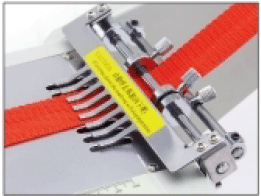
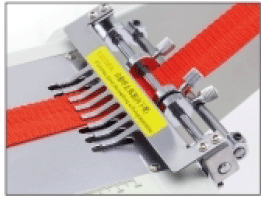
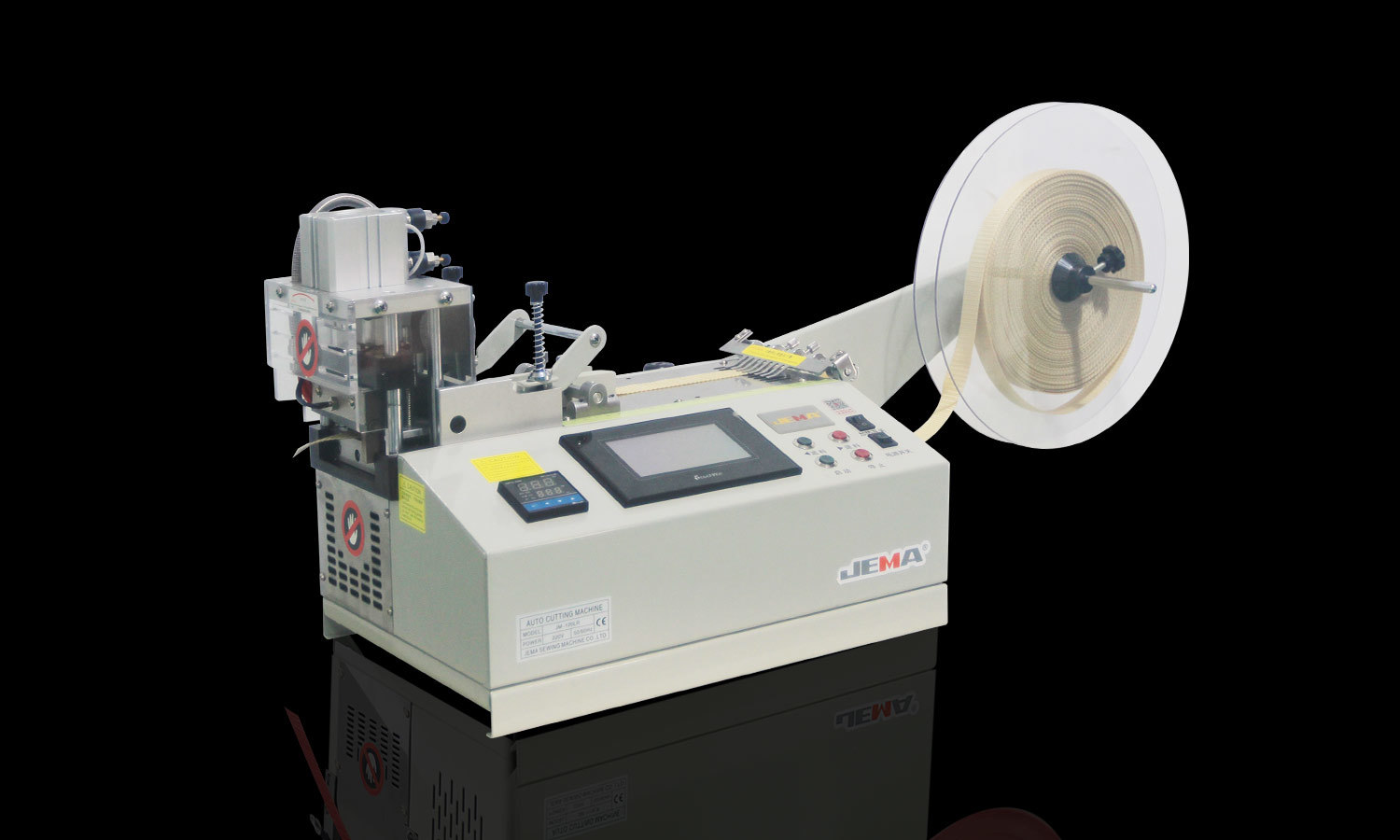
Tape cutting looks simple from outside, although material behavior can change the process considerably. A narrow strip may stretch during feeding, curl near the blade, move sideways or fray after separation. Such changes are closely related to the structure of the tape rather than the cutting equipment alone.
Elastic materials are especially sensitive to tension. Pulling a stretchable tape before cutting can change its temporary length, so a cut made under tension may not represent its natural length after release. Nylon tape usually holds its shape more firmly, although woven construction can create another concern around the cut edge.
An Elastic Tape Cutting Machine therefore needs to work with the movement characteristics of flexible material. A Nylon Tape Cutting Machine has to deal with factors such as weave, thickness, surface friction and edge stability.
Material selection can start with several basic questions:
Answering such questions provides a more useful basis for process planning than relying only on the material name.
Elastic tape can be made from stretchable textile structures, rubber-containing materials or blends that combine flexible fibers with elastic components. Different constructions can behave quite differently during feeding.
A narrow elastic band may stretch easily under light pulling force, while a wider textile strip may resist deformation to a greater degree. Surface texture also affects how rollers or guides interact with the material.
Some common examples include:
Cutting behavior depends on more than elasticity alone. Recovery after stretching is also important. Material that quickly returns toward its original shape may move differently from material that remains slightly elongated after tension is removed.
A machine setup should therefore avoid treating every flexible tape in the same way. Feeding pressure, alignment and cutting movement need to suit the actual construction.
Nylon tape is often found in woven narrow strips, webbing, ribbons and flexible bands used for products that require a combination of flexibility and shape retention.
Woven nylon has an internal structure made from interlaced fibers. Once cut, those fibers may loosen around the edge, particularly when the weave is relatively open or the cut is made without suitable edge treatment.
Smooth nylon ribbon behaves differently. A flatter surface can move through guides in another way, while a thicker woven strip may require more controlled contact during feeding.
Typical material forms include:
Thickness also affects cutting resistance. A thin ribbon can shift or curl more easily, while thicker webbing may require greater cutting force and more stable support.
For a Nylon Tape Cutting Machine, understanding the weave and thickness can be as important as identifying the polymer used in the tape.
Stretch introduces a moving target during cutting. When tape is pulled through a feeding system, its length can change before reaching the blade. Releasing tension afterward may cause the finished piece to shorten.
A simple example is a stretchable strip held tightly between two points. Its measured length under tension is not necessarily the same as its relaxed length. Cutting while stretched can therefore create pieces that differ from the intended size after release.
Stable feeding helps reduce such variation. Excessive pulling should be avoided, while insufficient control can allow wrinkles or sideways movement.
Useful process considerations include:
For elastic material, cutting force is only one part of the process. How the tape arrives at the cutting point can have an equally important effect on the finished piece.
Nylon generally resists stretching more than elastic tape, although woven construction introduces its own challenges. Cutting separates the interlaced fibers, leaving an exposed edge that may loosen over time.
Edge condition can depend on weave density, tape thickness, blade condition and cutting method. A clean mechanical cut may leave a different edge from a heated separation method.
Thin nylon ribbon may curl after cutting because of internal tension within the material. Thicker webbing can remain relatively stable while requiring more force during separation.
Feeding pressure also needs attention. Too much pressure may flatten or distort flexible material, while too little control can allow sideways movement.
A suitable setup should therefore consider both the material's resistance to cutting and its behavior immediately after separation.
Cutting methods can be divided broadly into mechanical separation and heat-assisted separation. Choice depends on material composition and the required edge condition.
A heated cutting method can soften certain synthetic fibers near the cut, allowing fibers to bond together around the edge. Such treatment can reduce loose fibers on suitable materials.
Elastic materials require additional care because heat may affect stretch characteristics, surface texture or appearance. A temperature that works for one material may produce an unwanted change in another.
Mechanical cutting avoids direct heat exposure, making it useful where maintaining the original surface characteristics matters. Woven nylon, however, may require another approach when loose fibers around the edge need to be controlled.
| Material Characteristic | Mechanical Cutting | Heat Assisted Cutting |
|---|---|---|
| Stretchable textile | Limits heat-related changes | Requires careful heat control |
| Woven nylon | Can leave loose fibers | May help stabilize the edge |
| Thin ribbon | May shift during cutting | Can alter surface appearance |
| Thick webbing | Requires stable cutting force | Needs suitable heat exposure |
No cutting method should be selected only from the machine category. Actual tape composition and desired edge condition need to be considered together.
Thickness changes how tape reacts when pressure is applied. Thin material can move easily, fold or curl near a blade, while thicker webbing can require greater cutting force and stronger support.
Elasticity adds another variable. A thick elastic tape can resist cutting while still stretching during feeding, creating two different concerns within the same operation.
Blade movement, feeding pressure and material support therefore need to correspond with the tape structure. Adjustments made for a thin ribbon may not suit a dense webbing strip.
Regular inspection of cut edges can help reveal whether a setting needs adjustment. Uneven edges, partial cuts or excessive deformation may indicate that the material and cutting conditions are not well matched.
Material thickness should consequently be treated as a process factor rather than a simple product specification.
Surface texture influences friction between tape and feeding components. Smooth material may slide more easily, while rough woven surfaces can create greater contact with guides and rollers.
A loose weave presents another issue. Cutting separates fibers that were previously held together, so the edge may become fuzzy or begin to unravel.
Coated surfaces can also behave differently from untreated textile surfaces. Coating may change friction, flexibility and response to heat.
For production planning, several characteristics deserve attention:
Such details help explain why two tapes made from similar base materials can still require different cutting approaches.
Cutting quality cannot be judged only by whether a tape has been separated into individual pieces. Edge condition, length stability, surface appearance and material shape after release can all reveal how well a cutting process matches the tape.
Elastic material may contract after cutting when tension disappears. A piece that looked correctly positioned during feeding can become shorter or slightly distorted afterward. For that reason, finished pieces need to be checked in a relaxed state rather than judged only while material remains under tension.
Nylon tape creates another set of concerns. Woven edges can loosen after cutting, especially when fibers are exposed or the weave becomes disturbed. A clean-looking cut may still require attention when the finished product will experience repeated pulling or bending.
Several quality points can be considered together:
For an Elastic Tape Cutting Machine, dimensional checks should account for natural recovery after stretching. A Nylon Tape Cutting Machine may need greater attention to edge separation and fiber behavior.
Feeding determines how material reaches the cutting area. A tape that moves unevenly can create inconsistent lengths even when the cutting movement itself remains stable.
Elastic tape needs particular attention because pulling force changes its temporary length. Excessive tension may stretch the material, while sudden release can cause movement before or after cutting.
Nylon tape is less sensitive to stretch, although it can still shift sideways when the feeding path is not properly aligned. Woven surfaces may also interact differently with rollers and guides than smooth ribbon.
A controlled feeding path can involve:
Alignment becomes especially important with narrow tapes. A small sideways movement can affect where the blade meets the material, leaving an edge that is not square.
Different materials may therefore share a cutting platform while requiring different feeding adjustments. Material behavior should determine the setting rather than applying one arrangement to every tape.
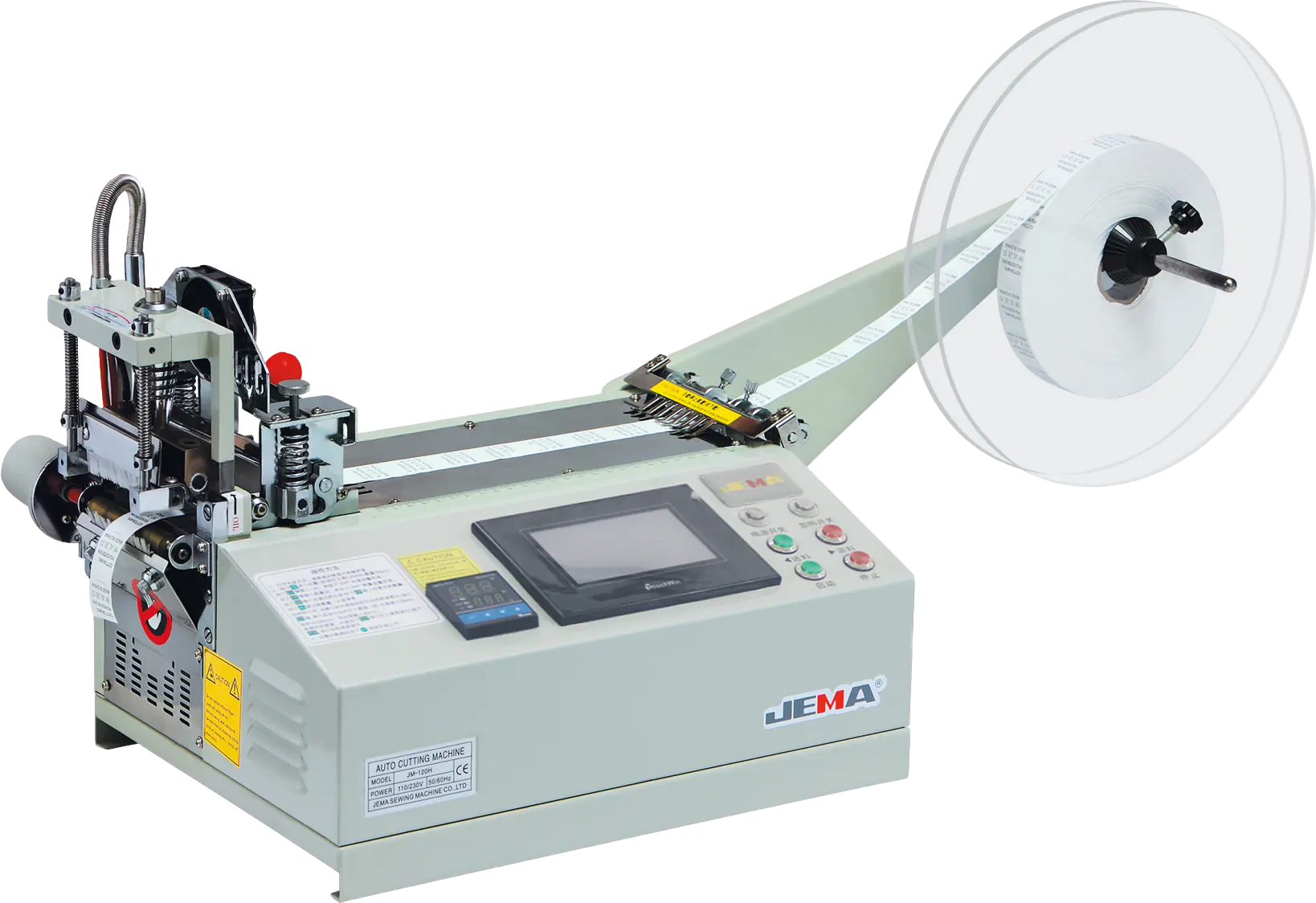
Machine selection should begin with material properties. A tape may look simple from outside while containing several characteristics that influence processing.
Elasticity, thickness, weave, surface treatment and edge requirements all need consideration. Heat sensitivity can also affect the choice between mechanical and heat-assisted cutting.
A practical assessment can follow a simple sequence:
Identify the material → check stretch and structure → examine thickness → consider edge requirements → select a cutting method → test the result
For elastic tape, attention usually centers on tension, recovery and dimensional stability. For nylon, weave structure, fraying and heat response may receive greater attention.
Machine compatibility also involves feeding components. A tape that slips easily may need different contact conditions from one with a textured surface. Excessive pressure can deform softer materials, while weak contact may allow movement.
Process planning works better when the cutting equipment is treated as part of a complete material-handling system rather than as an isolated blade mechanism.
Small-scale testing can reveal problems that are difficult to predict from material descriptions alone. A tape may respond differently once it passes through actual guides, rollers and cutting areas.
Testing can focus on the finished edge and the material's behavior before and after cutting. Elastic tape should be observed after tension is released, while nylon should be checked for loose fibers and edge stability.
| Test Point | Elastic Tape | Nylon Tape |
|---|---|---|
| Feeding | Stretch and movement | Alignment and surface friction |
| Cutting | Length stability | Edge separation |
| After release | Recovery and contraction | Shape retention |
| Edge | Clean separation | Fraying or loose fibers |
| Surface | Heat or pressure marks | Heat or pressure marks |
Testing can also compare different cutting approaches. A mechanical method may preserve the original surface of a heat-sensitive tape, while controlled heat may help manage loose fibers on a suitable synthetic material.
Material should be tested under conditions close to normal processing. Results from loose hand cutting may not represent behavior inside equipment because feeding tension and support are different.
Material choice affects nearly every stage of tape cutting. A flexible elastic strip needs stable tension management, while woven nylon can require more attention around edge control. Neither material should be evaluated only by its name.
A useful process plan can consider five areas:
Material Structure
Fiber arrangement, elasticity and surface texture determine how tape moves through the equipment.
Cutting Method
Mechanical and heat-assisted methods create different edge conditions. Heat-sensitive materials need particular care.
Feeding Arrangement
Guides, rollers and supports need to keep the tape aligned without creating unnecessary deformation.
Finished Edge
End use determines whether a soft cut edge, sealed edge or mechanically separated edge is appropriate.
Inspection
Checking finished pieces can reveal stretching, fraying, curling or other changes that occur after separation.
Such factors also explain why one machine setting cannot always be transferred from one material to another. Even tapes with similar width can behave differently because their internal structure and surface condition are not identical.
Elastic and nylon materials share some basic cutting requirements, including stable feeding, accurate positioning and suitable blade contact. Their differences become clearer when tension and edge behavior are considered.
| Processing Factor | Elastic Tape | Nylon Tape |
|---|---|---|
| Stretch during feeding | Important concern | Usually less significant |
| Recovery after cutting | Can change finished length | Usually limited |
| Woven edge | Depends on construction | Common consideration |
| Heat sensitivity | Needs careful assessment | Depends on material structure |
| Feeding control | Tension is important | Alignment and friction matter |
| Edge treatment | Depends on end use | Fraying control may matter |
A shared cutting system can sometimes handle both material groups when appropriate adjustments are available. Compatibility still needs to be confirmed through actual material testing.
Rather than assigning every elastic tape to one cutting method or every nylon tape to another, process planning should focus on the physical behavior of each material.
Tape cutting involves more than moving a blade through a narrow strip. Material structure determines how feeding, cutting and finished dimensions interact.
Elastic materials bring stretch and recovery into the process, making tension control an important part of length management. Nylon materials bring different concerns, particularly woven structure, edge behavior and resistance to deformation.
A suitable setup can therefore be built around a few practical questions:
Answering those questions creates a clearer connection between material properties and equipment adjustment.
For an Elastic Tape Cutting Machine, stable feeding and controlled tension can help reduce distortion during processing. For a Nylon Tape Cutting Machine, attention may shift toward weave structure, cutting resistance and edge condition.
Material testing remains useful because actual tape behavior can differ from general expectations. A suitable cutting process is built around the material in hand, the required finished condition and the way tape moves through the equipment.
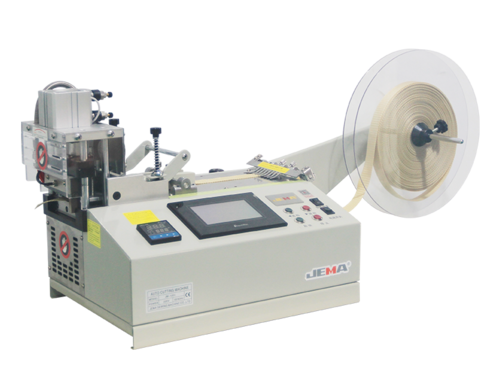
The JM-120H Computer Tape Cutting Machine (Hot Knife) is a solid choice when you need clean cuts wit...
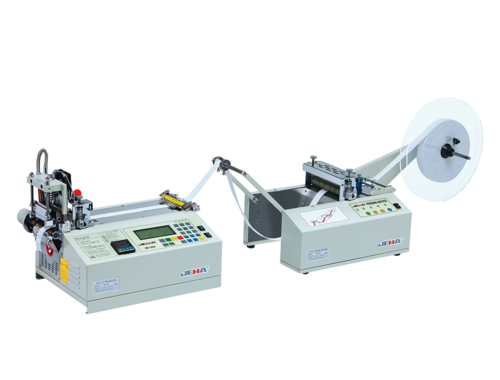
Fully automatic cutting, simple operation, wide application range and high cutting quality. ...
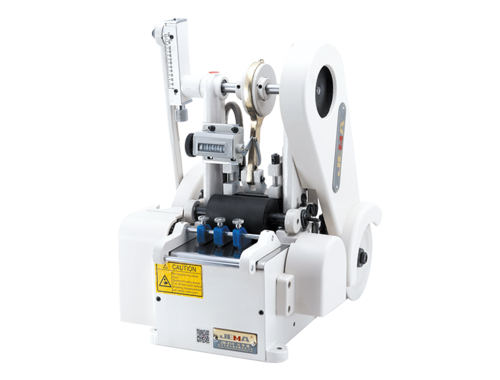
Features It is suitable for shoes, hats, bags, and supporting equipment in clothing produ...
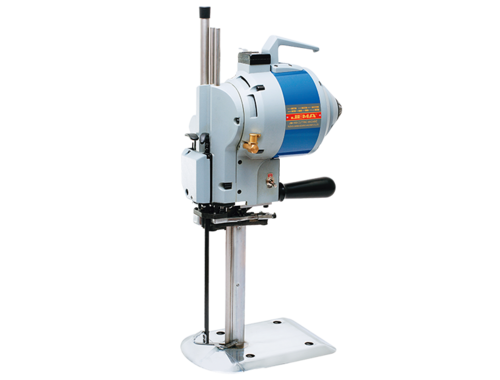
Features The JM-3D/3/103 electric cutting machine is compatible with KMCK8-EU Eastman Ele...

25 Years specializing in the production of various cutting machines.
©2021 Taizhou JEMA Sewing Machine Co., Ltd. Custom Elastic Tape Cutting Machine Manufacturers


 +86-576-88177528
 +86-576-88172167
 367# Guangxing Road, Xiachen Street, Jiaojiang District, Taizhou City, China.