

 EN
EN  英语
英语 中文简体
中文简体 西班牙语
西班牙语 越南语
越南语 葡萄牙语
葡萄牙语 土耳其语
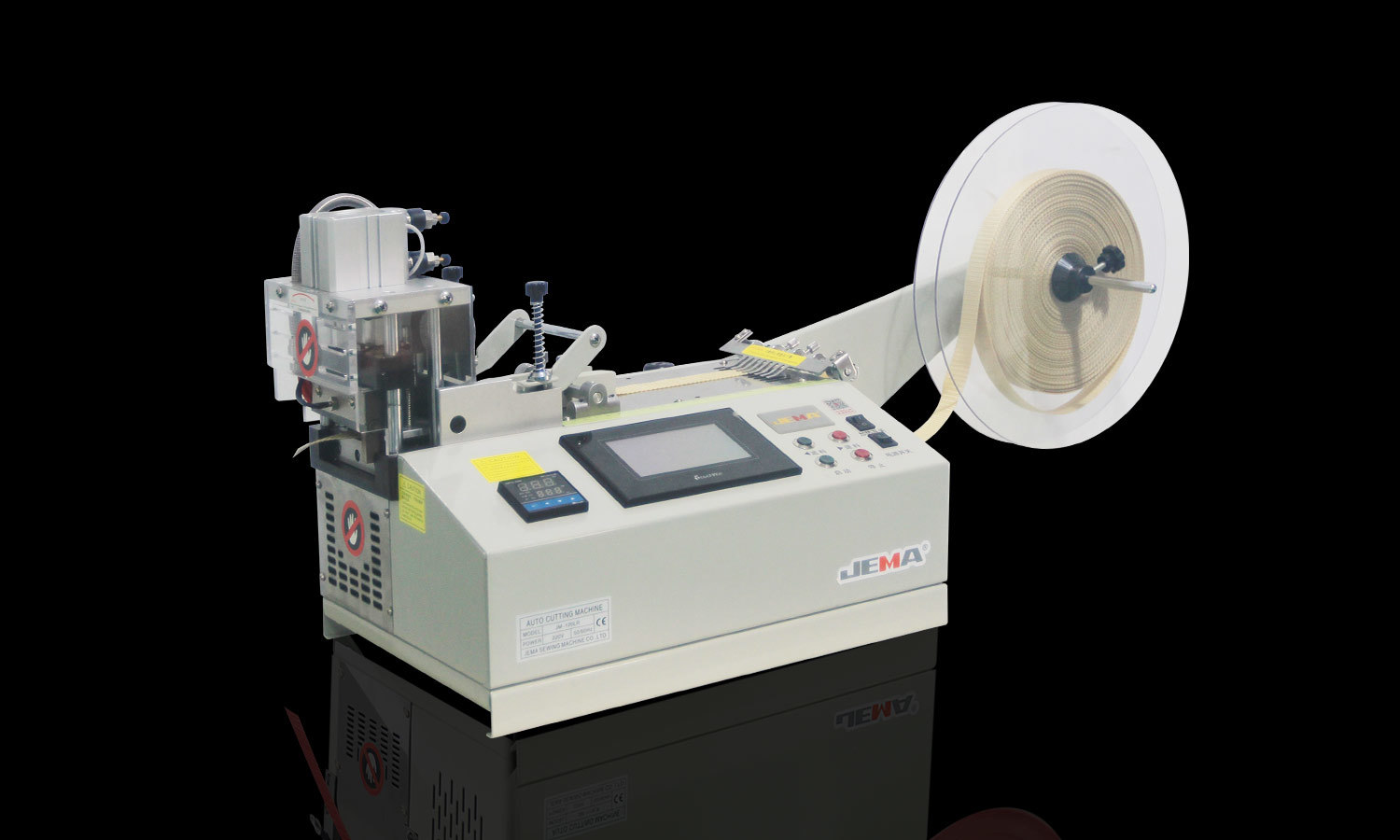
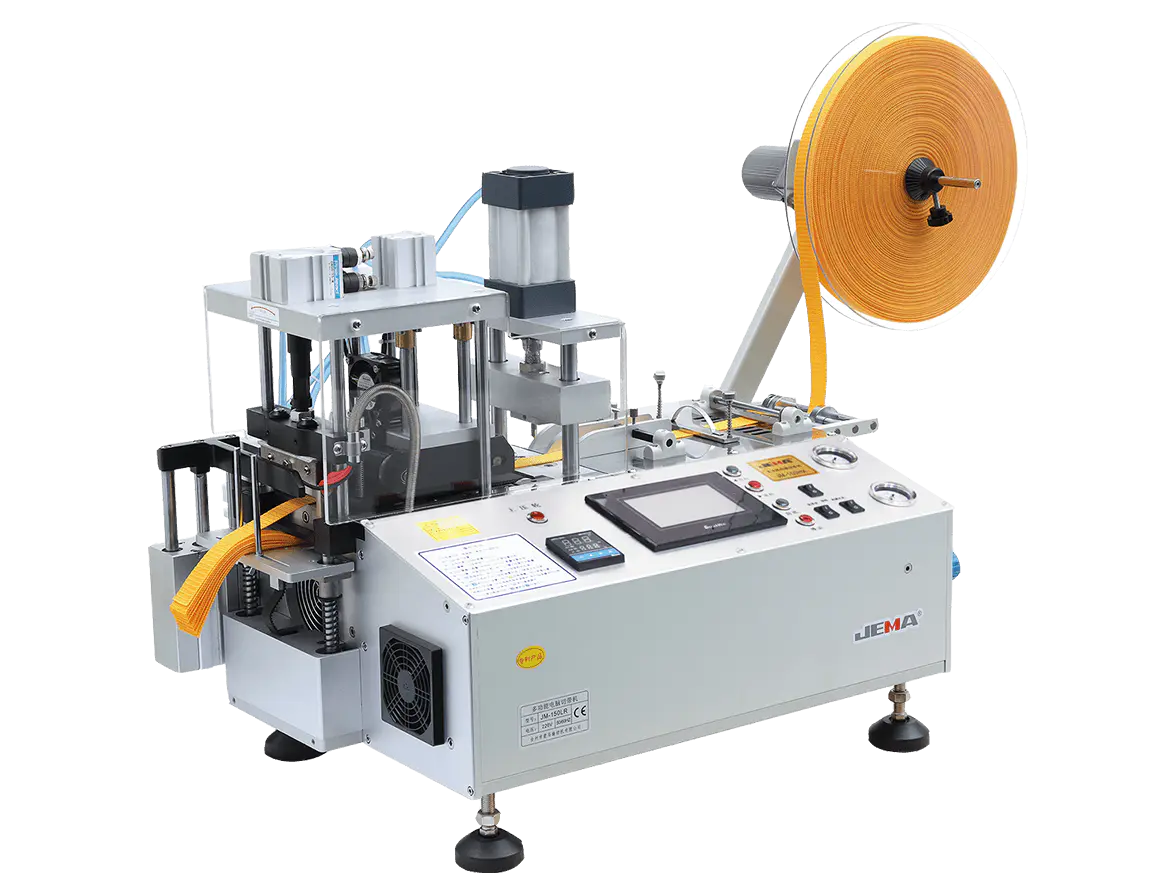
土耳其语Multifunctional computer tape cutting machine (corner) JM-150HX
Fully automatic cutting, simple operation, wide application range, high cutting quality, smooth c...
Cutting material is not simply a matter of moving a blade through a roll or sheet. Material behavior changes how a cutting system needs to hold, move, and separate it. Adhesive tape provides a clear example because its surface can stick to nearby parts during cutting, while fabric usually behaves more like a flexible sheet.
A roll of tape contains more than a supporting layer. Its surface may include a sticky layer that remains active during handling. When a blade touches the material, contact can therefore occur between the cutting edge, tape surface, and nearby machine parts. A fabric cutter faces a different situation because ordinary fabric does not normally attach itself to the blade or work surface in the same way.
Flexibility also matters. Tape can bend, stretch, fold, or move away from its intended position when pulled. Fabric can also move, though its behavior is strongly influenced by weave, thickness, softness, and how many layers are placed together.
Such differences change several parts of machine design:
An Adhesive Tape Cutting Machine therefore needs to deal with both the backing material and its sticky surface. A fabric cutter generally gives greater attention to keeping soft material flat and correctly positioned during cutting.
Material behavior provides the starting point for equipment design. Trying to apply one cutting method to every flexible material can create problems because similar‑looking materials may respond very differently once a blade begins to move.
Adhesive changes cutting in a simple yet important way: contact can continue after the blade has passed through the material.
When a blade cuts ordinary fabric, the separated fibers usually move away from the cutting path. Adhesive tape may behave differently. A sticky layer can remain attached to the blade, cutting surface, guide, or nearby material. Repeated cutting can gradually change how those surfaces interact with new tape.
Such contact may affect the smooth movement of a roll. A small amount of residue can attract more material, making the affected area harder to clean. During repeated operation, residue may also influence where the tape sits before the next cut.
Cutting therefore needs to consider more than separation. A suitable process should also control contact around the cutting area.
For example, the blade needs enough freedom to complete a cut without dragging the tape along with it. Nearby surfaces need to avoid unnecessary contact with exposed adhesive. Material guides should help keep the roll in position without pressing too heavily against a sticky surface.
Cleaning also becomes part of ordinary machine care. A blade that looks usable may still behave differently when adhesive residue has accumulated around its edge. Regular inspection can help identify such changes before they affect later cuts.
Fabric cutting generally has a different maintenance concern. Loose fibers, dust, and small pieces of material may collect around moving areas, yet adhesive buildup is not normally the central issue.
Feeding determines how material reaches the cutting area. For tape, stable movement is particularly important because pulling force can change the shape and position of a flexible roll.
An Adhesive Tape Cutting Machine needs to move tape forward while limiting unwanted stretching, twisting, and sideways movement. Excessive pulling may narrow or distort a soft tape, while insufficient control can allow the roll to wander away from its intended path.
A steady feeding process can be supported through simple design choices:
Fabric feeding has another set of concerns. Fabric may need to remain flat as it moves, especially when several layers are involved. Wrinkles, folds, and shifting layers can change the shape of a finished piece.
For a Fully Automatic Fabric Cutting Machine, feeding and positioning often work around soft sheets that can spread across a larger working area. Tape cutting usually involves narrower material moving from a roll toward a specific cutting point.
Both systems need controlled movement, yet the reason for that control is different. Fabric needs help staying flat and aligned. Adhesive tape needs help staying aligned without allowing its sticky surface to interfere with nearby parts.
Blade movement has a direct effect on cut quality. A blade passing through adhesive tape must separate several layers while avoiding unnecessary dragging across the sticky surface.
A simple downward movement may appear sufficient, though cutting behavior depends on tape thickness, flexibility, backing structure, and adhesive condition. Softer tape may move under pressure, while a firmer backing may resist the blade before suddenly separating.
Blade contact therefore needs to remain controlled. Too much pressure can push flexible tape away from its intended position. Too little contact may leave part of the material attached.
Blade condition also matters. A damaged or poorly maintained cutting edge can create uneven contact, requiring greater force during separation. Greater force may then increase movement around the cutting point.
A useful cutting process aims for a clean separation with limited disturbance to surrounding material.
Fabric presents another type of blade challenge. A blade may need to pass through fibers or several layers while following a straight or curved path. Material movement becomes important, though adhesive buildup is usually not part of the same process.
For tape, blade design and surface condition need to be considered together. A cutting edge does not operate alone; its performance depends on how material reaches it and what happens around it after each cut.
Material must remain in a predictable position while cutting takes place. Adhesive tape can shift when tension changes, especially when a roll is pulled forward and then stopped for cutting.
Holding the tape firmly enough to maintain position can improve consistency, though excessive pressure may create another problem by pressing adhesive against nearby surfaces. A suitable arrangement therefore needs balance between stability and freedom of movement.
The cutting area should remain clear enough for the blade to move without unnecessary interference. Guides can help maintain alignment, while the feeding path can reduce sideways movement before the blade reaches the material.
Fabric requires a different holding strategy. A Fully Automatic Fabric Cutting Machine may need to keep a soft sheet flat across a broader surface. Air movement, folds, fabric tension, and movement between layers can all affect positioning.
| Material | Main Movement Concern | Cutting Focus |
|---|---|---|
| Adhesive Tape | Stretching and Side Movement | Clean Separation |
| Fabric | Folding and Layer Movement | Stable Cutting Path |
| Adhesive Tape | Sticky Surface Contact | Blade and Surface Control |
| Fabric | Soft Material Shifting | Flat Material Handling |
Holding methods should therefore follow material behavior rather than equipment appearance. A machine designed around fabric movement may not provide the same conditions needed for adhesive tape.
For tape, stable positioning needs to work alongside clean surface contact. Keeping material in place is useful only when the holding system does not create new adhesion problems.
A Fully Automatic Fabric Cutting Machine usually works around flexible textile material that needs to be spread, aligned, and moved through a planned cutting path. Fabric may contain several layers, and each layer can move slightly during cutting.
Such conditions place emphasis on keeping material flat and maintaining alignment. A cutting system may need to follow different shapes while preventing unwanted folds from changing the final form.
Adhesive tape has a narrower cutting area in many applications, with sticky contact creating a different production concern. Rather than focusing mainly on spreading a soft sheet, equipment needs to control roll movement and prevent adhesive from affecting nearby surfaces.
A fabric cutter can therefore be designed around questions such as:
Tape cutting raises different questions:
Both approaches rely on controlled feeding and cutting, yet their priorities come from different material characteristics. That distinction explains why an Adhesive Tape Cutting Machine cannot simply copy a fabric cutting arrangement and expect identical results.
Blade contact becomes a maintenance issue when adhesive remains near the cutting edge. During repeated operation, a small amount of residue may collect around the blade or nearby surfaces, changing how fresh tape moves through the cutting area.
A clean blade can move through the material with less interference. Once adhesive begins to build up, tape may cling to the cutting edge or fail to separate as expected. Repeated contact can also make cleaning more difficult when residue has already hardened.
For an Adhesive Tape Cutting Machine, blade care therefore needs to consider both cutting condition and surface condition. Inspection can focus on several simple points:
Cleaning methods should suit the machine and material. Rough handling around a cutting edge can damage the component, while unsuitable cleaning materials may leave additional residue.
Blade maintenance also connects with feeding. A clean cutting area helps tape move along its intended path, while a contaminated area can create additional resistance. Material alignment may then become harder to maintain.
Fabric equipment has a different maintenance pattern. Loose fibers and dust can gather around cutting components, so cleaning remains important, yet adhesive buildup does not normally create the same type of contact problem.
Automation changes how feeding, positioning, and cutting work together. A machine does not simply perform the cutting movement repeatedly; it needs to maintain a controlled sequence from material entry to finished piece removal.
For adhesive tape, automatic operation needs to account for roll movement and surface contact. Tape must reach the cutting area in a stable position, remain aligned during the cutting action, and leave the area without catching on nearby parts.
A controlled sequence may involve:
Feeding → Positioning → Holding → Cutting → Separation → Release
Each stage can influence the next. Uneven feeding may change the cutting position. Poor holding can allow tape to move when the blade enters. A difficult separation can leave part of the tape attached to the roll or cutting area.
Automatic fabric cutting follows another path. A Fully Automatic Fabric Cutting Machine may coordinate material spreading, positioning, path movement, and cutting across a wider surface. Automation helps maintain the relationship between material placement and the planned cutting route.
For fabric, automation is often connected with repeated cutting shapes and organized material handling. For adhesive tape, the control focus is more closely connected with roll feeding, cutting position, adhesive contact, and finished piece release.
Automation should therefore be viewed as coordination rather than simply machine speed. A suitable automated process follows the physical behavior of the material being handled.
Choosing cutting equipment starts with the material rather than the machine name. Similar flexible materials may require different feeding, holding, and blade arrangements because their surfaces respond differently during cutting.
For adhesive tape, attention can be placed on:
For fabric, different questions become more important:
| Material Feature | Adhesive Tape Cutting | Fabric Cutting |
|---|---|---|
| Surface | Adhesive Layer | Textile Surface |
| Main Concern | Adhesion During Cutting | Material Movement |
| Feeding | Controlled Tape Position | Smooth Fabric Feeding |
| Blade Contact | Adhesive and Base Material | Fabric Layers |
| Maintenance | Blade Cleaning | Blade Condition |
| Automation Focus | Feeding and Cutting Control | Layout and Cutting Path |
A machine intended for adhesive tape needs to work with the sticky layer rather than treating tape as an ordinary flexible sheet. Equipment used for fabric needs to account for softness, spreading, and movement between layers.
Material thickness also matters. Different backing materials can react differently under blade pressure, while fabric structure can vary between soft woven materials and thicker textile sheets. A cutting arrangement should therefore leave room for material‑specific adjustment.
Material behavior provides a practical starting point for cutting equipment design. Adhesive tape and fabric may both arrive in rolls or flexible sheets, yet their response to pressure, movement, and blade contact can be quite different.
An Adhesive Tape Cutting Machine needs to manage the relationship between a flexible backing and a sticky surface. Feeding must remain controlled, the blade must separate material without unnecessary dragging, and nearby surfaces need attention because adhesive residue can affect repeated operation.
A Fully Automatic Fabric Cutting Machine works around another set of conditions. Fabric may shift, fold, stretch, or move between layers, making spreading and positioning important parts of the cutting process.
Several design choices connect directly with those differences:
Adhesive Tape
Material alignment, surface contact, blade condition, feeding control, and residue management work together.
Fabric
Flatness, layer stability, cutting path, material spreading, and edge positioning receive greater attention.
Neither process can be reduced to the blade alone. A cutting edge interacts with the material, while feeding and holding determine how that material reaches the cutting area. Maintenance then affects how consistently the same process can continue.
For that reason, equipment design needs to begin with how a material behaves during actual cutting. Adhesive tape brings concerns around stickiness and controlled separation, while fabric brings concerns around flexibility and movement. Once those differences are recognized, feeding, holding, blade contact, automation, and maintenance can be arranged around the material rather than forced into one common cutting method.
.png?imageView2/2/w/500/h/500/format/jp2/q/100 "Multifunctional computer tape cutting machine (corner) JM-150HX")
Fully automatic cutting, simple operation, wide application range, high cutting quality, smooth c...
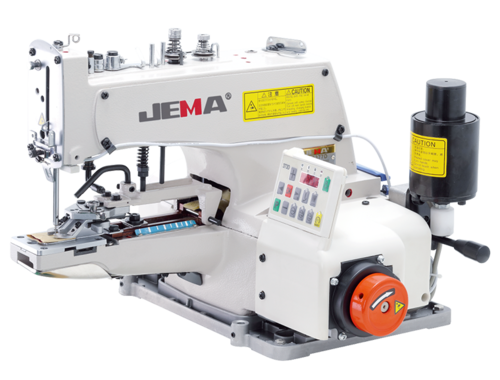
Features Quickly adapt to a variety of sewing requirements. Corresponding to the changes in sewing...
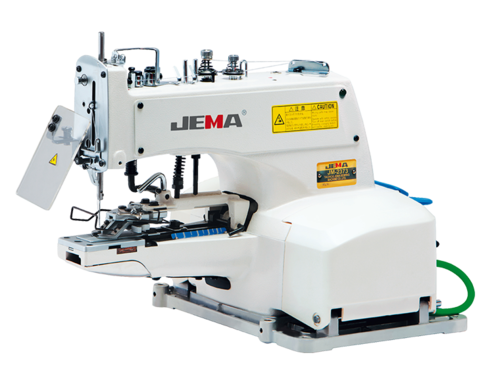
Features Quickly adapt to a variety of sewing requirements. Corresponding to the changes in sewing...
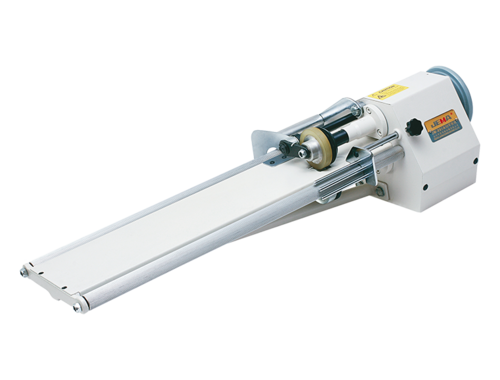
special function: This sturdy machine is completely used for the manufacture of braided belts....

25 Years specializing in the production of various cutting machines.
©2021 Taizhou JEMA Sewing Machine Co., Ltd. Custom Elastic Tape Cutting Machine Manufacturers


 +86-576-88177528
 +86-576-88172167
 367# Guangxing Road, Xiachen Street, Jiaojiang District, Taizhou City, China.