

 EN
EN  英语
英语 中文简体
中文简体 西班牙语
西班牙语 越南语
越南语 葡萄牙语
葡萄牙语 土耳其语
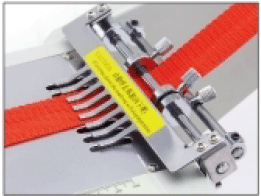
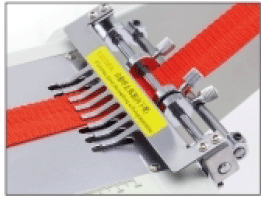
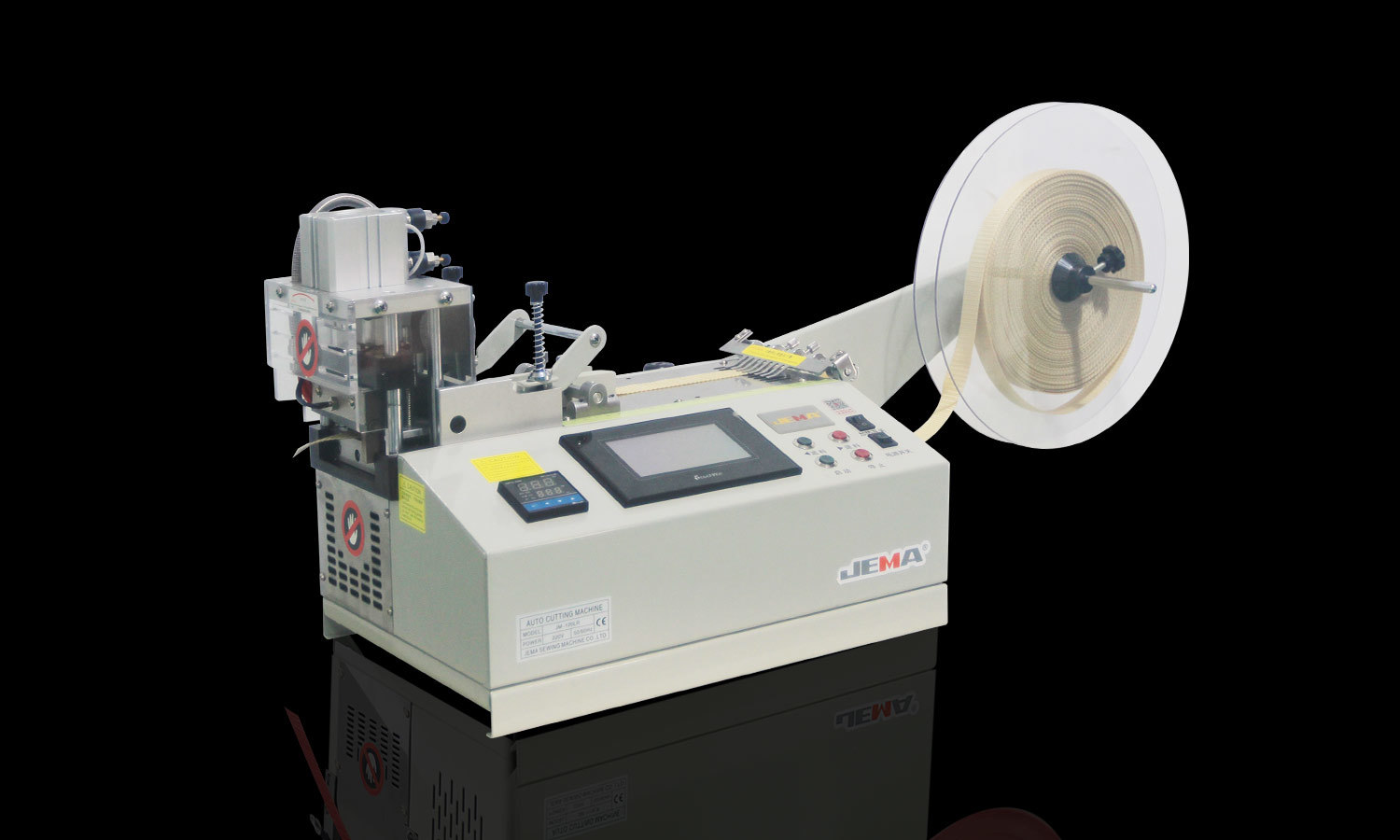
土耳其语Multifunctional computer tape cutting machine (cold, hot) JM-150LR
Fully automatic cutting, simple operation, wide application range, high cutting quality, smooth c...
A Fully Automatic Fabric Cutting Machine can turn fabric into precise pieces quickly, yet cutting accuracy usually begins earlier than the moment the blade starts moving. Fabric state, table surface, feeding direction, and the condition of the working area all shape what happens during the cutting cycle. Once one part of the setup stays uneven, the machine tends to carry that irregularity through the rest of the process.
In factory work, fabric is rarely in a resting state. Roll material may keep internal tension from winding. Folded fabric may hold pressure marks. Layered stacks may shift slightly during handling. Small differences like these often look harmless, though they become visible once the machine starts feeding and cutting continuously.
A stable start usually comes from a stable base. When the material sits flat and the workspace stays clear, movement becomes easier to control. When the material is twisted, crowded, or loosely placed, the cutting process has more chance of drifting away from the intended path.
Practical effects often seen in daily production:
Preparation is not only a setup task. It is part of the cutting result.
Workspace arrangement has a direct effect on how a Fully Automatic Fabric Cutting Machine behaves during continuous use. A crowded floor area can create small interruptions in material movement, while a more organized layout gives the fabric room to move into position without extra friction or accidental contact.
Factories often separate the working area into a few clear sections. Raw fabric stays in one zone, cutting takes place in another, and finished material moves away from the machine path. That separation reduces the chance of fabric being disturbed during feeding or collection.
A stable workspace often includes:
A simple industrial room layout often works better than a tightly packed one because fabric needs space to remain flat and controlled.
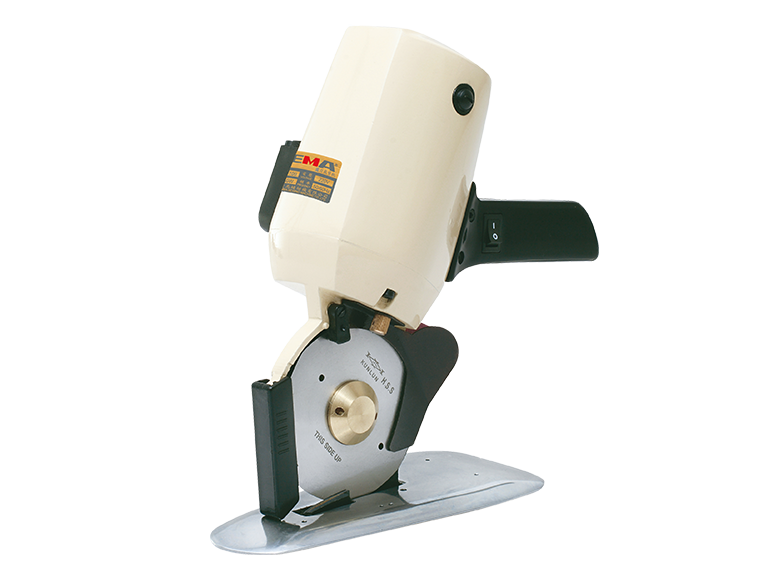
Fabric condition affects cutting behavior directly. Even with strong machine control, uneven fabric can still influence accuracy. A Fully Automatic Fabric Cutting Machine follows the material it receives, so the fabric itself needs to be ready before processing begins.
Fabric may arrive in rolls, stacked sheets, folded bundles, or layered pieces. Each form carries its own movement tendency. Rolled fabric often holds tension from winding. Folded fabric may keep crease pressure. Layered fabric can shift between sheets when it is not arranged carefully.
Preparation often begins with laying the fabric flat and allowing it to settle. That step reduces hidden pull inside the material. When the fabric relaxes, feeding becomes steadier and the blade follows a more predictable path.
Common preparation actions include:
The difference between prepared and unprepared fabric becomes easier to see during long runs. Flat material tends to stay close to the intended line. Uneven material may drift slightly and create edge variation across the batch.
| Fabric Condition | Movement During Cutting | Resulting Stability |
|---|---|---|
| Flat and relaxed | Very small shift | Stable edge output |
| Slight tension | Mild drift over time | Light alignment change |
| Folded or uneven | Repeated movement | Irregular cutting path |
Calibration gives the machine its working reference. A Fully Automatic Fabric Cutting Machine may look ready from the outside, yet small alignment differences inside the system can change how the blade travels across fabric.
Calibration usually checks the relationship between the cutting head, the working surface, and the starting point of movement. When these parts match well, the machine follows the planned layout with less variation. When a small mismatch remains, the cutting path may slowly move away from the intended position.
In factory conditions, calibration is not something to check once and forget. Floor vibration, temperature changes, and repeated use can affect alignment little by little. That is why setup checks often happen before each production batch or each work shift.
Points usually checked before operation:
Small calibration errors may not show up right away. They often become visible after repeated cycles, when a slight offset appears in many pieces rather than one.
Safety preparation is part of keeping the machine and workers separated from avoidable risk. Even with automated movement, a Fully Automatic Fabric Cutting Machine still works inside a live production area where fabric, tools, and people may all be close to the working zone.
The area around the machine should stay open and controlled. Loose scraps, tools left near the platform, or fabric bundles placed too close to moving parts can interfere with the process.
A practical safety check usually includes:
Safety is not only about avoiding accidents. A clear and stable area also helps the machine run more smoothly because unnecessary disturbance is removed from the working space.
The control system tells the Fully Automatic Fabric Cutting Machine how to move, where to start, and how to follow the pattern. When the settings match the fabric and the production task, operation tends to stay steady. When the settings do not match the actual material condition, even a well-built machine may produce uneven results.
Before production begins, the system usually needs to match the real job in front of it. Fabric thickness, layered structure, cutting layout, and movement speed all influence how the machine should run.
Useful preparation steps often include:
During continuous operation, stable control settings help keep output close to the same shape across the batch. That stability matters in factory work because a small setting difference can affect many pieces in the same run.
A basic maintenance check helps the machine stay ready for work. Before a Fully Automatic Fabric Cutting Machine begins a new production cycle, cutting parts, guiding parts, and feeding parts should remain in usable condition.
Wear on the blade edge, residue on the cutting surface, or small resistance in feeding parts may not stop the machine at once. Over time, those small issues can change the quality of the cut or slow down the feeding process.
Common pre-use maintenance checks include:
Routine inspection often takes little time compared with the disruption caused by unstable production. In many factories, the goal is not to make every part , only to keep movement steady enough for the batch to run without avoidable interruptions.
Fabric behavior changes the moment it is placed on a cutting table, even before a Fully Automatic Fabric Cutting Machine begins movement. Some materials stay calm and flat with little adjustment, while others keep subtle internal tension that slowly releases during handling. Preparation steps usually shift according to these differences rather than following a single fixed pattern.
Light fabrics tend to react quickly to air movement and surface vibration, so placement needs a steadier surface and less disturbance around the table. Heavier fabrics remain more settled once placed, although feeding them into the system may require more controlled handling at the start. Elastic materials behave differently again, since slight stretching can appear during stacking or alignment.
In real production rooms, fabric type influences how operators set up the workspace:
Fabric that is not fully settled tends to shift during long runs, and that shift often appears as small changes in edge consistency rather than obvious movement.
Cutting systems supplied by an Ultrasonic Cutting Machine Manufacturer use vibration energy to separate fabric instead of relying on traditional blade pressure. Even though the cutting method is different, preparation before operation still decides how stable the result becomes during continuous use.
Ultrasonic cutting reacts closely to fabric surface condition. When layers are uneven or slightly lifted, vibration energy does not transfer evenly across the material. That difference may appear later as light variation along cut edges or inconsistent finishing in layered sections.
Before starting operation, attention is usually placed on simple but important conditions:
Unlike mechanical cutting, ultrasonic systems depend more on consistent contact between tool and material. Even small gaps or uneven stacking can influence how energy spreads through the fabric.
Conditions inside the workshop slowly influence how fabric behaves during operation. A Fully Automatic Fabric Cutting Machine may run under stable settings, yet fabric itself can still respond to surrounding air, temperature, and moisture changes.
Air movement in the room sometimes causes lightweight fabric edges to shift slightly before full fixation on the table. Humidity can change how fabric bends or holds shape. Temperature variation may affect how tightly or loosely material sits after placement.
Common environmental influences include:
These factors do not stop production, though they can slowly influence how stable fabric remains during long cycles. In many factories, keeping the cutting area consistent in environment helps reduce those small variations.
Preparation is often treated as a short setup step, yet its effect continues throughout the full production process. A Fully Automatic Fabric Cutting Machine depends on both mechanical accuracy and material stability working together across time.
When preparation is consistent, fabric moves through the system in a predictable way. Cutting paths remain closer to planned shapes, and feeding remains smoother during repeated cycles. When preparation is uneven, small shifts begin to appear and gradually affect output across the batch.
In daily factory practice, long term stability usually comes from repeated attention to basic conditions:
None of these steps is complex alone, yet together they reduce small disturbances that would otherwise build up during continuous operation.
A stable cutting process is rarely created in one moment. It forms through consistent preparation, repeated in the same way across every production cycle.
.png?imageView2/2/w/500/h/500/format/jp2/q/100 "Multifunctional computer tape cutting machine (cold, hot) JM-150LR")
Fully automatic cutting, simple operation, wide application range, high cutting quality, smooth c...
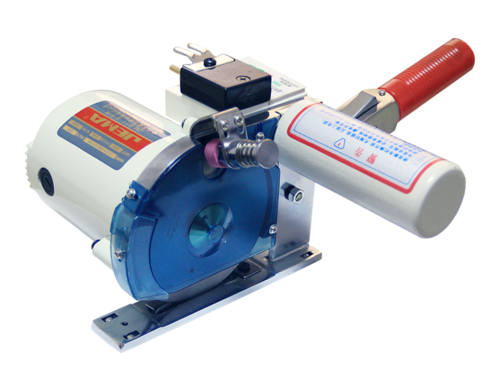
special function: Need to cut fabrics in large quantities, such as cotton, wool, and wire mesh...
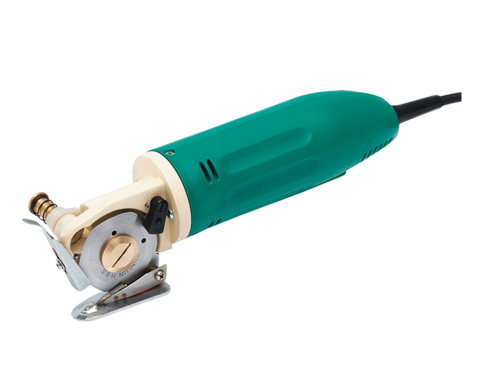
Features JM-6070 micro cutting machine is suitable for cutting curves, small arcs and sma...
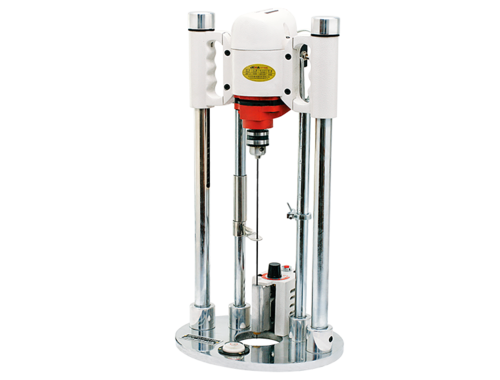
Features This machine is one of the indispensable special equipments in garment production. It...

25 Years specializing in the production of various cutting machines.
©2021 Taizhou JEMA Sewing Machine Co., Ltd. Custom Elastic Tape Cutting Machine Manufacturers


 +86-576-88177528
 +86-576-88172167
 367# Guangxing Road, Xiachen Street, Jiaojiang District, Taizhou City, China.