

 EN
EN  英语
英语 中文简体
中文简体 西班牙语
西班牙语 越南语
越南语 葡萄牙语
葡萄牙语 土耳其语
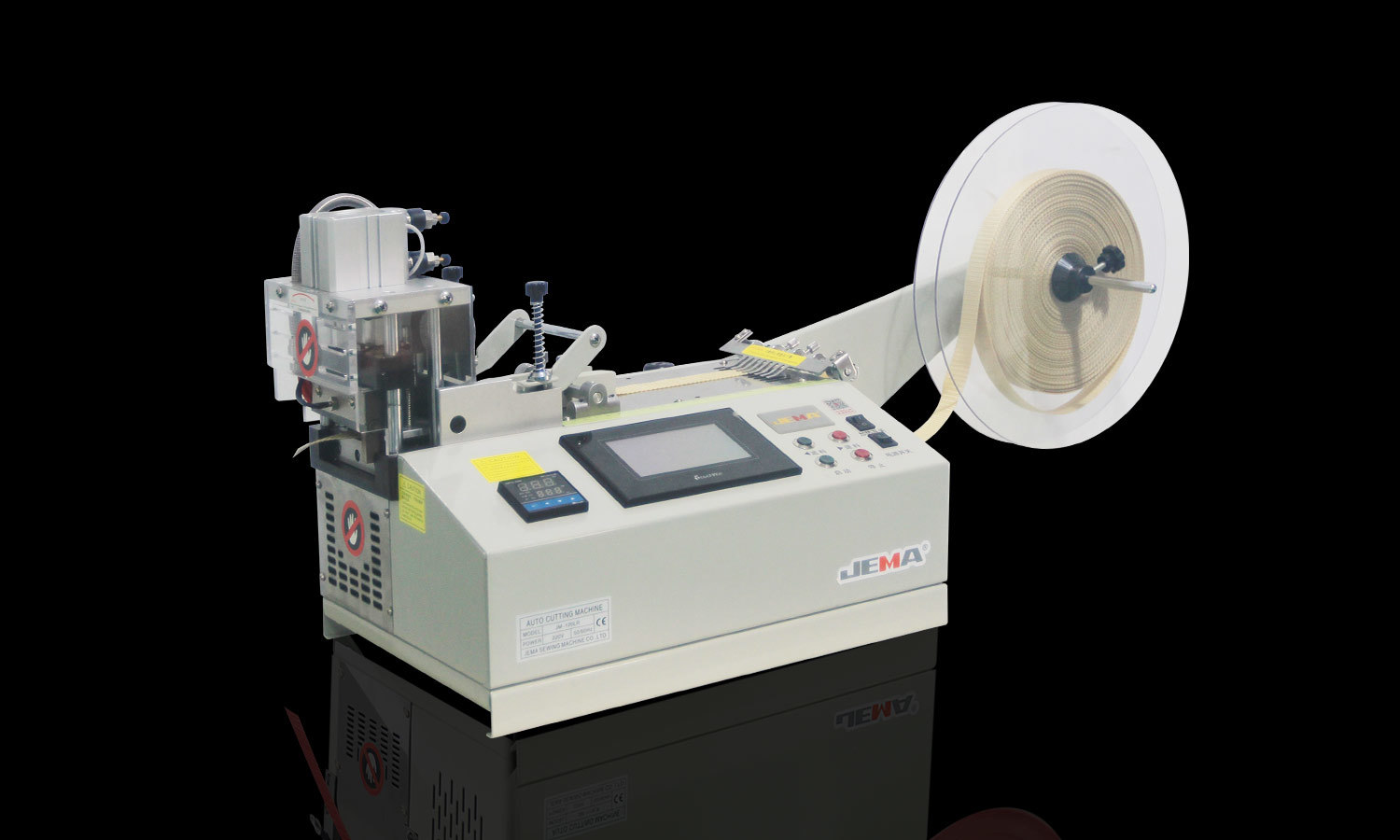
土耳其语Computer tape cutting machine (cold, hot) JM-120LR
Fully automatic cutting, simple operation, wide application range, high cutting quality, cold ...
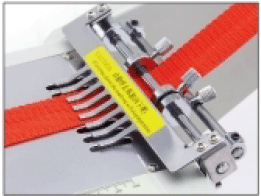
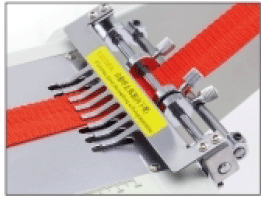
A manual fabric cutting setup usually involves a straight knife, a long table, and a trained operator. The operator guides the blade by hand along pattern lines printed on paper or chalk. That process works for small batches but shows limits when production volume grows. A Fully Automatic Fabric Cutting Machine removes the hand guidance step. The machine follows a digital pattern stored in its control system. A blade or laser moves according to programmed coordinates. The operator does not push or pull any cutting head. The difference affects accuracy, speed, and physical effort. Manual cutting relies on eye hand coordination. A tired operator makes uneven cuts. An automatic machine does not get tired. The cutting path repeats exactly the same way for every layer. That repeatability becomes important when fabric pieces need to fit together during sewing.
Fabric pieces that come from the same roll should match each other. A shirt front cut from one end of the roll should fit the shirt front cut from the other end. Small differences in cutting cause problems later. Seams become uneven. Patterns do not line up. A sleeve may attach at a slightly different angle. Those errors add time during assembly because workers must stretch or ease fabric to make pieces fit. A Fully Automatic Fabric Cutting Machine holds the blade position within a narrow window of variation. The machine follows the same digital path for each piece. Fabric layers stay aligned under a vacuum or clamping system. That holding method prevents the top layer from shifting relative to the bottom layer. Every piece coming off the cutting table matches the intended shape. Consistency from one batch to the next also improves. A shirt cut today will match a shirt cut next month because the same digital file controls the machine.
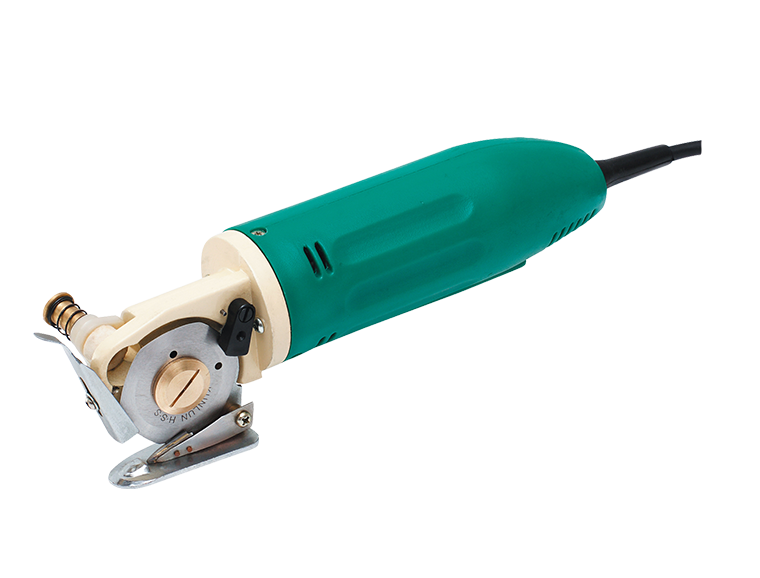
Operating a manual cutting system requires physical strength. The worker lifts the cutting head, pushes it through multiple layers, and controls speed around curves. That motion repeats hundreds or thousands of times per shift. Fatigue sets in after a few hours. A Fully Automatic Fabric Cutting Machine changes the worker role. The operator loads fabric onto the table and enters a job number. The machine moves the cutting head automatically. The worker observes the process and addresses any fabric feeding issues. Physical effort drops significantly. Less fatigue means fewer mistakes caused by tired hands. The machine also handles heavy layups that a person cannot cut by hand. Thick stacks of denim or upholstery fabric become manageable.
| Factor | Manual Cutting | Fully Automatic Cutting |
|---|---|---|
| Operator physical effort | High | Low |
| Cutting path guidance | Hand guided | Digital program |
| Skill level needed | Years of practice | Days of training |
| Consistency across batches | Varies by operator | Same every time |
| Maximum layer thickness | Limited by arm strength | Limited by machine design |
Speed gains come from two sources. The source is travel speed. A Fully Automatic Fabric Cutting Machine moves the blade faster than a human hand can move. The second source is non cutting time. A manual operator stops cutting to reposition the body, check pattern alignment, or rest. An automatic machine cuts continuously within a programmed zone. The machine also cuts multiple small pieces in a sequence without stopping. A human cutter might cut one large piece and then several small ones. The automatic system nests all pieces together and cuts them in one pass. The total time from spreading to finished stack drops.
Fabric waste happens when the cutting layout leaves unused gaps between pattern pieces. A manual cutter arranges patterns by eye or by placing paper templates. Some gaps go unnoticed. A Fully Automatic Fabric Cutting Machine uses nesting software to find the arrangement that uses the least fabric. The software tests many layouts in seconds. It rotates pieces, fits small parts into gaps, and adjusts spacing. The result uses more of the fabric width. Less waste means fewer rolls of fabric needed for the same number of finished products. Waste reduction also applies to damaged pieces. A manual cutter may accidentally cut through a pattern line and ruin the piece. An automatic machine follows the programmed path exactly.
Learning to cut fabric by hand takes time. A new worker must develop a feel for the blade angle, pressure, and speed. Curves require special attention. Corners need precise stops and turns. Experienced cutters make the work look simple, but behind that ease lies years of practice. A Automatic Fabric Cutting Machine changes the learning path. The operator focuses on loading fabric, selecting the correct program, and monitoring the cutting process. Blade guidance comes from the machine, not from hand skill.
Fabrics behave in different ways under a blade. A thin silk chiffon shifts easily. A heavy denim resists cutting. A stretchy knit pulls away from the blade. Each fabric type presents challenges. A manual cutter adjusts technique for each material. A Fully Automatic Fabric Cutting Machine handles variety through adjustable settings. Blade speed changes for different thicknesses. Downward pressure increases for slippery fabrics. A vacuum system holds lightweight materials flat against the cutting table.
Pattern nesting arranges pieces on a virtual fabric width before cutting begins. Nesting software receives digital pattern files from the design department. The software places each piece as close as possible to the next piece. Gaps between pieces become very small. A good nest uses nearly all of the fabric width. Once the nest is complete, the Automatic Fabric Cutting Machine follows that layout exactly. Every batch uses the same nest arrangement. That repeatability produces consistent piece shapes across many production runs.
A cutting room operates as one station in a longer production line. Fabric arrives from the warehouse. Cut pieces move to sewing. A Fabric Cutting Machine reduces cutting time for each batch. That shorter cycle time allows smaller batch sizes. Workflow also improves through digital handoff. The cutting machine receives job data from a central planning system. The sewing floor knows exactly when cut pieces will arrive because the cutting time is predictable.
Several reasons push a shop toward automatic cutting. Skilled manual cutters become harder to find. Younger workers show less interest in physically demanding cutting jobs. The second reason involves quality. Customers expect consistent fit from one product to the next. Manual cutting produces variation. A manual cutter works at one speed. An automatic machine works faster. The fourth reason involves material cost. Fabric represents a large portion of product cost. Saving even a small percentage of fabric through better nesting improves profitability. A Fully Automatic Fabric Cutting Machine does not eliminate the human role. It changes that role from physical cutter to machine operator. That change benefits both the worker and the production outcome.
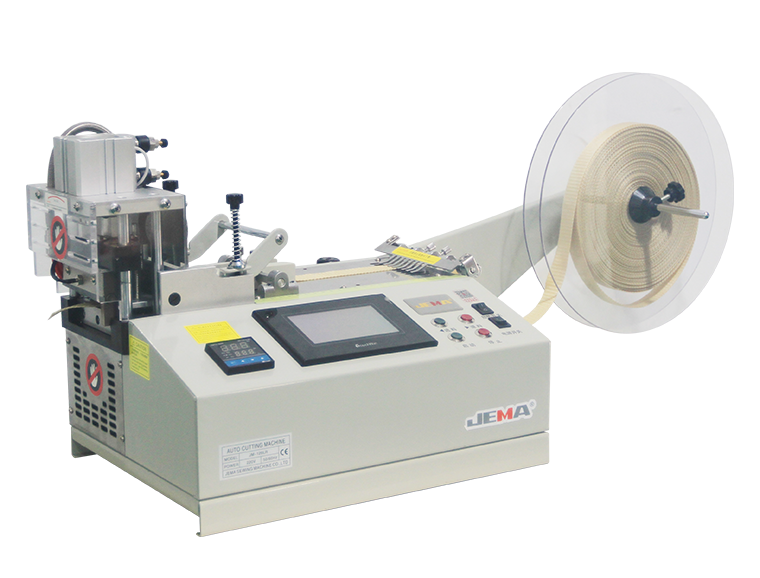
Fully automatic cutting, simple operation, wide application range, high cutting quality, cold ...
.png?imageView2/2/w/500/h/500/format/jp2/q/100 "Computer tape cutting machine hot cutting knife (corner) JM-120HX")
Fully automatic cutting, simple operation, wide application range, high cutting quality, cold and...
.png?imageView2/2/w/500/h/500/format/jp2/q/100 "Multifunctional computerized tape cutting machine (cold knife) JM-150L")
The JM-150L Multifunctional Computerized Tape Cutting Machine (Cold Knife) is built for cutting jobs...
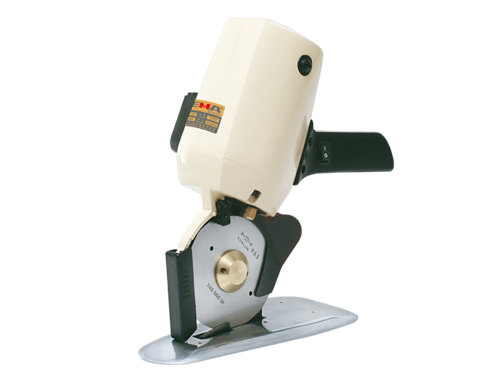
Features The JM-60/70 miniature cutting machine is suitable for cutting curves, small arcs and...

25 Years specializing in the production of various cutting machines.
©2021 Taizhou JEMA Sewing Machine Co., Ltd. Custom Elastic Tape Cutting Machine Manufacturers


 +86-576-88177528
 +86-576-88172167
 367# Guangxing Road, Xiachen Street, Jiaojiang District, Taizhou City, China.