

 EN
EN  英语
英语 中文简体
中文简体 西班牙语
西班牙语 越南语
越南语 葡萄牙语
葡萄牙语 土耳其语
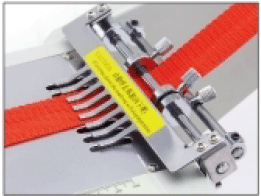
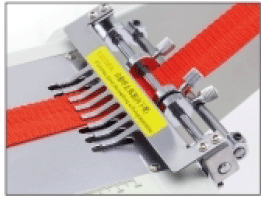
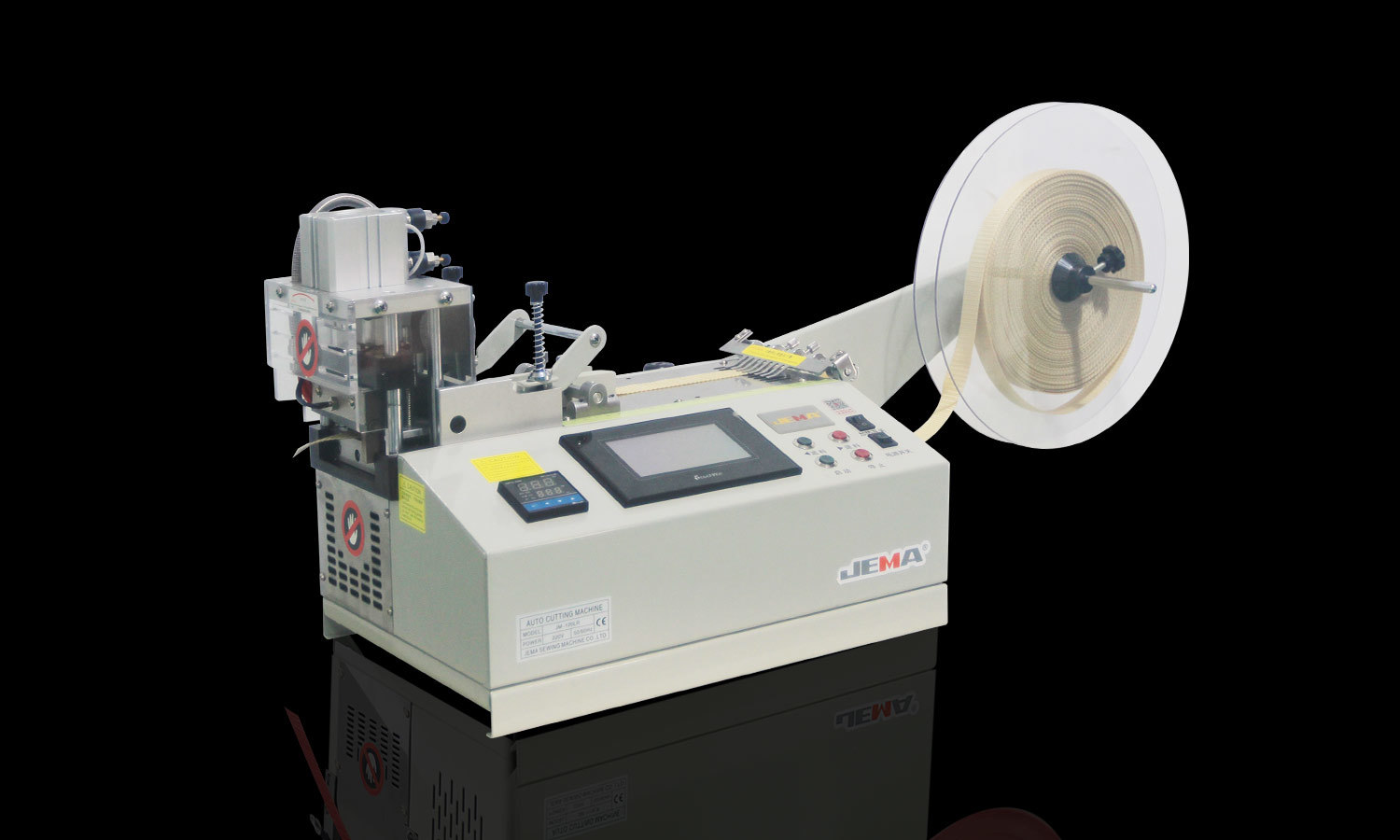
土耳其语Computerized tape cutting machine (cold knife) JM-130L
Fully automatic cutting, simple operation, wide application range and high cutting quality. ...
A heated cutting machine often works quietly in the background of tape processing, so attention may naturally go toward the blade area, feeding movement, or finished pieces rather than the heating part. After repeated use, however, small changes around the heating area can affect how cleanly a tape edge is treated. Residue may build up, connections can loosen, and surface changes may appear gradually rather than all at once.
For operators working with a Nylon Tape Cutting Machine, a simple inspection routine can help reveal such changes before they become difficult to identify. Inspection does not always mean opening the machine or removing internal parts. Much of the early checking can begin with observation, cleaning, and comparison with the normal working condition.
Heat plays an important role when nylon tape needs to be cut and the edge needs to remain neat after separation. During normal operation, material passes through the cutting area while heat is applied at a controlled point. A stable heating condition helps the edge respond in a consistent way.
Repeated work gradually exposes the heating area to material residue and surrounding dust. Small pieces of softened tape may remain close to the cutting position, especially when the material is processed frequently. Once residue collects around the heated surface, heat may not reach the tape in the same manner as before.
Changes in cutting results can also provide an early clue. An edge that once looked clean may begin to show rough areas, incomplete separation, or slight differences from one piece to another. Such changes do not automatically mean the heating element has failed. Tape position, material condition, feeding movement, and general machine cleanliness can also affect the result.
Regular observation therefore has a practical purpose. Rather than waiting for an obvious failure, an operator can pay attention to gradual changes and check the heating area alongside other parts of the cutting process.
A useful inspection routine can include:
A few minutes of careful observation can make later troubleshooting easier because a visible change has a clearer connection with the working condition.
Safety needs to come before direct contact with any heated part. A machine may appear to have stopped while the heating area is still hot, so touching the cutting section immediately after operation can create an unnecessary risk.
Start by stopping normal operation and disconnecting the power according to the equipment instructions. Allow sufficient time for the heated section to cool before carrying out a closer inspection. Avoid reaching into a narrow cutting area simply because the machine appears inactive.
The surrounding workspace also deserves attention. Loose tape pieces, dust, packaging material, and other debris can collect around the cutting section. Removing such material from the surrounding area makes visual inspection easier and reduces the chance of unwanted material entering moving parts.
Before looking closely at the heater, check the general condition of the machine.
A calm inspection is easier to perform than a rushed one. Trying to clean or adjust a heated area while the machine is still warm can create problems that would have been avoided through a short cooling period.
A visual check can reveal a surprising amount of information without requiring internal disassembly. Start with the part of the heating area that can be seen during normal maintenance. Look for changes that were not present during earlier inspections, paying attention to both the heating surface and nearby supports.
Discoloration may indicate that a section has been exposed to unusual conditions. A damaged surface, visible crack, bent section, or unexpected gap also deserves attention. Material residue should be checked carefully because softened nylon can remain close to a hot surface and gradually form a thin layer.
Cleanliness matters for another reason. A small amount of residue may seem harmless, yet repeated heating can cause it to harden or accumulate. As the layer becomes thicker, contact between the tape and the intended heated area may change.
Cleaning should therefore be gentle. Rough tools or forceful scraping can damage a surface that was originally smooth. A suitable soft cleaning method is preferable, with the machine fully stopped and cooled before any contact is made.
The inspection should also include the relationship between the heater and nearby components. A heating section that appears slightly out of position may be worth checking before production continues. The goal is not to make adjustments simply because something looks different, since some parts naturally have a certain amount of movement or spacing. Any unusual change should be compared with the equipment's normal condition or checked against its operating instructions.
For an Elastic Tape Cutting Machine, material behavior can add another layer to visual inspection. Elastic materials may stretch, shift, or react differently around a heated cutting area, so an operator may need to look at both the heating section and the way material reaches it.
Cutting results often tell a story that cannot be seen from the machine itself. A change at the tape edge may appear before a visible problem develops on the heating surface, making finished pieces useful for routine observation.
A clean cut that gradually becomes uneven deserves attention, especially when the same material and operating conditions have been maintained. An edge that remains partly connected can also suggest that the heating process is not behaving as expected. On another occasion, excessive heat around the cutting point may change the appearance of the material near the edge.
A simple observation table can help separate different signs during inspection:
| Observed Change | Area Worth Checking | What to Consider |
|---|---|---|
| Uneven cut edge | Heating and cutting area | Residue, position, or heating condition |
| Incomplete separation | Heated cutting point | Material contact and heat response |
| Darkened residue | Heater surface | Accumulated tape material |
| Different results during similar cuts | Heating and feeding areas | Material movement and machine condition |
No single sign should be treated as proof of a heater fault. Tape can arrive at the cutting area at a different angle, material may vary slightly, and feeding movement can influence the final edge. Looking at several observations together gives a more useful picture.
A good inspection habit is to compare current results with normal results from the same working setup. When a change appears repeatedly rather than only once, closer attention becomes more reasonable.
Heat-related problems can also develop slowly. A small difference in cutting behavior may be easy to overlook during a busy production period, especially when the machine continues to operate. Keeping the inspection simple and consistent makes gradual changes easier to notice without turning routine maintenance into a complicated task.

After checking the visible heating surface, attention can move toward the connections around the heating area. Electrical connections may not show a problem at the beginning, so a simple visual check is useful during routine maintenance.
Look at exposed wires, connectors, and fixing points for signs of damage, looseness, or unusual movement. A worn outer covering, a disconnected section, or a connection that no longer sits in its normal position should not be ignored.
Inspection does not mean taking electrical parts apart without suitable knowledge. Internal wiring can remain dangerous even when normal cutting has stopped, particularly when power has not been properly disconnected. Operators can handle basic external observation, while repairs or internal checks should be left to an appropriately trained person.
Heat can also affect nearby materials over continued operation. Changes in the appearance of a wire covering or connector may therefore deserve closer attention when they appear close to a heated section.
A useful approach is to compare the current condition with the normal appearance of the machine. Sudden changes are easier to notice when operators are familiar with how connections usually look and sit.
Finished tape pieces can provide useful information during routine checking because changes at the cut edge are often easier to notice than small changes inside the machine.
An edge that becomes rough, remains partly attached, or shows an unusual appearance may indicate that something in the cutting process has changed. Heating is one possible factor, although material condition and feeding movement can create similar results.
For example, a roll of tape may not enter the cutting area in exactly the same position each time. Stretching, surface tension, or slight movement can affect where the material meets the heated section. Looking only at the finished edge can therefore give an incomplete picture.
A better approach is to compare several pieces produced under similar conditions. When a change appears repeatedly, inspect the heating area along with the feeding and positioning sections.
Attention should also be paid to gradual changes. A small difference may not stop production, yet repeated changes can point toward a condition that deserves maintenance.
For operators using an Elastic Tape Cutting Machine, material behavior can make observation even more useful. Elastic tape may move differently from a firm nylon tape, and tension can affect how material reaches the cutting position. Checking the heater alone may not explain every change in the finished edge.
Material residue is a common reason for giving the heating area extra attention. During cutting, softened tape can remain close to the heated surface. Repeated operation may gradually build a layer that is difficult to notice during a quick glance.
Cleaning should start only after operation has stopped and the heated area has cooled. A soft, suitable cleaning method can remove loose residue without placing unnecessary pressure on the heating part.
Avoid sharp objects that may scratch or bend the surface. Aggressive cleaning can create a new problem while trying to remove an old one, especially around delicate sections.
A simple maintenance habit can include:
Cleanliness also makes later inspections easier. A surface covered with old material can hide discoloration, cracks, or other visible changes, while a clean area gives a clearer view of its actual condition.
Regular cleaning does not mean dismantling the machine after every use. Routine care should remain practical and follow the equipment's own maintenance instructions.
Inspection needs can change with working conditions. A machine used frequently may accumulate residue more quickly, while equipment that has been stored for a period may need attention before returning to normal operation.
Changes in material can also justify a closer look. Different tapes may react differently to heat, especially when their surface, thickness, or flexibility changes. A cutting setting that works well with one material may not produce the same result with another.
Certain signs deserve immediate attention:
Stopping operation for inspection is sensible when an unusual condition appears suddenly. Continuing to run the machine while ignoring a visible electrical or heating concern can make later diagnosis more difficult.
Storage conditions matter as well. Dust, moisture, and long periods without use can affect exposed areas. A brief inspection before restarting can help identify problems that developed while the equipment was inactive.
A maintenance record does not need to be complicated. Simple notes about cleaning, visible changes, and unusual cutting results can help operators notice patterns over time.
For example, a note can mention that residue appeared around the heating area, that a connection looked different, or that cut edges changed during a particular working period. Such information gives later inspections a useful reference point.
Records can also help separate repeated problems from isolated events. A single uneven cut may come from material movement, while the same issue appearing repeatedly under similar conditions deserves closer examination.
A practical record may include:
No complicated terminology is necessary. Clear descriptions are usually easier for different operators to understand, especially when equipment is shared between shifts.
Good records can also help maintenance personnel identify where to begin when a problem develops. Instead of relying entirely on memory, they can review earlier observations and compare the current condition with previous checks.
Heating and electrical parts require care even during a routine visual check. A safe inspection begins with stopping normal operation, disconnecting power according to the equipment instructions, and allowing heated areas to cool before contact.
Hands should stay away from internal electrical sections unless the person carrying out the work has the appropriate training and authorization. Removing covers or changing electrical connections without suitable knowledge can create unnecessary hazards.
Visible damage also deserves a cautious response. A cracked heating surface, damaged wire covering, loose connection, or unusual burning mark should not simply be covered up and ignored. Continuing operation may make it harder to determine when the problem began.
Cleaning requires similar care. Do not attempt to remove residue from a hot surface, and avoid tools that may damage the heating part. Once the area has cooled, gentle cleaning can usually provide a clearer surface for inspection.
A Nylon Tape Cutting Machine works through several connected actions, so heating condition should be considered alongside feeding, positioning, cutting, and general cleanliness. A change in one area may influence another, which makes simple observation more useful than relying on a single symptom.
Regular inspection is less about adding complicated maintenance work and more about noticing small changes while they are still easy to describe. A clean heating area, stable connection, suitable material handling, and careful observation can help operators maintain a clearer picture of how the cutting process is behaving.
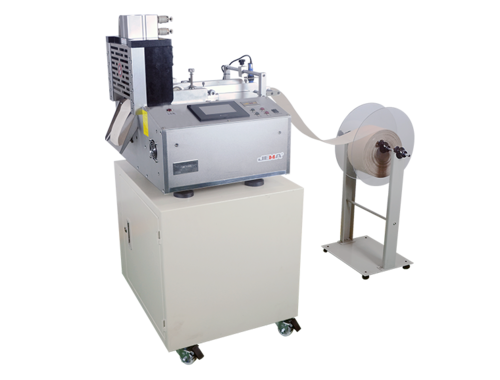
Fully automatic cutting, simple operation, wide application range and high cutting quality. ...
.png?imageView2/2/w/500/h/500/format/jp2/q/100 "Multifunctional computerized tape cutting machine (cold knife) JM-150L")
The JM-150L Multifunctional Computerized Tape Cutting Machine (Cold Knife) is built for cutting jobs...
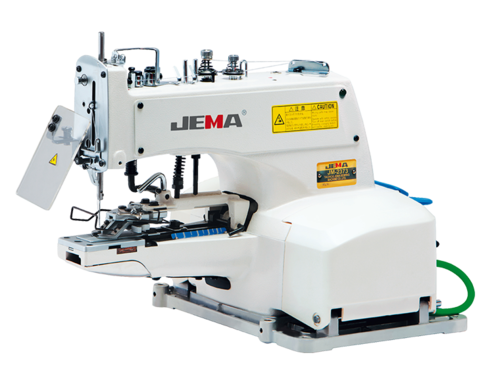
Features Quickly adapt to a variety of sewing requirements. Corresponding to the changes in sewing...
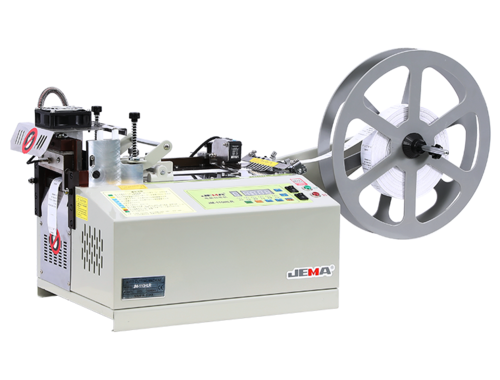
high functionality Speed: 95 pieces can be cut per minute. (Take 50mm length as an exampl...

25 Years specializing in the production of various cutting machines.
©2021 Taizhou JEMA Sewing Machine Co., Ltd. Custom Elastic Tape Cutting Machine Manufacturers


 +86-576-88177528
 +86-576-88172167
 367# Guangxing Road, Xiachen Street, Jiaojiang District, Taizhou City, China.