

 EN
EN  英语
英语 中文简体
中文简体 西班牙语
西班牙语 越南语
越南语 葡萄牙语
葡萄牙语 土耳其语
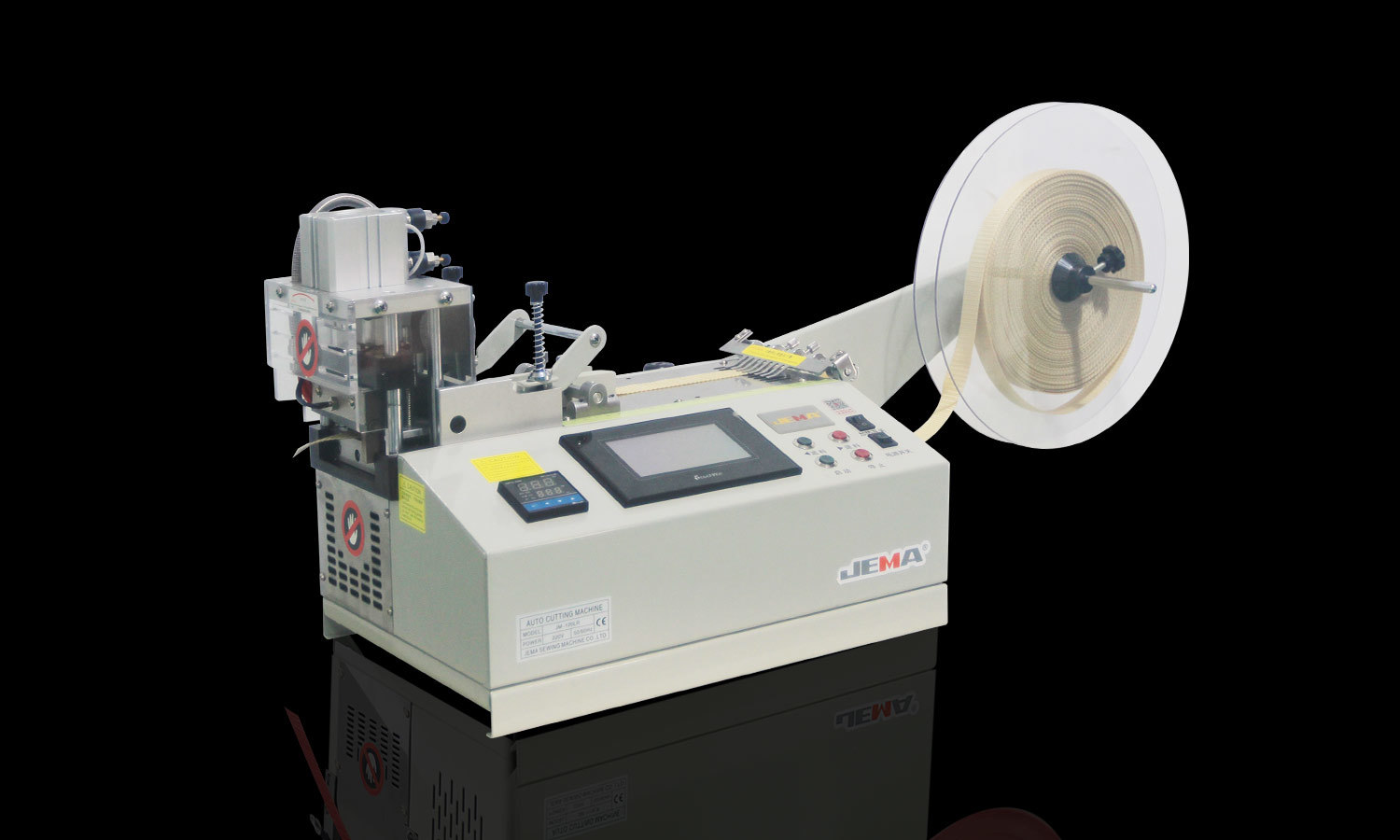
土耳其语Computer tape cutting machine (cold knife) JM-120L
Fully automatic cutting, simple operation, wide application range and high cutting quality. ...
A roll of tape may look simple, yet its behavior can change considerably once it enters a cutting process. An elastic strip may become longer when pulled and shorten again after the pulling force disappears. A non‑elastic strip usually keeps its length during feeding, although thickness, stiffness, surface friction, and winding condition can still affect movement.
That difference matters because cutting does not begin at the blade. It starts when the tape leaves the roll, passes through the feeding path, and reaches the cutting position. Any movement during that journey can change where the cut is made.
Elastic materials are particularly sensitive to tension. Pulling the tape firmly can make the measured feeding distance different from the length of the finished piece. Holding pressure can create another problem: a soft tape may flatten under pressure and change shape temporarily.
Non‑elastic materials have their own concerns. A stiff strip may resist bending around a guide, while a smooth surface can slide when the feeding force changes. Adhesive or textured surfaces may create greater resistance at contact points.
Before selecting equipment, several basic material characteristics are worth checking:
Width should not be overlooked. A narrow strip has less contact with the guide and can move sideways more easily. A wider strip may need broader support to remain flat. The same feeding arrangement can consequently behave differently even when two tapes are made from similar materials.
A suitable Cutting Tape Machine needs to match these physical characteristics. Blade quality alone cannot compensate for an unsuitable feeding path or excessive tension. Material behavior, feeding, holding, and cutting need to be considered as one process.
Elastic tape creates a measurement problem that is easy to miss during setup. The length shown during feeding may not represent the length that remains after cutting and releasing the tape.
Consider a flexible strip being pulled toward the blade. Under tension, the strip becomes slightly longer. Once the cut is completed, the material contracts. The finished piece can consequently be shorter than expected even though the feeding movement itself appears consistent.
The amount of change depends on the material. Some elastic tapes respond to a small pulling force, while others remain relatively stable. Tape width, thickness, construction, and surface condition can also affect how easily the material stretches.
The holding system needs a careful balance. Enough pressure is required to keep the tape in position, but excessive pressure can flatten a soft material or create temporary deformation. A feeding roller that works well with firm tape may not be suitable for a highly flexible strip.
Support near the blade is another practical concern. Without adequate support, a flexible tape can bend or move downward as the cutting edge approaches. The blade then meets a moving surface instead of a stable one, which can affect the cut location and edge condition.
A useful selection check includes:
The storage roll itself can influence feeding. A tightly wound section may behave differently from a loose section, particularly when the material is soft. Uneven unwinding can introduce changes in tension before the tape even reaches the cutting area.
For production involving elastic tape, consistent handling is often more important than simply increasing cutting speed. A controlled material path gives the cutting mechanism a more stable starting condition.
Non‑elastic tape generally does not present the same stretch‑related issue, but feeding can still become inconsistent. The reason often lies in friction and stiffness rather than length recovery.
A stiff tape resists changes in direction. When a guide forces the material through a curved path, the tape may press against one side of the guide instead of following the center line. A softer strip can behave in the opposite way, bending easily and moving away from the intended path.
Surface condition also matters. Smooth tape can slide when the feeding force changes. A rough surface may grip the contact area and require greater force to move. Adhesive materials introduce another variable because residue can accumulate on rollers, guides, or nearby surfaces.
Thickness affects cutting resistance as well. A thin tape can move if the support around the blade is inadequate. A thicker material may remain stable but place greater resistance against the cutting edge. Blade condition becomes increasingly important when resistance rises.
A simple inspection of the material path can reveal several potential problems:
Cutting consistency is also related to roll condition. A tape roll that has been stored unevenly may unwind with changing tension. Material near the outer layer can behave differently from material deeper inside the roll, particularly when the winding is not uniform.
For non‑elastic tape, accurate positioning is often the practical focus. Stable guides, suitable contact pressure, and a blade in good condition can help keep the cutting point consistent.
The feeding path is often where material problems begin. A tape that passes through several rollers, guides, and holding points is exposed to repeated contact before reaching the blade. Each contact point can influence tension, friction, or alignment.
A sensible structure keeps the material path as straightforward as the production process allows. Fewer unnecessary changes in direction can reduce opportunities for elastic tape to stretch or for stiff tape to press against a guide.
Four areas deserve particular attention.
| Material Condition | Typical Cutting Concern | Structure Worth Checking |
|---|---|---|
| Flexible and Elastic | Stretching during feeding | Feeding path and tension |
| Soft Tape | Compression under pressure | Holding surface |
| Stiff Tape | Resistance to direction changes | Guide arrangement |
| Thick Tape | Greater cutting resistance | Blade support |
| Smooth Surface | Sideways sliding | Guide alignment |
| Textured Surface | Higher contact friction | Feeding contact points |
Material changes can make adjustment space valuable. A production line handling several tape widths may need different guide positions. Switching between soft and firm materials can also require changes to holding pressure.
An Automatic Tape Dispenser Cutting Machine can be useful where feeding and cutting form a repeated operation. Automatic movement reduces repetitive manual positioning, but automation does not remove the need for correct material support. A flexible tape still needs controlled tension, and a stiff tape still needs an appropriate guide path.
The physical behavior of the tape remains the starting point for equipment selection. Once elasticity, stiffness, thickness, surface friction, and winding condition are known, the feeding, holding, guiding, and cutting arrangements can be evaluated on practical grounds rather than by machine type alone.
Repeated tape cutting involves more than separating material at regular intervals. Each cycle includes unwinding, feeding, positioning, holding, and cutting. When these actions are performed manually, small differences in hand movement can affect the position of the finished pieces.
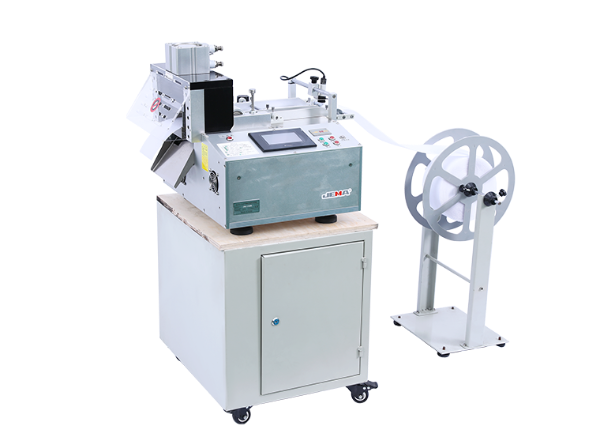
An Automatic Tape Dispenser Cutting Machine combines feeding and cutting into a more continuous workflow. The practical benefit comes from reducing repeated manual positioning rather than simply adding automation to the production line.
For elastic tape, feeding control remains particularly important. Excessive pulling can stretch the material before cutting, while insufficient control can allow the tape to shift. A suitable machine needs a feeding arrangement that keeps movement steady without placing unnecessary tension on the material.
Non‑elastic tape presents a different situation. Stable feeding can reduce sideways movement and keep the cutting point aligned. When tape widths or thicknesses change, adjustable guides and holding components can make setup more manageable.
Automation can be useful for applications involving:
The cutting mechanism still depends on the physical properties of the tape. Automation can repeat a process, but it cannot correct a feeding path that causes stretching, slipping, or excessive friction.
Cutting accuracy begins with material movement. If the tape shifts before the blade reaches the cutting position, the final length can change even when the machine movement remains consistent.
Elastic tape requires particular attention because its apparent length changes under tension. A measurement taken while the tape is stretched may not correspond to the relaxed length after cutting. Feeding conditions should consequently remain as consistent as possible.
Non‑elastic tape is less affected by stretch, yet alignment still matters. Sideways movement can shift the cutting position, while uneven contact with a guide can gradually alter the feeding path.
Several factors can influence the result:
Material consistency also depends on the roll itself. Variations in winding can change the force needed to pull the tape forward. A machine may appear to operate normally while the material path changes gradually during unwinding.
Cutting quality should not be judged only by the edge. Length, shape, alignment, and deformation can all provide useful information about the interaction between the tape and the machine.
Different industries use tape for different purposes, so the required cutting process can vary considerably. Packaging operations may focus on repeatable lengths, while assembly work may require clean pieces that remain stable during placement.
Soft elastic tape may be used where flexibility is important. Such material needs controlled feeding and careful holding. A firm non‑elastic tape may instead require stronger guidance and adequate blade support.
Production volume also changes the selection criteria. Occasional cutting may allow more manual adjustment, while repeated processing places greater value on stable feeding and accessible controls.
A practical selection process can begin with four questions:
Space around the equipment matters as well. Material rolls need room for loading, while the finished tape pieces need a clear collection area. Maintenance access should remain available around feeding and cutting components.
Machine selection becomes clearer when actual tape samples are considered rather than relying only on general material descriptions. Elasticity, stiffness, thickness, surface texture, and winding condition can all influence feeding behavior.
A practical inspection can cover:
The cutting area deserves particular attention. A blade that is difficult to inspect or replace can complicate routine maintenance. Residue from adhesive materials may also accumulate around feeding surfaces, making cleaning access important.
For production involving several tape types, adjustment flexibility can affect daily operation. Elastic and non‑elastic materials may require different holding pressure, guide positions, or feeding conditions.
A suitable Cutting Tape Machine is therefore defined by the relationship between the material and the complete processing path. An Automatic Tape Dispenser Cutting Machine can support repeated operations when its feeding, guiding, holding, and cutting functions correspond with the tape being processed. Careful material testing before regular production can reveal these differences early and provide a clearer basis for equipment selection.
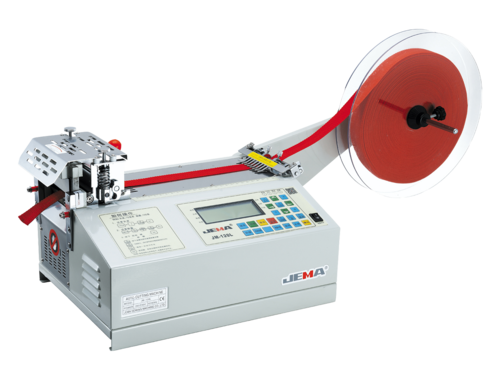
Fully automatic cutting, simple operation, wide application range and high cutting quality. ...
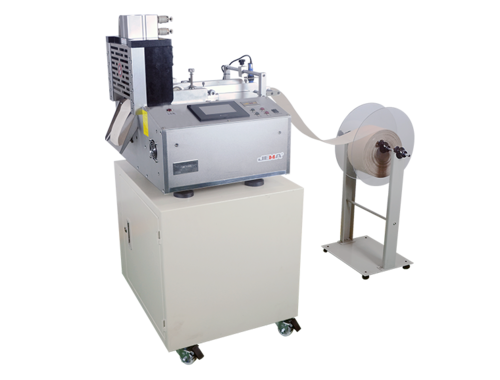
Fully automatic cutting, simple operation, wide application range and high cutting quality. ...
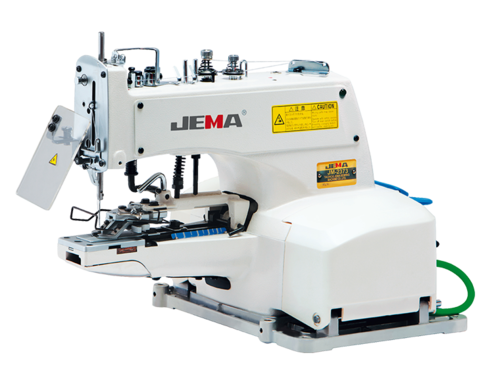
Features It is mainly used for sewing flat buttons with two holes or four holes. If attac...
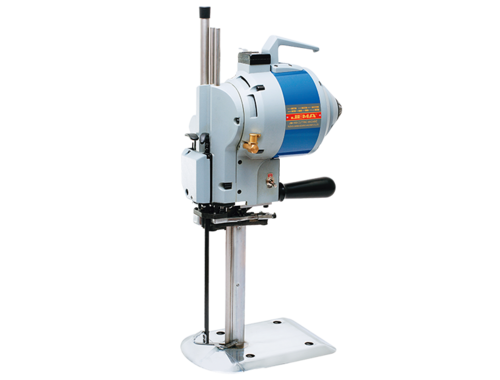
Features The JM-3D/3/103 electric cutting machine is compatible with KMCK8-EU Eastman Ele...

25 Years specializing in the production of various cutting machines.
©2021 Taizhou JEMA Sewing Machine Co., Ltd. Custom Elastic Tape Cutting Machine Manufacturers


 +86-576-88177528
 +86-576-88172167
 367# Guangxing Road, Xiachen Street, Jiaojiang District, Taizhou City, China.