

 EN
EN  英语
英语 中文简体
中文简体 西班牙语
西班牙语 越南语
越南语 葡萄牙语
葡萄牙语 土耳其语
土耳其语Computerized tape cutting machine (cold knife) JM-130L
Fully automatic cutting, simple operation, wide application range and high cutting quality. ...
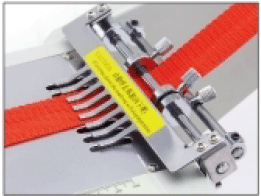
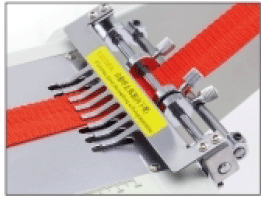
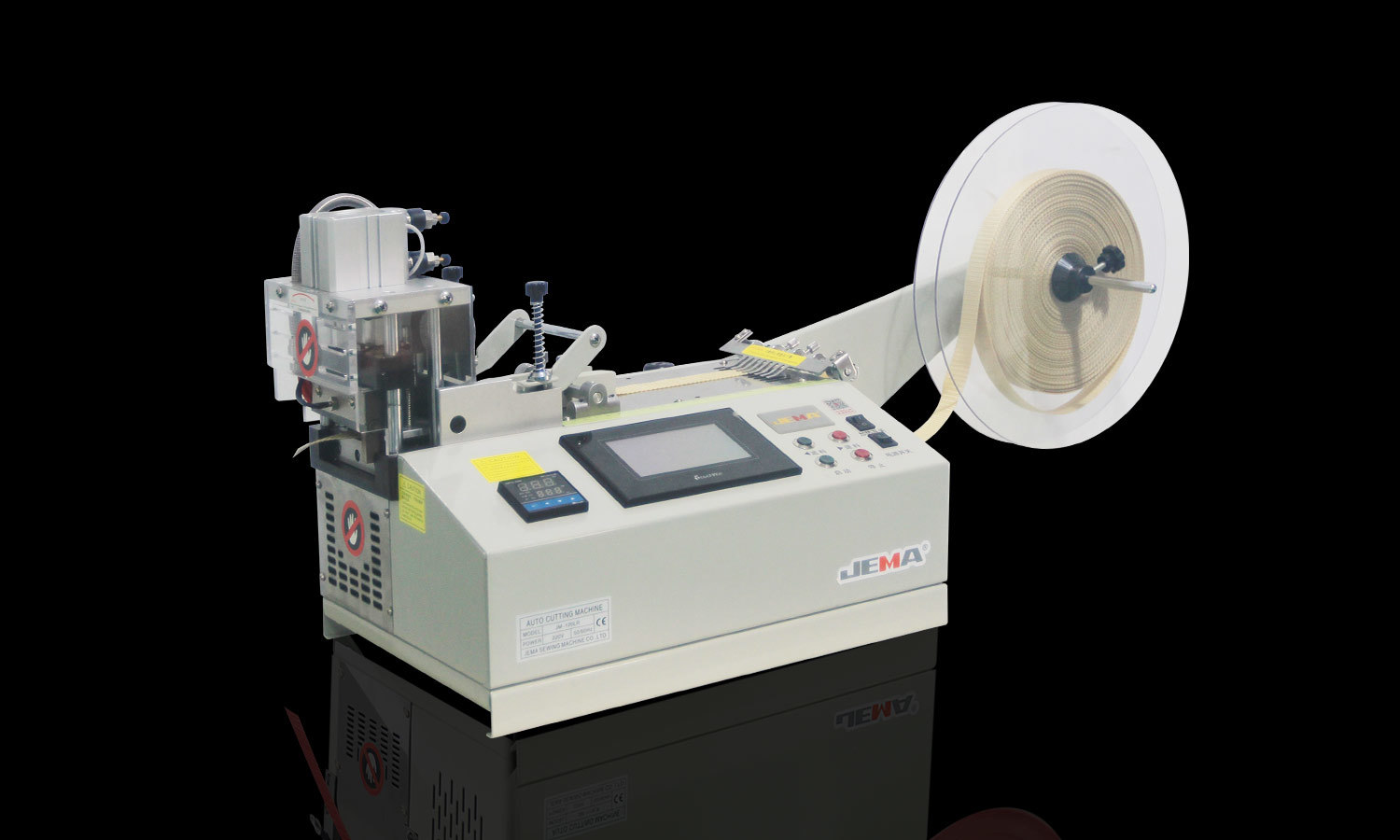
Tape is a simple material, but it appears in many parts of modern production. It can be used for packaging, assembly, protection, sealing, fixing, labeling, and temporary holding. In many workplaces, tape is handled repeatedly throughout the day.
Cutting tape by hand may seem like a small task. Yet repeated cutting can take time and create inconsistent pieces. It can also make the work area less organized. This is where a Tape Cutter Machine can become useful.
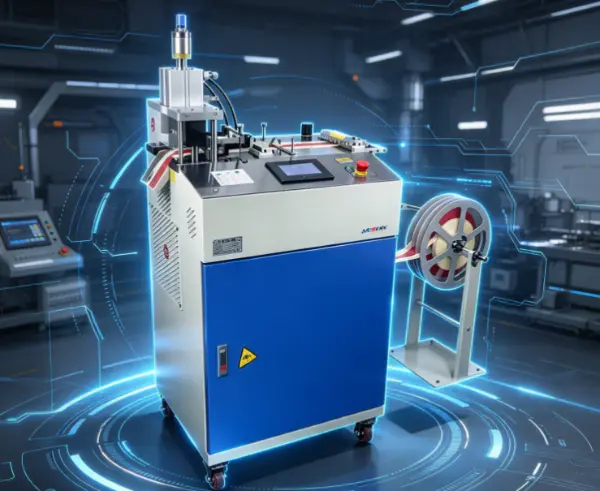
A tape cutter machine is designed to help prepare tape for production or daily working tasks. Depending on the application, it may work with different forms of tape and support different cutting routines. Some workplaces use simple operating methods, while others connect tape cutting with a more organized production process.
The industries using these machines are not limited to packaging. Manufacturing, electronics, automotive work, logistics, furniture production, printing, and other sectors may also have tape cutting needs.
Tape is used differently from one industry to another. A packaging company may need tape for closing cartons. An electronics manufacturer may use adhesive materials during assembly. A furniture producer may use tape for temporary fixing or surface protection.
Although the applications are different, they share a common need. Tape often has to be prepared before it can be used.
Manual cutting can work when tape is used occasionally. The situation changes when workers repeat the same action throughout a production process. A dedicated cutting machine can make this task easier to organize.
The value of a tape cutter machine is therefore not limited to the cutting action itself. It can also help create a more consistent working routine. Workers can prepare tape pieces in a controlled way rather than repeatedly reaching for a roll and cutting it by hand.
| Industry | Common Tape Use | Role of Tape Cutting |
|---|---|---|
| Packaging | Sealing and closing packages | Preparing tape for repeated packing |
| Electronics | Assembly and component handling | Supporting organized tape preparation |
| Automotive | Fixing and protection | Preparing tape for assembly tasks |
| Logistics | Package handling | Supporting packing and labeling work |
| Furniture | Temporary fixing and protection | Preparing tape for production tasks |
| Printing | Bundling and handling | Supporting material organization |
| General Manufacturing | Assembly and protection | Handling repeated tape applications |
The machine can therefore become part of a broader workflow. It helps move tape preparation away from an improvised manual task and into a more organized production activity.
Packaging is one of the familiar areas for tape cutting equipment. Boxes, cartons, bags, protective materials, and other packages often require adhesive tape during handling.
A packaging worker may need to cut tape repeatedly while preparing products for shipment. When many packages follow a similar process, repeated manual cutting can interrupt the working rhythm.
A tape cutter machine can support this kind of operation by making tape preparation more convenient. Workers can focus more closely on the package itself instead of spending unnecessary attention on preparing every piece of tape.
Different packaging environments may have different requirements. Some use tape for closing boxes. Others use it to hold protective materials in position. Tape may also be used to group products or secure temporary packaging layers.
The machine does not replace the entire packaging process. It simply supports one repeated part of the workflow.
This makes tape cutting equipment relevant to many packaging operations, including product packing, warehouse preparation, shipping work, and general material handling.
Electronics production involves many small components and careful assembly tasks. Tape can be used for temporary fixing, insulation-related work, component positioning, protection, and other production activities.
In such environments, the tape itself may be only a small part of the overall process. However, repeated preparation can still affect the working rhythm.
A tape cutter machine can help workers prepare adhesive tape without relying entirely on manual cutting. This can make the handling process easier to organize, especially when tape is used repeatedly across similar tasks.
Tape cutting may also support workstation organization. Instead of leaving several loose pieces of tape around a working area, operators can prepare tape in a more controlled manner.
The exact role depends on the production process. A manufacturer may use one type of tape for assembly and another for temporary protection. The machine needs to fit the way workers actually handle those materials.
This is why tape cutter machines used in electronics production are often considered part of the material preparation process rather than a standalone production system.
Automotive production involves many assembly and finishing activities. Tape may appear in different stages of the process. It can help with temporary positioning, surface protection, bundling, marking, or other handling tasks.
Some automotive work requires workers to repeat similar operations across many products. Preparing tape manually can become an unnecessary interruption when the same action is performed again and again.
A tape cutter machine can help create a more structured approach to tape preparation. Workers can access prepared tape more easily and keep their attention on the main assembly task.
The machine may also be useful in automotive parts production. Component manufacturers can have their own assembly and packaging processes where tape is needed regularly.
| Automotive Application | Tape-Related Task | Possible Machine Role |
|---|---|---|
| Component assembly | Temporary fixing | Preparing tape pieces |
| Surface protection | Covering selected areas | Supporting repeated tape preparation |
| Parts handling | Bundling or securing | Making tape easier to prepare |
| Packaging | Securing components | Supporting packing operations |
| Workshop processes | General fixing | Organizing repeated cutting work |
The important point is that tape cutting is often a supporting activity. It does not need to be the main manufacturing operation to have a practical role.
Warehouses and logistics centers handle large numbers of products. Packaging and material handling are common parts of the daily workflow.
Tape may be used when cartons are opened, closed, repacked, labeled, or secured. Workers may also use adhesive materials when preparing products for transportation.
A tape cutter machine can support these repeated activities. It gives workers a dedicated way to prepare tape rather than cutting each piece with a separate manual tool.
The benefit can be especially relevant when several workers perform similar packing tasks. A consistent tape preparation method can make the workflow easier to manage.
Tape cutters may also fit smaller warehouse operations. The need for organized tape preparation is not limited to large facilities. A small packing area can face the same basic problem when tape is used frequently.
The machine can be placed close to the working station, allowing tape preparation to become part of the normal packing routine.
This relationship between tape cutting and logistics is simple. Products need to be prepared for movement, and tape is often one of the materials used during that preparation.
Furniture production may not be the first industry people associate with tape cutters, but tape can serve several supporting purposes.
During manufacturing, tape may be used for temporary fixing, surface protection, packaging, or material organization. Finished furniture may also need protection before it is moved or packed.
Workers handling panels, edges, fittings, and finished surfaces may need adhesive materials at different points in the process. Cutting these materials by hand can become repetitive.
A tape cutter machine can support the preparation stage. Workers can focus on positioning, assembly, or protection work while tape cutting becomes a more organized task.
Furniture packaging is another potential application. Products often need protection before transportation. Tape can help hold protective layers or packaging materials in place.
The machine therefore fits both production and packing environments. Its role depends on how tape is used within a particular furniture operation.
Tape cutting is useful in many manufacturing environments because adhesive tape has a wide range of uses.
Printing and paper processing companies may use tape when organizing materials or preparing finished products. Textile operations may use adhesive materials for temporary handling or packaging. Plastic product manufacturers may use tape during packaging or surface protection.
Construction-related production can also involve tape. Building materials, components, and packaged products may require temporary fixing or protection during handling.
The same applies to general assembly workshops. Whenever workers repeatedly cut tape as part of their normal tasks, a dedicated cutter may have a place in the workflow.
| Industry Area | Possible Tape Application |
|---|---|
| Printing | Bundling, handling, and packaging |
| Textile production | Temporary fixing and packing |
| Plastic manufacturing | Product protection and packaging |
| Hardware production | Assembly support and packaging |
| Appliance manufacturing | Component handling and protection |
| General assembly | Fixing and material preparation |
| Product distribution | Packing and shipment preparation |
These applications show why the tape cutter machine is not tied to one specific industry. The common factor is repeated tape handling.
Choosing a machine should begin with the actual working process. The same cutter may not suit every production environment.
The type of tape is an important consideration. Different adhesive materials can have different handling characteristics. Some may be easier to cut than others. The machine should match the materials used in daily work.
The way workers use the tape also matters. A production line may require repeated preparation, while a workshop may use tape only when certain tasks arise. The equipment should fit the frequency and style of operation.
The working environment should also be considered. A machine used in a clean assembly area may have different requirements from one used in a busy packing station.
Ease of operation is another practical factor. Workers should be able to understand the basic operating process without unnecessary complexity.
Maintenance and cleaning should also fit the workplace. Tape can leave adhesive residue, so the equipment should be convenient to keep in suitable working condition.
A simple evaluation can help buyers organize their needs:
A tape cutter machine works better when its design matches the real task. The goal is not simply to add another machine to a workplace. It is to make a repeated tape-handling activity easier to manage.
As production processes become more organized, small supporting tasks can receive more attention. Tape cutting is one example.
Manufacturers often look at the entire workflow rather than one individual action. A packaging task may involve product preparation, protective materials, tape cutting, sealing, labeling, and movement. Each step affects the next.
A tape cutter machine can fit into this chain by supporting tape preparation. It can be used as a standalone workstation or as part of a broader material-handling process, depending on the needs of the workplace.
Automation can also change how tape is prepared. Some operations may need workers to control each cut. Others may prefer equipment that supports a more consistent routine.
The choice depends on the production environment, the type of tape, and the way the material is applied.
For manufacturers, the wider question is not simply whether tape needs to be cut. It is where that cutting task fits within the complete production process. When tape is used repeatedly, organizing this small step can make the overall workflow easier to manage.
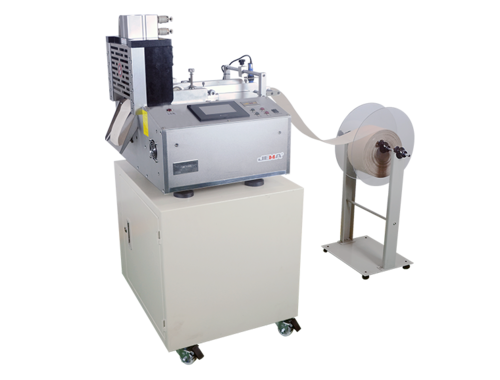
Fully automatic cutting, simple operation, wide application range and high cutting quality. ...
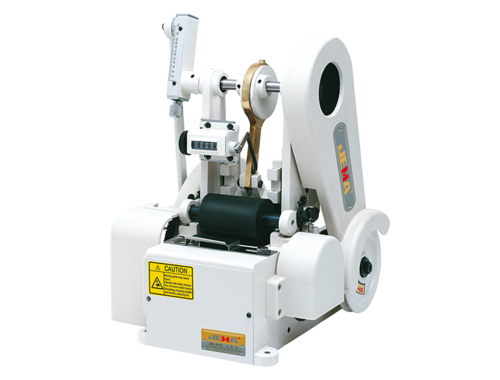
Features Shapes such as rounded corners, ellipses, full circles, etc. can be cut off. It ...
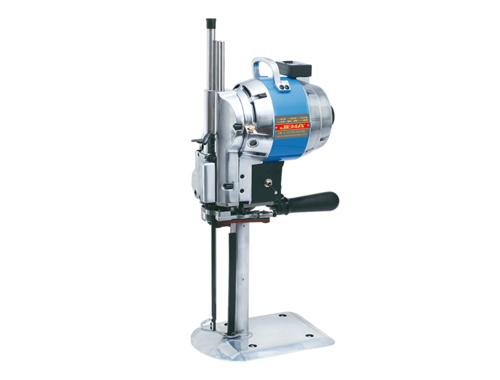
Features The JM-3D/3/103 electric cutting machine is compatible with KMCK8-EU Eastman Ele...
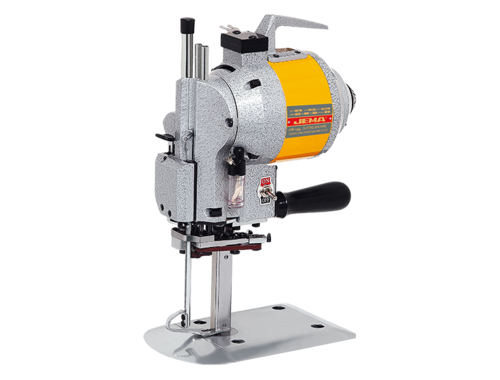
Features The JM-3D/3/103 electric cutting machine is compatible with KMCK8-EU Eastman Ele...

25 Years specializing in the production of various cutting machines.
©2021 Taizhou JEMA Sewing Machine Co., Ltd. Custom Elastic Tape Cutting Machine Manufacturers


 +86-576-88177528
 +86-576-88172167
 367# Guangxing Road, Xiachen Street, Jiaojiang District, Taizhou City, China.