

 EN
EN  英语
英语 中文简体
中文简体 西班牙语
西班牙语 越南语
越南语 葡萄牙语
葡萄牙语 土耳其语
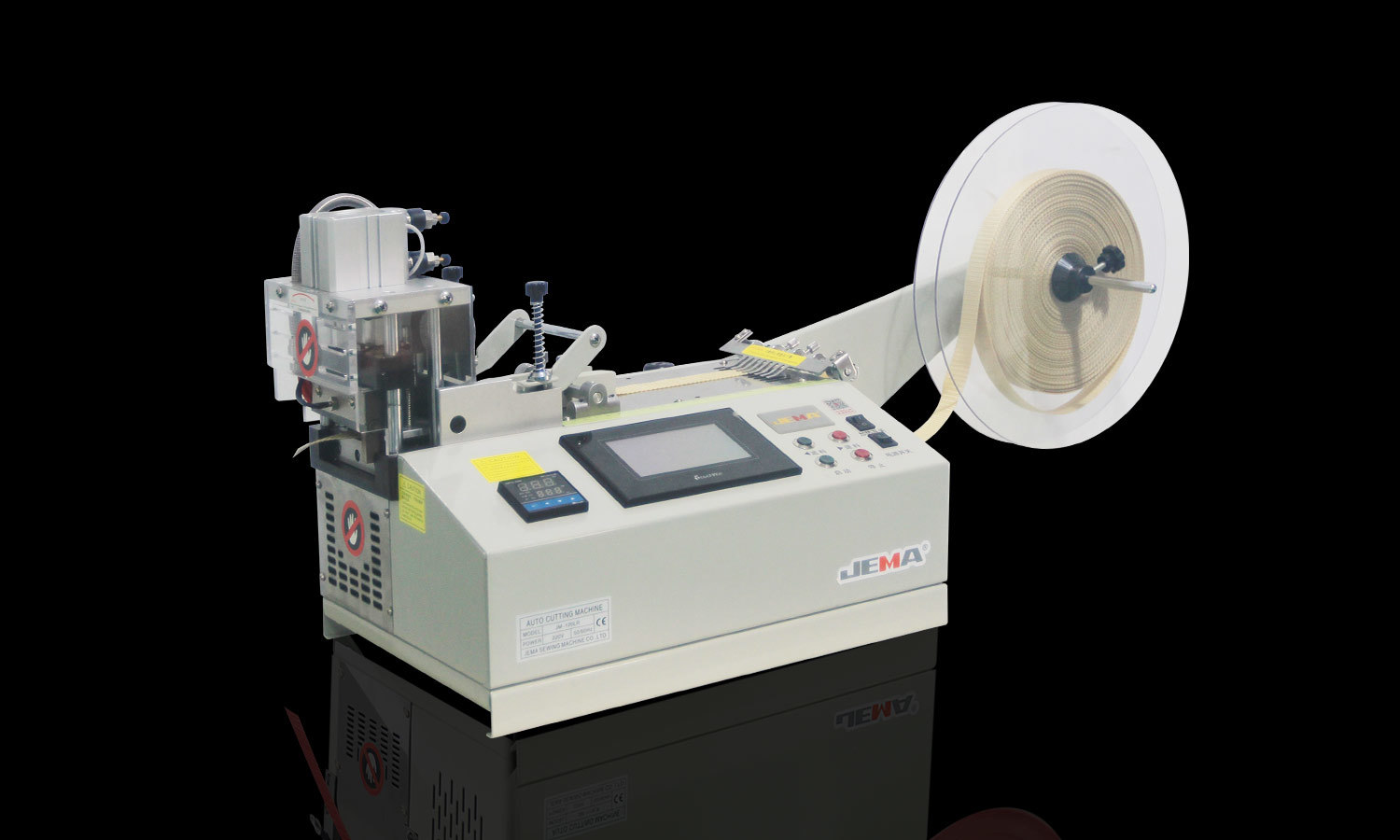
土耳其语Computer tape cutting machine (hot knife) JM-120H
The JM-120H Computer Tape Cutting Machine (Hot Knife) is a solid choice when you need clean cuts wit...
Tape is a small part of many everyday production and packaging tasks. It may be used to close a package, hold a component in place, protect a surface, group materials, or prepare a product for shipment. The action of cutting tape may seem simple, but repeated cutting can take up a surprising amount of attention during a working day.
In many workplaces, tape is still prepared manually. An operator pulls the tape, measures the needed length by hand, cuts it, and then repeats the same action. When the task appears only once or twice, this process may not seem important. When it becomes part of a repeated workflow, however, the way tape is handled can influence the overall working experience.
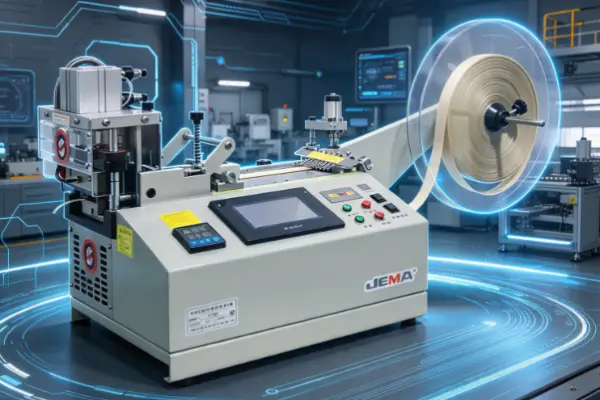
An Automatic Tape Cutter brings a different approach. Instead of making every cut a separate manual action, the machine can take over the cutting stage as part of a more organized process.
This does not mean that every tape-related task needs automation. The value depends on the work itself. For businesses handling repeated packaging, assembly, sealing, or preparation tasks, however, automatic tape cutting can become a practical part of everyday operations.
Automation is not limited to large production equipment. It can also appear in small tasks that are repeated throughout a workflow.
Tape cutting is a good example. The task usually has a simple purpose, but it can appear many times during packaging or assembly. An operator may need to reach for the tape, pull it from the roll, cut it, and return to the main task. Each action takes only a short time, yet the same sequence can occur again and again.
This creates an interesting situation. The cutting task itself may not require much decision-making, but it still requires attention and physical movement.
An Automatic Tape Cutter changes this relationship. The operator can work with a prepared cutting process instead of manually performing every cut.
This can make the workflow easier to organize. It also allows businesses to look at tape cutting as a separate step that can be improved rather than treating it as an unavoidable manual action.
| Traditional Tape Handling | Automated Tape Handling |
|---|---|
| Tape is pulled manually | Tape preparation becomes more organized |
| Each cut requires operator action | Cutting can be handled by the machine |
| Repeated hand movements are common | Repeated cutting work is reduced |
| Tape preparation is mixed with other tasks | Tape cutting can become a separate workflow step |
| Process may vary between operators | A more consistent working routine can be created |
The shift is not simply about replacing a person with a machine. It is about deciding which parts of a workflow need human attention and which repetitive actions can be handled differently.
The noticeable change is the separation between tape preparation and the rest of the job.
With manual cutting, an operator often performs several actions in sequence. The tape needs to be located, pulled, cut, and handled before the main task can continue. An automatic system can make this preparation more structured.
The operator can focus on the product or package while the cutting process is handled as part of the equipment's normal operation.
This can be useful in workplaces where tape is used repeatedly. Packaging stations are one example. A worker may need pieces of tape throughout the packing process. Instead of cutting each piece from a roll by hand, the equipment can become part of the station itself.
Assembly work presents another example. Tape may be used to temporarily hold parts, secure materials, or support product preparation. When the same action is repeated across many products, automatic cutting can make the task easier to organize.
The change may seem small, but small workflow changes can influence how a workstation operates.
An Automatic Tape Cutter also encourages businesses to think about tape as a prepared material rather than simply a roll sitting on a workbench. Once cutting becomes an organized step, it can be integrated into the wider process.
Automatic tape cutting can fit many workflows because tape itself has a wide range of uses.
Packaging is an obvious application. Boxes, cartons, bags, protective materials, and other packages may require tape during preparation. When packaging follows a repeated routine, tape cutting can become a regular part of the process.
Manufacturing and assembly also create opportunities. Tape can be used for holding, joining, protecting, or positioning materials during production.
Electronics-related work may involve small pieces of tape during product preparation or component handling. In this setting, having tape prepared through a dedicated cutting process can help keep the workstation organized.
Logistics operations may also use tape regularly. Products often need to be secured or prepared before storage and transportation. A more organized tape cutting process can fit naturally into packing stations.
Printing and paper-related work can involve tape for bundling, packaging, or temporary fixing. Furniture production and other assembly-based operations may also have repeated tape-related tasks.
| Work Area | Possible Tape Application |
|---|---|
| Packaging | Closing and securing packages |
| Assembly | Holding or joining materials |
| Manufacturing | Product preparation and protection |
| Electronics work | Handling and securing components |
| Logistics | Preparing goods for storage or shipment |
| Printing | Bundling and packaging |
| Furniture production | Temporary holding and assembly support |
| General workshops | Repeated tape preparation |
The important factor is not the industry name alone. The actual workflow matters more. A workplace that uses tape occasionally may have little reason to automate the cutting step. A workplace where tape appears throughout the day may have a stronger reason to consider it.
Repetition is one of the main reasons businesses look at automation.
A task can be easy and still become tiring when it is repeated many times. Manual tape cutting often involves similar hand movements over and over. The operator needs to reach for the tape, pull it, separate it, and continue with the next task.
An Automatic Tape Cutter can take part of this repetitive sequence out of the operator's routine.
This does not necessarily mean that the entire packaging or assembly process becomes automated. Instead, one small step is handled by equipment while the operator remains responsible for the broader task.
That distinction is important.
Human workers are still needed to make decisions, inspect products, arrange materials, handle unusual situations, and complete many other parts of the workflow. Automatic tape cutting simply gives them another way to manage a repetitive preparation task.
There can also be a practical benefit in workstation organization. When tape is prepared in a controlled way, operators do not need to improvise the cutting process each time.
The result is a workflow that can feel more structured.
For businesses, this can also make it easier to divide responsibilities between people and equipment. Instead of asking an operator to perform every small action manually, the workplace can identify repetitive steps that are suitable for equipment-assisted handling.
A workstation is more than a table with tools placed on it. Its arrangement affects how people move, where materials are stored, and how each task connects to the next.
Tape is often placed close to the point where it is needed. If cutting is done manually, the operator may need to handle the tape while also managing the product. This can create unnecessary movement.
An Automatic Tape Cutter can be positioned as part of the workstation and treated as a dedicated tool for tape preparation.
This approach allows businesses to consider the complete working sequence.
For example, a packaging station may involve:
When tape preparation has its own place in this sequence, the process becomes easier to understand. The operator knows where the tape comes from and when it is needed.
This type of organization can also support different workstation layouts. Some workplaces may need a compact setup. Others may have more room for separate preparation areas.
The equipment therefore becomes part of workflow design rather than an isolated machine.
This is one reason automatic tape cutting can be relevant even to businesses that are not pursuing large-scale automation. Automation can start with a small repeated task.
Choosing an automatic tape cutter should begin with the actual job rather than the equipment itself.
A business can examine how tape is currently used and identify where the repeated work occurs.
Several questions can help:
The answers can show whether automation is relevant.
The type of tape also matters. Different products may have different handling characteristics. A business should consider whether the intended tape is suitable for the selected equipment and whether the finished cut meets the needs of the application.
The final product should also be considered. A tape piece used to close a package may have a different role from one used to hold a component during assembly.
Workplace conditions are another consideration. Operators need to understand how the equipment fits into their existing routine. Clear instructions and sensible workstation organization can make the transition easier.
Automation works better when it solves a real workflow problem.
Consistency is another reason businesses may consider automatic tape cutting.
When tape is cut manually, the process can depend on the person performing the task. One operator may develop a particular working rhythm, while another may handle the same job differently.
An automatic process can provide a more defined routine for tape preparation.
This does not mean every cut or application will automatically produce the same result. The finished outcome can still depend on the tape, the product, the way the tape is applied, and the overall workflow.
However, creating a clear cutting process can reduce unnecessary variation in the preparation stage.
This can be particularly useful when several operators share the same workstation or when a business wants to create a more organized production routine.
A defined tape cutting process can also make training easier to structure. Instead of teaching every worker a personal way of cutting tape, the workplace can establish a standard method for using the equipment.
That creates a clearer relationship between the tool and the task.
The benefit is not simply mechanical. It can also be organizational.
Workplaces continue to change as businesses look for practical ways to manage repetitive work. Not every change involves large machines or complete production systems.
Small tools can also become part of this shift.
Automatic Tape Cutters are positioned within this space. They address a simple task that appears across many different working environments. Their role can therefore change according to how businesses use tape.
One workplace may use the equipment for packaging. Another may integrate it into assembly. A third may use it for general material preparation.
This flexibility makes automatic tape cutting relevant to different workflow designs.
The idea is also broader than cutting tape. It reflects a wider approach to workplace automation in which small repetitive actions are reviewed and reorganized.
When a business examines its daily operations closely, it may find that many small tasks are connected. Tape preparation is one of them. Separating this task from the main work can help create a more structured process and give operators more room to focus on activities that require direct attention.
As automation becomes part of more everyday workplace processes, equipment such as an Automatic Tape Cutter can occupy a practical place between manual tools and larger automated systems. Its role begins with a simple action, but that action can connect with packaging, assembly, logistics, manufacturing, and many other routine operations.
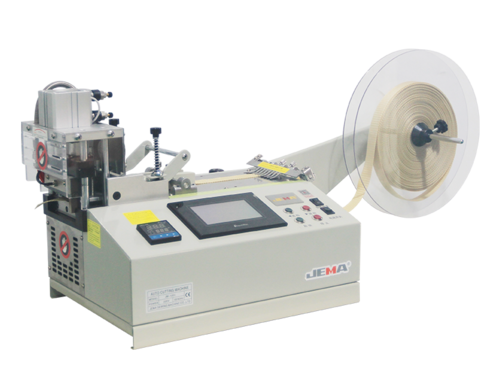
The JM-120H Computer Tape Cutting Machine (Hot Knife) is a solid choice when you need clean cuts wit...
.png?imageView2/2/w/500/h/500/format/jp2/q/100 "Multifunctional computer tape cutting machine (cold, hot) JM-150LR")
Fully automatic cutting, simple operation, wide application range, high cutting quality, smooth c...
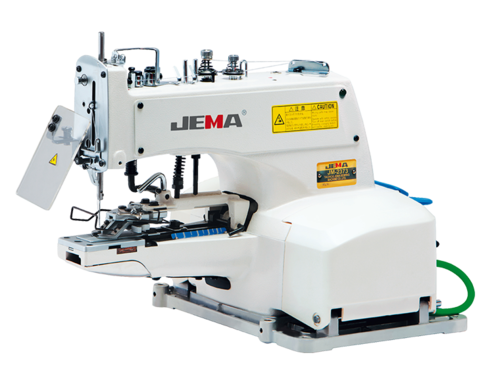
Features Quickly adapt to a variety of sewing requirements. Corresponding to the changes in sewing...
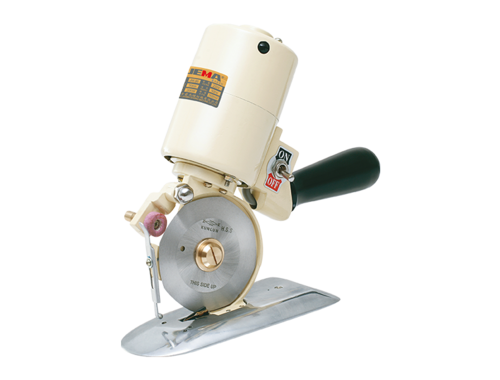
Features The JM-60/70 miniature cutting machine is suitable for cutting curves, small arc...

25 Years specializing in the production of various cutting machines.
©2021 Taizhou JEMA Sewing Machine Co., Ltd. Custom Elastic Tape Cutting Machine Manufacturers


 +86-576-88177528
 +86-576-88172167
 367# Guangxing Road, Xiachen Street, Jiaojiang District, Taizhou City, China.