

 EN
EN  英语
英语 中文简体
中文简体 西班牙语
西班牙语 越南语
越南语 葡萄牙语
葡萄牙语 土耳其语
土耳其语Button sewing machine JM-2373
Features Quickly adapt to a variety of sewing requirements. Corresponding to the changes in sewing...
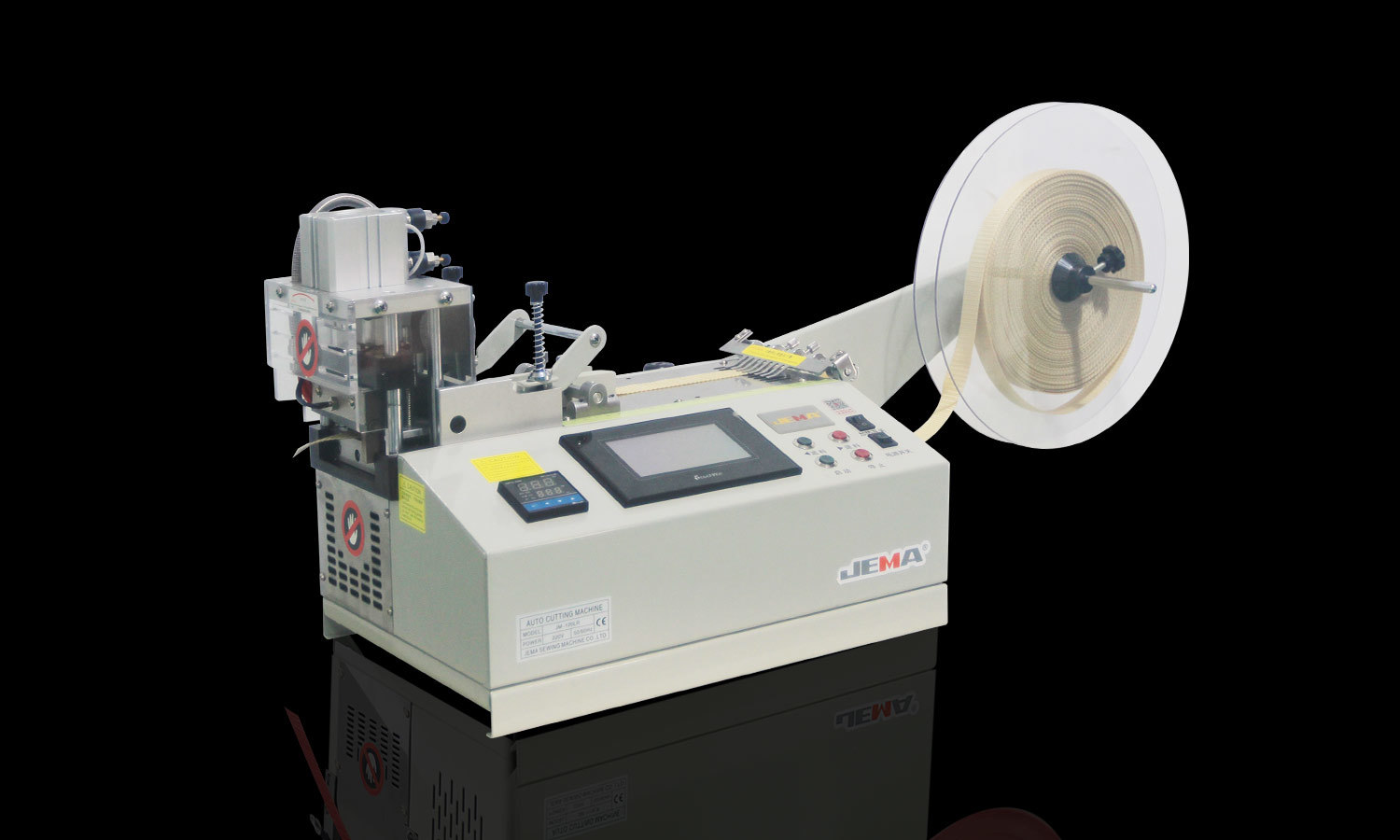
Cutting is part of many manufacturing processes. Materials often need to be divided, shaped, trimmed, or prepared before they can become finished products. The material may be soft, flexible, rigid, thin, thick, flat, or formed into another shape. Each situation can call for a different cutting method.
This is where a Cutting Machine Factory has an important role. A factory does not simply produce one type of machine and use the same design for every application. Different materials and production needs can lead to different machine structures, cutting methods, and operating arrangements.
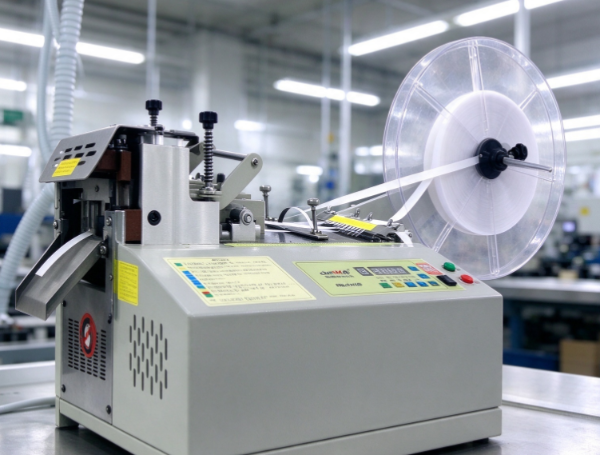
A factory may produce equipment for general material cutting, product processing, sheet cutting, fabric cutting, packaging preparation, and other manufacturing tasks. Some factories also develop customized machines around a customer's material, product shape, or production process.
Understanding what a Cutting Machine Factory produces can help buyers identify the type of equipment that may fit their production needs.
A Cutting Machine Factory may produce several types of cutting equipment. The exact product range depends on the factory's manufacturing capabilities and the applications it serves.
Some machines are designed for cutting flat materials. These machines can be used when the material arrives in sheets, rolls, panels, or other flat forms. The cutting process separates the material into smaller pieces or creates a required shape.
Other machines are designed around specific production tasks. A machine may be developed for trimming an edge, cutting individual pieces, or preparing materials for another production stage.
There are also machines intended for different material groups. Fabric, foam, plastic, rubber, paper, packaging materials, and other products may require different approaches. The machine structure needs to match the material and the intended cutting task.
A factory may therefore offer products such as:
| Machine Category | Common Production Purpose |
|---|---|
| Sheet Cutting Machine | Cutting sheet-based materials |
| Fabric Cutting Machine | Cutting textile and flexible materials |
| Foam Cutting Machine | Processing foam into required shapes |
| Plastic Cutting Machine | Cutting plastic materials and products |
| Rubber Cutting Machine | Separating or trimming rubber materials |
| Paper Cutting Machine | Preparing paper and related materials |
| Packaging Cutting Machine | Preparing packaging materials |
| Custom Cutting Machine | Supporting specific production requirements |
The names and configurations can vary between manufacturers. What matters to the buyer is whether the machine is designed around the material and production task.
A cutting machine normally begins with a production need. The factory needs to understand what the machine is expected to do before deciding how it should be designed.
Material is one important consideration. A soft material may behave differently from a rigid material during cutting. A flexible material may move or change shape during processing. A formed product may require a different approach from a flat sheet.
The product itself also matters. Some manufacturers need to cut simple shapes. Others need to prepare materials that will later become parts of a larger product. The cutting machine may therefore become part of a wider manufacturing process.
The factory may consider several areas during development:
These factors are connected. Changing one part of the production process may affect the machine design.
For this reason, a Cutting Machine Factory may discuss the application with the buyer before production begins. This helps both sides understand what the equipment needs to accomplish.
A machine should not be viewed as an isolated product. It is part of a process. Its design needs to fit the way materials enter the machine, move through the cutting area, and leave the production stage.
Cutting machines can be used with many different materials. However, one machine design may not be suitable for every material.
Fabric is a common example. Textile materials can be flexible and may need to be held or guided during cutting. A machine designed for fabric may therefore have features that support smooth material movement.
Foam presents another type of requirement. It can have a soft structure and may be used for packaging, furniture, insulation-related products, or other applications. The cutting approach needs to match the material and the intended shape.
Plastic and rubber can also be processed with cutting equipment. These materials may appear similar in some applications, but their physical behavior can be different. The factory may need to adjust the machine design according to the material being processed.
Paper and packaging materials are another common area. Manufacturers may need to divide large material into smaller sections or prepare packaging components for later assembly.
The material itself is only part of the decision. Buyers should also explain whether the material arrives as a sheet, roll, block, panel, or finished product. This information helps the factory understand the production situation.
Cutting machines can be found in many industries because cutting is a basic manufacturing activity.
In textile production, cutting equipment can prepare fabric before sewing or assembly. The machine may help create pieces that later become clothing, home products, protective items, or other textile goods.
Packaging manufacturers also use cutting equipment. Materials may need to be divided or shaped before they are folded, assembled, printed, or combined with other components.
Plastic processing is another area. Plastic sheets and other forms can be prepared for further manufacturing. Cutting equipment may be used as part of a larger production line or as an individual processing machine.
Furniture and interior product manufacturing can also involve cutting. Foam, fabric, rubber, and other materials may need to be prepared before they are assembled into finished products.
Other applications can include:
The role of the machine can vary greatly between industries. In one factory, it may prepare raw material. In another, it may cut semi-finished products into components.
This is why application information is useful when selecting equipment. The same machine category can serve different purposes depending on how it is integrated into production.
Yes. A Cutting Machine Factory may develop customized equipment when a standard machine does not match the buyer's production needs.
Customization can relate to the material, product shape, handling method, machine structure, or overall production workflow. The purpose is to create equipment that fits the application rather than forcing the production process to adapt to an unsuitable machine.
For example, a manufacturer may need to cut a material with an unusual shape. A standard cutting machine may not provide the required working arrangement. A customized machine can be developed around the product and its handling process.
Another situation involves integration. A factory may already have equipment for feeding, forming, packaging, or assembly. The cutting machine may need to work alongside those machines. In such cases, the design can be discussed around the complete production flow.
Customization may involve:
| Customization Area | Possible Requirement |
|---|---|
| Material handling | Different ways of feeding or positioning material |
| Cutting area | Structure suited to the product |
| Machine layout | Arrangement around the production space |
| Product support | Holding or guiding the material |
| Operation | Controls suited to the working process |
| Integration | Connection with other production equipment |
| Product shape | Cutting around specific product forms |
Not every custom request requires a completely new machine. Some projects may involve adjustments to an existing machine concept. The appropriate approach depends on the application.
Manufacturing processes can vary even when two companies produce similar products. One factory may focus on small product components, while another may process larger sheets or continuous material.
A Cutting Machine Factory can support these differences by offering different machine configurations and product categories. The goal is to match the equipment with the actual production environment.
Material feeding is one area where production needs can differ. Some operations may require individual material pieces to be placed into the machine. Others may use continuous material. The machine needs to accommodate the way the material enters the process.
Product handling can also affect machine selection. If the finished pieces need to move directly to another production stage, the cutting equipment may need to fit that workflow.
The operator's role matters as well. A machine should be understandable and practical to use. Clear controls and accessible working areas can make daily operation easier.
Maintenance should also be considered. Cutting equipment works as part of a production environment, so access to important components and routine maintenance can affect long-term use.
A factory that understands these differences can discuss equipment around the buyer's actual production process rather than focusing only on the machine itself.
Buying a cutting machine involves more than asking about the machine's basic function. Buyers should understand whether the equipment matches their material, product, and workflow.
The discussion can begin with the material. Buyers should explain what they need to cut and how the material is supplied. A sample or product drawing may also help when the shape is difficult to describe.
The factory should also understand the intended use. Is the machine preparing raw material? Is it producing individual components? Will the cut pieces move to another machine afterward?
These questions can help clarify the project:
The answers can help buyers compare machines based on practical requirements rather than appearance or general specifications.
The manufacturer itself can have an important influence on the purchasing process. Buyers may need more than a machine catalog. They may need help understanding which type of equipment fits their production needs.
A factory with experience in cutting equipment should be able to discuss materials, product shapes, machine applications, and production workflows in clear terms. This does not mean every factory will be suitable for every project. The important point is whether its capabilities match the buyer's requirements.
Communication is especially important for customized equipment. The buyer needs to explain the application clearly, while the manufacturer needs to understand how the machine will be used.
Buyers can review several areas when evaluating a supplier:
| Area | What Buyers Can Review |
|---|---|
| Product range | Whether the factory produces suitable cutting machines |
| Application knowledge | Understanding of different material and product needs |
| Customization | Ability to develop equipment around special requirements |
| Manufacturing | Ability to produce and assemble the machine |
| Communication | Clarity during design and production discussions |
| Service | Support for operation and maintenance |
| Production fit | Suitability for the buyer's existing workflow |
A good purchasing discussion should focus on the complete application. The cutting machine is only one part of the process. Material preparation, cutting, handling, operator use, maintenance, and downstream production can all influence whether the equipment fits the factory floor.
For buyers, understanding what a Cutting Machine Factory actually produces can make the search more focused. Instead of looking only at machine names, they can compare equipment based on material, application, product structure, customization needs, and how the machine will work within the wider manufacturing process.
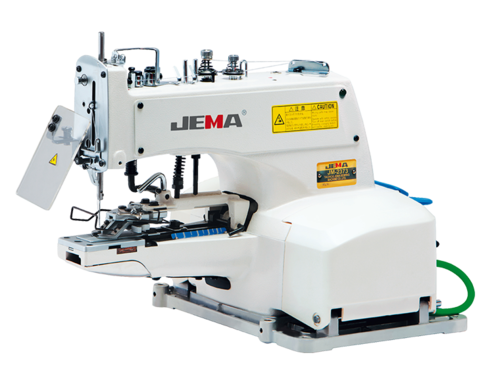
Features Quickly adapt to a variety of sewing requirements. Corresponding to the changes in sewing...
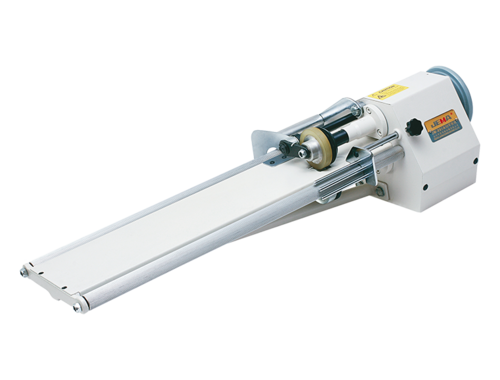
special function: This sturdy machine is completely used for the manufacture of braided belts....
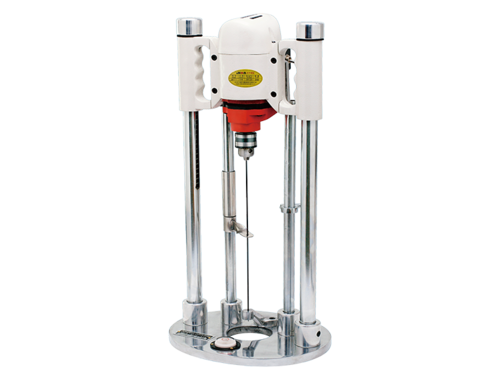
Features This machine is one of the indispensable special equipments in garment production. It...
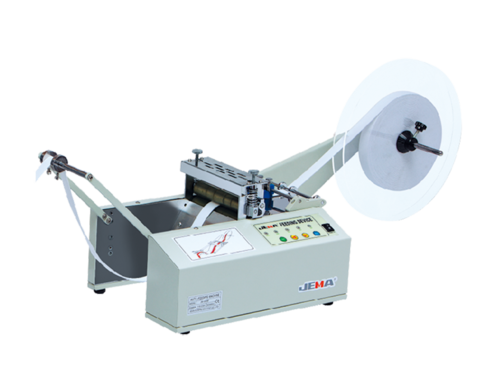
Features The fully automatic computerized belt feeder is a new type of multifunctional belt fe...

25 Years specializing in the production of various cutting machines.
©2021 Taizhou JEMA Sewing Machine Co., Ltd. Custom Elastic Tape Cutting Machine Manufacturers


 +86-576-88177528
 +86-576-88172167
 367# Guangxing Road, Xiachen Street, Jiaojiang District, Taizhou City, China.