

 EN
EN  英语
英语 中文简体
中文简体 西班牙语
西班牙语 越南语
越南语 葡萄牙语
葡萄牙语 土耳其语
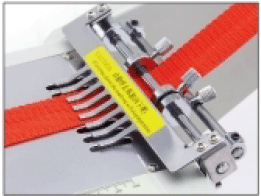
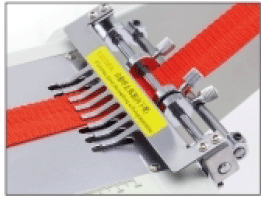
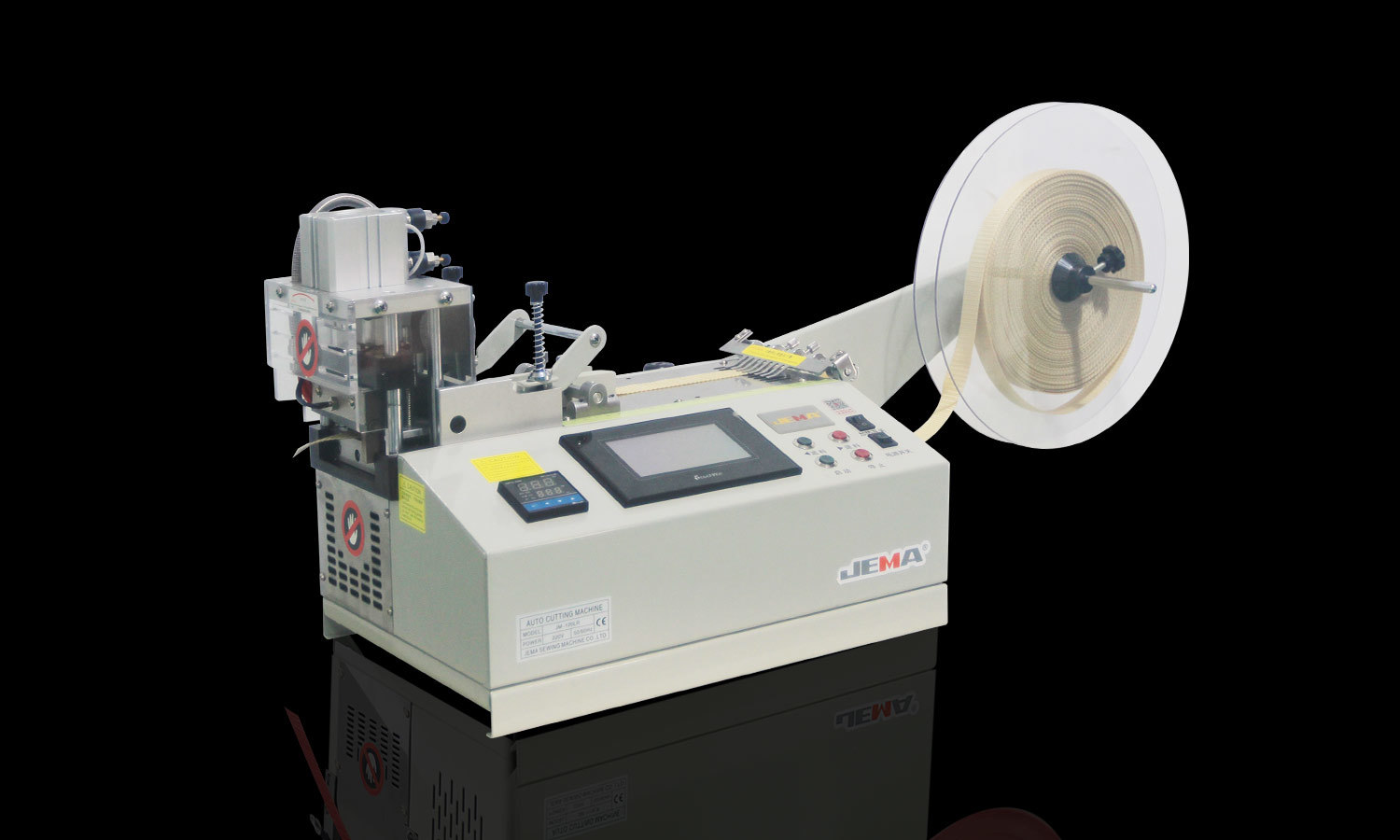
土耳其语Computer tape cutting machine (hot knife) JM-110H
Fully automatic cutting, simple operation, wide application range, high cutting quality, cold and...
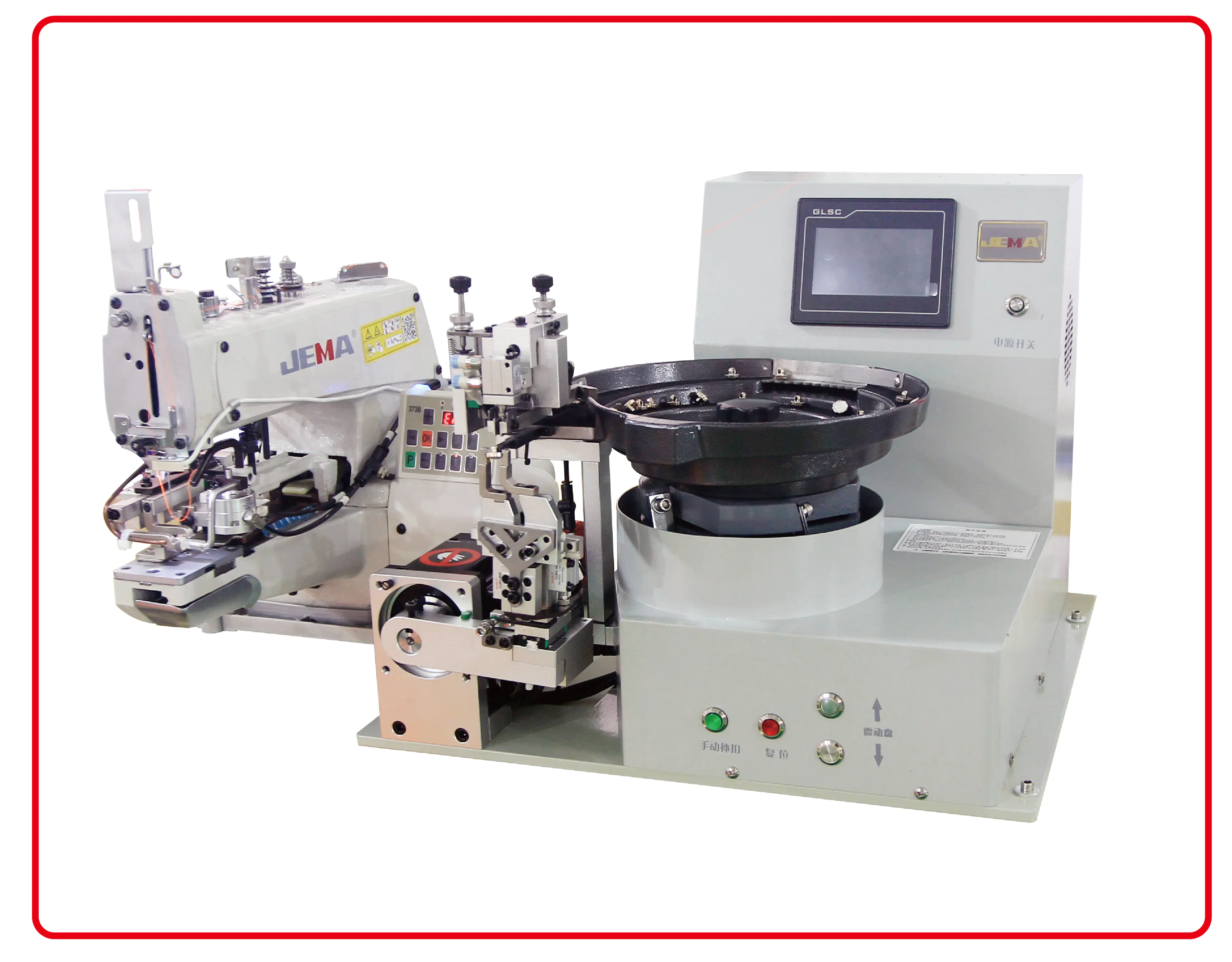
A Button Feeding Machine is an essential tool in modern garment, footwear, and accessory production, designed to automate the handling and alignment of buttons. While these machines significantly improve efficiency and consistency, operators often encounter jams or skipped feeds—commonly referred to as “jumping” buttons—which can disrupt production, increase waste, and potentially damage both the buttons and the machine. Understanding the causes of these issues and implementing effective strategies is crucial for smooth and reliable operation.
Button Size and Shape Variability
Material Properties
Improper Machine Settings
Debris and Contamination
Organized Button Placement
Batch Segregation
Anti-Static Measures
Adjust Feed Speed
Control Tension
Align Guides and Rails
Clean Feeding Channels
Inspect Components
Lubrication
Visual Observation
Sample Test Runs
Operator Awareness
Use Correct Button Types
Consistent Feeding Environment
Scheduled Preventive Checks
Reducing jams and skipped feeds in a Button Feeding Machine requires a comprehensive approach, combining proper hopper loading, careful adjustment of machine parameters, regular maintenance, and trained operators. Understanding the characteristics of buttons—such as size, shape, weight, and material—is essential for determining the appropriate speed, tension, and guide alignment. Maintaining clean feeding channels, inspecting and lubricating components, and conducting test runs further improve reliability and consistency. By implementing these practices, manufacturers can achieve smooth operation, reduce downtime, reduce material waste, and ensure high-quality production.
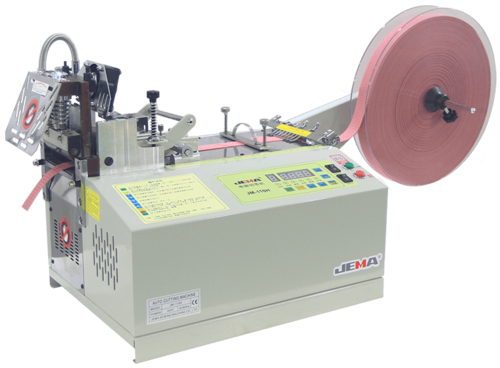
Fully automatic cutting, simple operation, wide application range, high cutting quality, cold and...
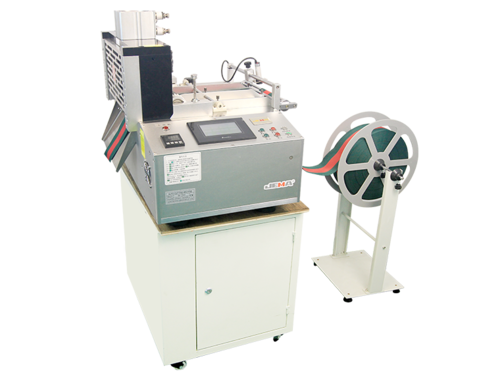
Fully automatic cutting, simple operation, wide application range and high cutting quality. Cold ...
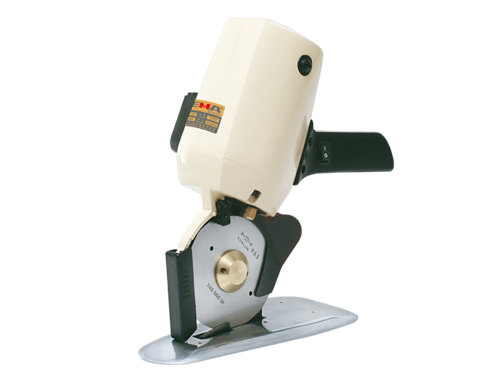
Features The JM-60/70 miniature cutting machine is suitable for cutting curves, small arcs and...
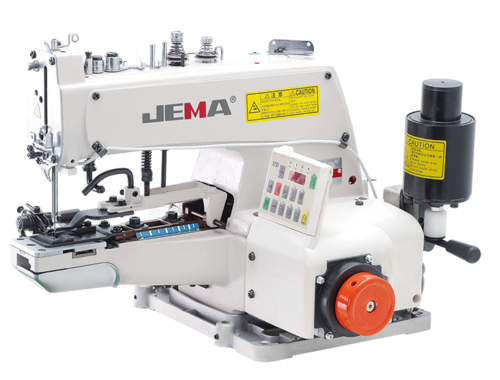
Features It is mainly used for sewing flat buttons with two holes or four holes. If attac...

25 Years specializing in the production of various cutting machines.
©2021 Taizhou JEMA Sewing Machine Co., Ltd. Custom Elastic Tape Cutting Machine Manufacturers


 +86-576-88177528
 +86-576-88172167
 367# Guangxing Road, Xiachen Street, Jiaojiang District, Taizhou City, China.