

 EN
EN  英语
英语 中文简体
中文简体 西班牙语
西班牙语 越南语
越南语 葡萄牙语
葡萄牙语 土耳其语
土耳其语Computer tape cutting machine (hot knife) JM-120H
The JM-120H Computer Tape Cutting Machine (Hot Knife) is a solid choice when you need clean cuts wit...
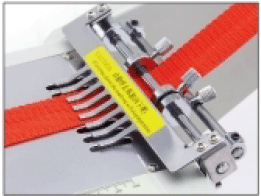
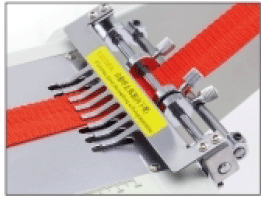
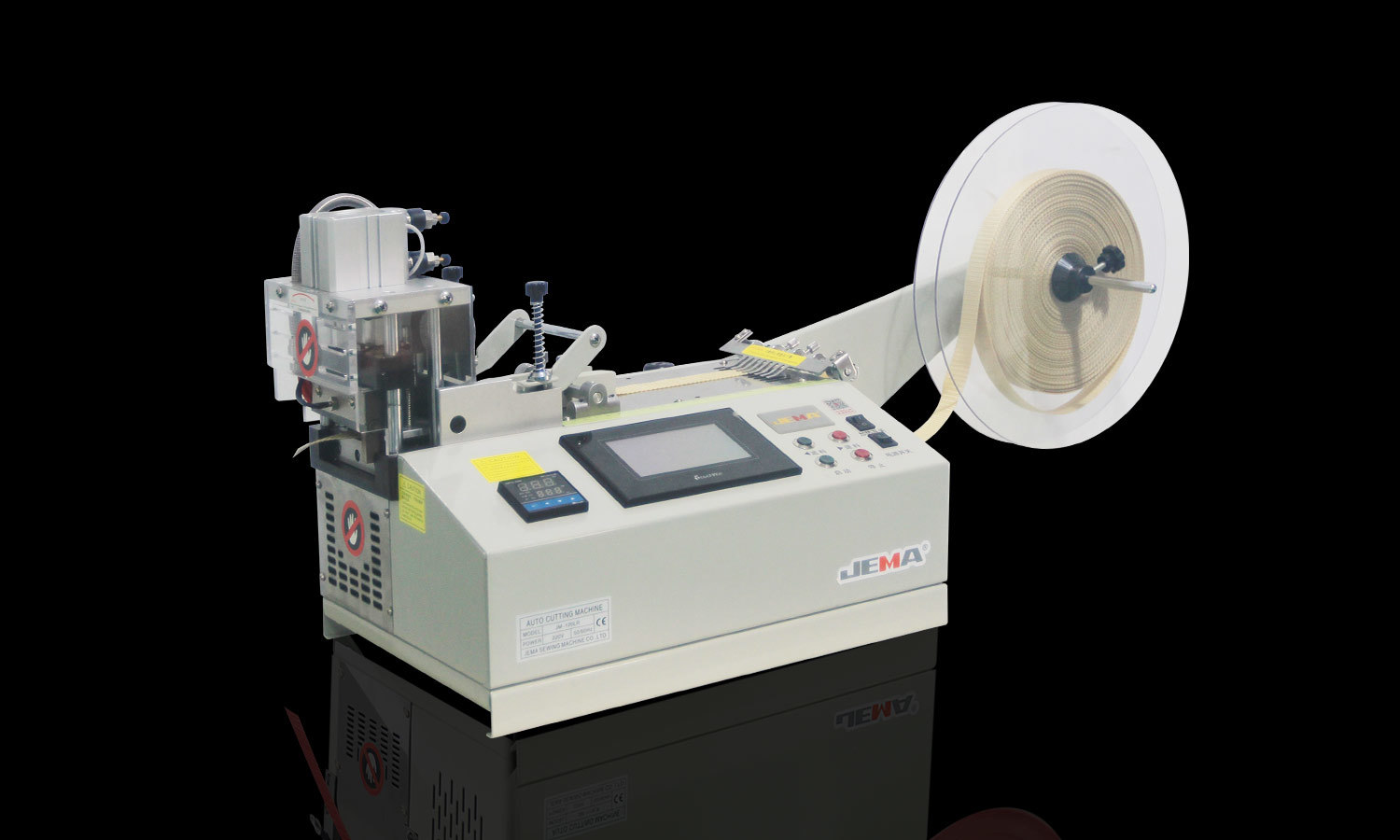
An Elastic Tape Cutting Machine must handle materials with very different stretch behaviors. High-elasticity tapes can stretch significantly under tension, while low-elasticity tapes maintain a more stable shape during feeding and cutting. These differences directly influence cutting accuracy, edge quality, speed control, and machine configuration.
Before adjusting machine parameters, manufacturers must understand how elasticity affects:
Proper adaptation ensures precision and reduces production waste.
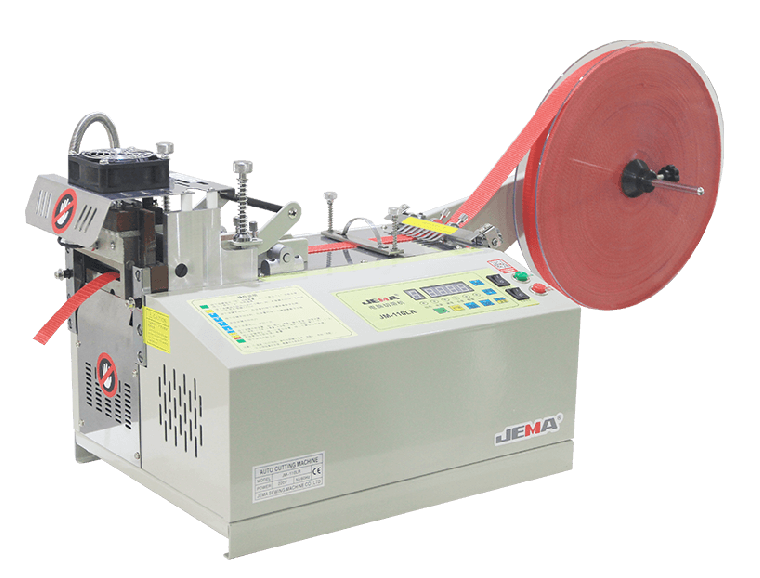
High-elastic materials, such as spandex-based tapes or highly stretchable knitted elastics, can extend dramatically under minimal tension.
Key properties:
Challenges during cutting:
Material Deformation
When processing highly stretchable tapes, operators typically adjust the following:
Optimized Blade or Heat Settings
Low-elastic materials, such as woven polyester elastics or heavy-duty industrial straps, exhibit limited stretch and stronger structural rigidity.
Typical features:
Higher density
Better dimensional consistency
Advantages during cutting:
Stable Feeding
Less sensitive to pulling force.
Easier to maintain uniform length.
Improved Precision
Reduced risk of shrinkage after cutting.
More predictable dimensional outcomes.
Less curling or deformation.
Suitable for higher cutting speeds.
Low-elastic materials generally allow smoother operation with fewer adjustments.
When using an Elastic Tape Cutting Machine on low-elastic tapes, settings may differ significantly from high-elastic processing:
Higher Feeding Speed
Stronger Clamping Pressure
Higher Cutting Force
Elasticity level also affects edge appearance and finishing:
For high-elastic materials:
For low-elastic materials:
High-elastic materials often require:
Low-elastic materials allow:
The primary difference when cutting high- and low-elastic materials lies in tension control, dimensional stability, and machine parameter adjustment. High-elastic tapes demand careful feeding, precise calibration, and controlled cutting conditions to prevent shrinkage and deformation. Low-elastic tapes provide greater structural stability, allowing higher speed and simplified setup.
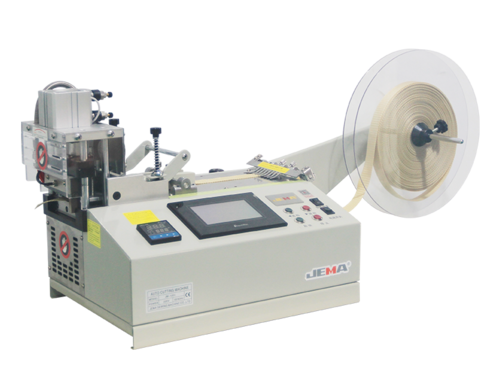
The JM-120H Computer Tape Cutting Machine (Hot Knife) is a solid choice when you need clean cuts wit...
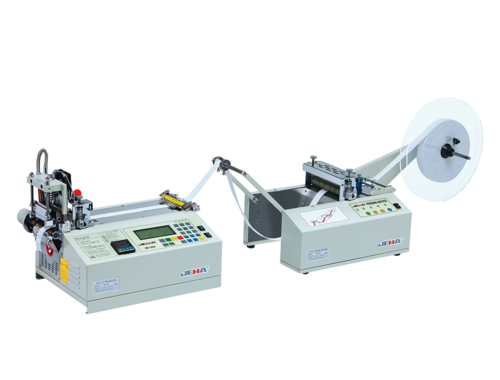
Fully automatic cutting, simple operation, wide application range and high cutting quality. ...
.png?imageView2/2/w/500/h/500/format/jp2/q/100 "Multifunctional computer tape cutting machine (cold, hot) JM-150LR")
Fully automatic cutting, simple operation, wide application range, high cutting quality, smooth c...
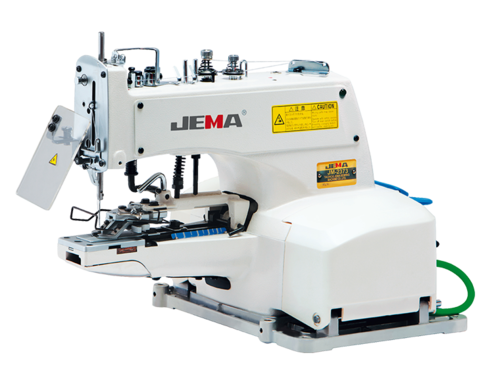
Features Quickly adapt to a variety of sewing requirements. Corresponding to the changes in sewing...

25 Years specializing in the production of various cutting machines.
©2021 Taizhou JEMA Sewing Machine Co., Ltd. Custom Elastic Tape Cutting Machine Manufacturers


 +86-576-88177528
 +86-576-88172167
 367# Guangxing Road, Xiachen Street, Jiaojiang District, Taizhou City, China.