

 EN
EN  英语
英语 中文简体
中文简体 西班牙语
西班牙语 越南语
越南语 葡萄牙语
葡萄牙语 土耳其语
土耳其语Computerized tape cutting machine (rounded corners) JM-110R
Fully automatic cutting, simple operation, wide application range and high cutting quality. Can c...
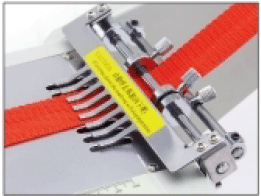
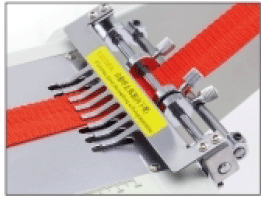
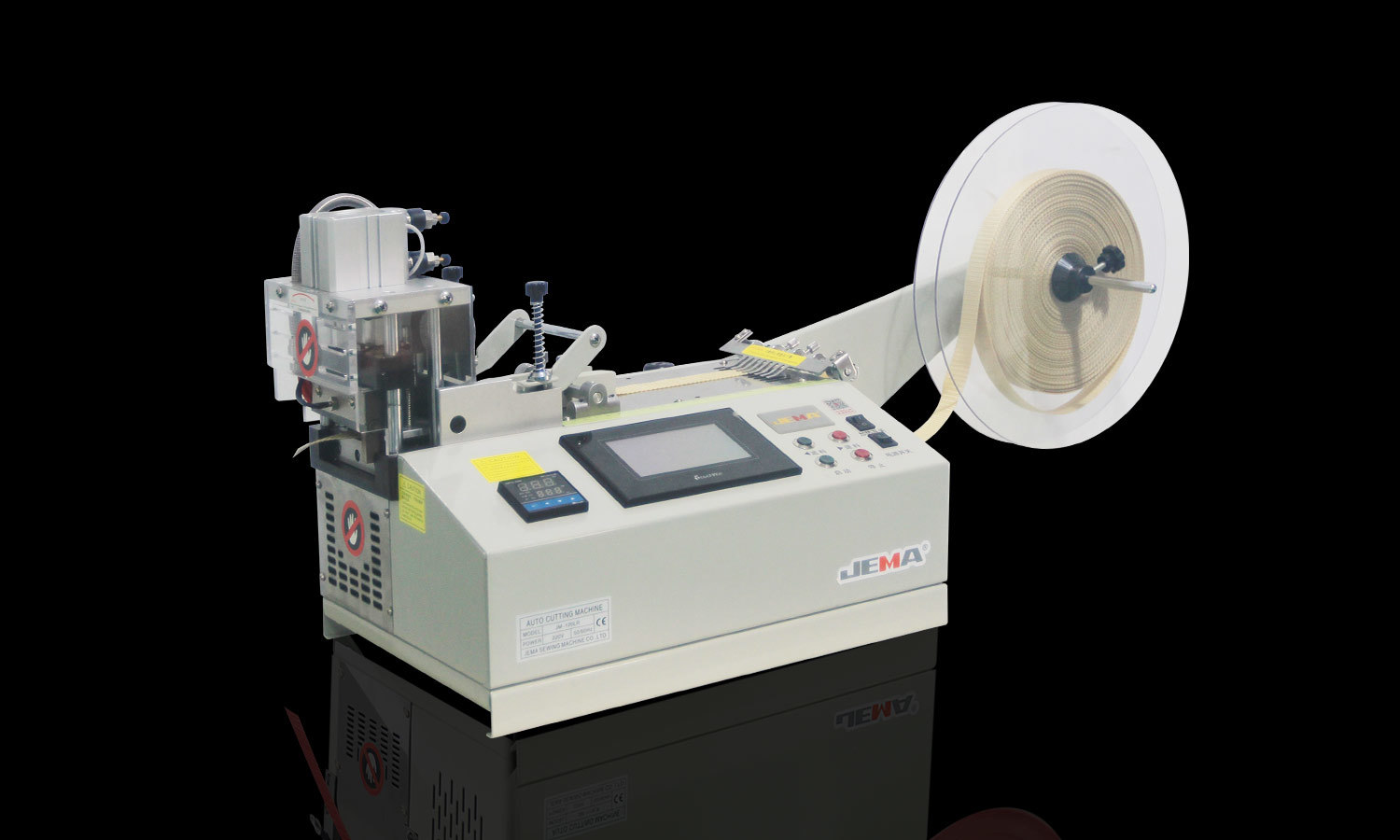
In modern textile and industrial production, selecting the correct cutting method directly affects efficiency, edge quality, and material performance. Two commonly discussed approaches are hot cutting and Elastic Cutting using mechanical blade systems. While both methods are widely used for processing elastic tapes, cords, and stretch fabrics, they differ significantly in operation principles and results.
Understanding their advantages and limitations helps manufacturers choose the appropriate solution for specific materials and production requirements.
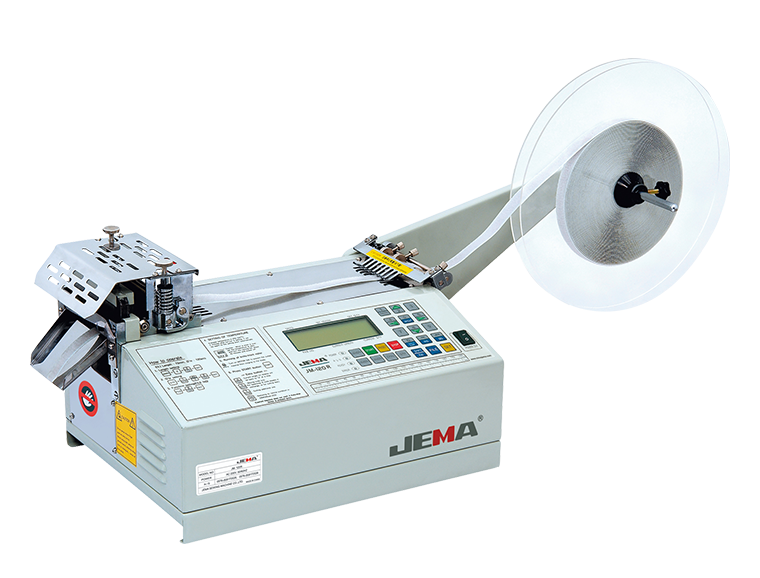
Hot cutting uses a heated blade or thermal wire to slice through elastic materials. The heat melts synthetic fibers at the cutting edge, simultaneously cutting and sealing the material.
Key characteristics:
Hot cutting provides several performance benefits in suitable materials:
Edge Sealing
Improved Efficiency
Cleaner Appearance
Dust Reduction
Limitations of Hot Cutting
Despite its benefits, hot cutting has several constraints:
Heat Sensitivity
Material Distortion
Requires continuous power to maintain blade temperature.
Odor and Fumes
Mechanical cutting relies on sharp blades, rotary knives, or guillotine systems to physically separate the material without heat. This approach is often referred to as Elastic Cutting in industrial contexts.
Main features:
This method works well for latex-based elastics, cotton blends, and heavy-duty straps.
Mechanical systems offer distinct operational benefits:
Material Versatility
No Heat Damage
Stable Performance
Lower Thermal Safety Risk
Mechanical systems also present challenges:
1. Fraying Risk
2. Blade Wear
Regular sharpening or replacement is necessary.
Dull blades reduce precision.
3. Fiber Debris
May produce loose threads or dust during cutting.
4. Edge Appearance
Both hot cutting and mechanical Elastic Cutting systems have clear strengths and limitations. Hot cutting excels in sealing synthetic fibers and delivering polished edges, while mechanical methods provide broader material compatibility and eliminate thermal risks.
The suitable choice depends on fiber composition, elasticity level, thickness, and production goals. A careful evaluation of material properties ensures consistent performance, reduced waste, and long-term operational efficiency.
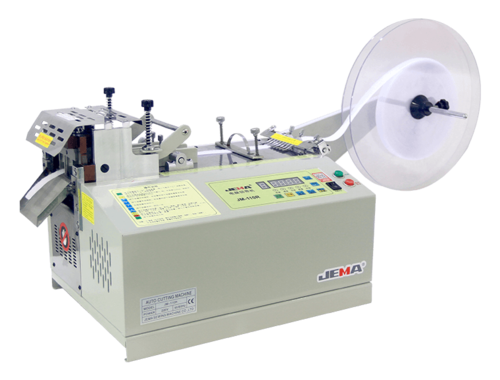
Fully automatic cutting, simple operation, wide application range and high cutting quality. Can c...
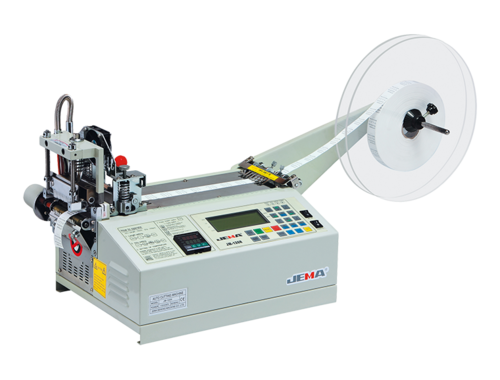
The JM-120H Computer Tape Cutting Machine (Hot Knife) is the kind of machine that makes repeat cutti...
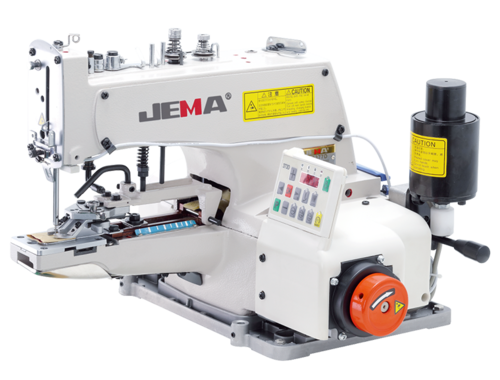
Features Quickly adapt to a variety of sewing requirements. Corresponding to the changes in sewing...
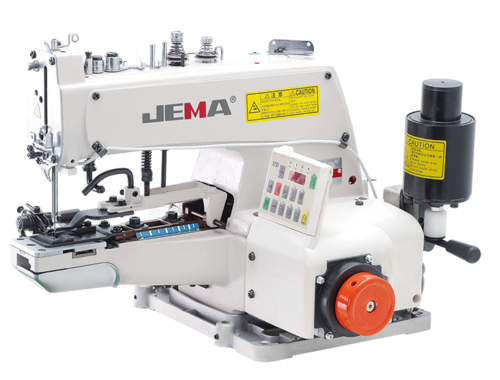
Features It is mainly used for sewing flat buttons with two holes or four holes. If attac...

25 Years specializing in the production of various cutting machines.
©2021 Taizhou JEMA Sewing Machine Co., Ltd. Custom Elastic Tape Cutting Machine Manufacturers


 +86-576-88177528
 +86-576-88172167
 367# Guangxing Road, Xiachen Street, Jiaojiang District, Taizhou City, China.