

 EN
EN  英语
英语 中文简体
中文简体 西班牙语
西班牙语 越南语
越南语 葡萄牙语
葡萄牙语 土耳其语
土耳其语Computer tape cutting machine (hot knife) JM-110H
Fully automatic cutting, simple operation, wide application range, high cutting quality, cold and...
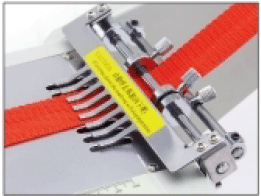
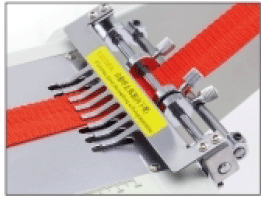
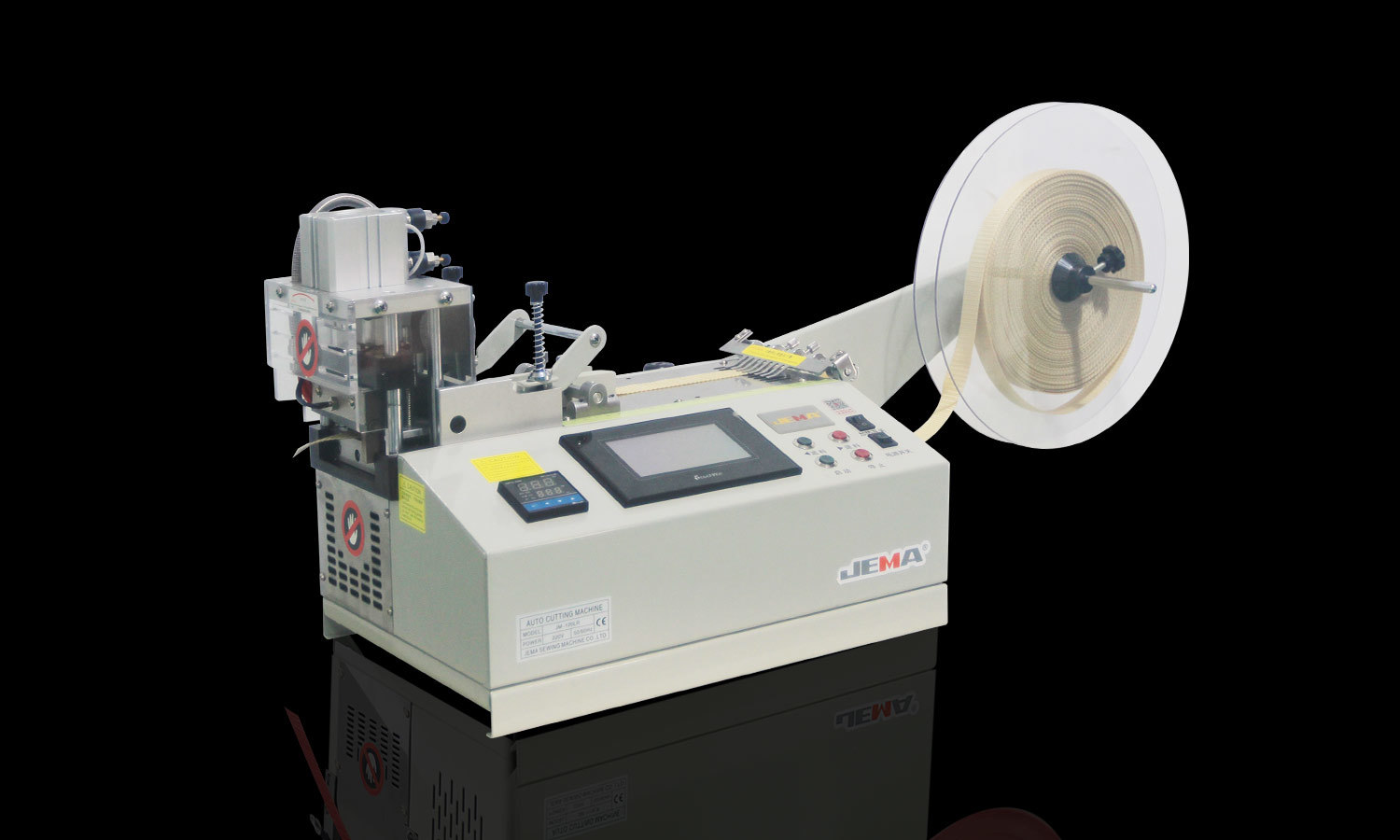
Different approaches to material cutting: In modern manufacturing, both mechanical cutting and laser-based cutting are widely used, each serving different production needs.
Focus on flexible materials: the Elastic Cutting machine is specifically designed to process stretchable materials such as elastic bands, tapes, and flexible fabrics, while laser cutting machines rely on heat energy to cut a broad range of materials.
Purpose of comparison: Understanding the strengths and weaknesses of each method helps manufacturers choose the suitable solution based on material type, cost, efficiency, and quality requirements.
.png)
Elastic cutting machines:
Laser cutting machines:
Advantages of elastic cutting machines:
Limitations of laser cutting:
Edge quality comparison:
Deliver consistent straight cuts for standardized dimensions.
Accuracy depends on blade condition, tension control, and machine calibration.
Offers extremely high precision for intricate shapes and patterns.
Computer-controlled systems ensure repeatability across complex designs.
Mechanical cutting excels in repetitive, uniform cutting tasks.
Laser cutting is ideal for custom shapes and detailed designs.
Throughput advantages of elastic cutting:
Capable of high-speed continuous operation for mass production.
Set up time for standard cutting lengths.
Laser cutting efficiency:
Slower when cutting thick or heat-sensitive elastic materials.
Requires setup time for programming and parameter adjustment.
Production environment considerations:
Mechanical cutting suits assembly-line manufacturing.
Laser systems are better for low-volume or highly customized production.
Initial equipment cost:
Operating expenses:
Return on investment:
1. Elastic cutting machines:
Require regular blade replacement and lubrication.
Maintenance is straightforward and can often be performed in-house.
2. Laser cutting machines:
Need specialized maintenance for optics, cooling systems, and electronics.
Downtime can be longer and more costly.
3. Skill level:
Mechanical cutting machines are easier to operate and train staff on.
Laser systems demand skilled technicians and programming knowledge.
Elastic cutting machines pose minimal thermal risks.
Laser cutting involves high temperatures and requires strict safety measures.
Mechanical cutting produces little to no fumes.
Laser cutting may generate smoke or odors, requiring ventilation systems.
Mechanical cutting is suitable for small or medium workshops.
Laser cutting is better suited for controlled industrial environments.
When are elastic cutting machines preferable:
When laser cutting machines are advantageous:
Both cutting technologies offer distinct advantages depending on application needs. Elastic Cutting provides efficient, cost-effective, and material-friendly solutions for processing flexible materials, while laser cutting machines excel in precision, customization, and versatility. By evaluating production volume, material sensitivity, cost constraints, and desired output quality, manufacturers can make informed decisions that optimize efficiency and long-term performance in their cutting operations.
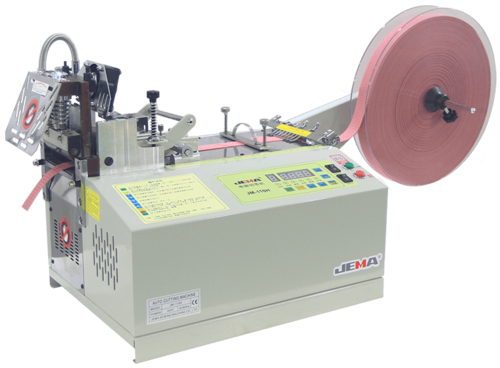
Fully automatic cutting, simple operation, wide application range, high cutting quality, cold and...
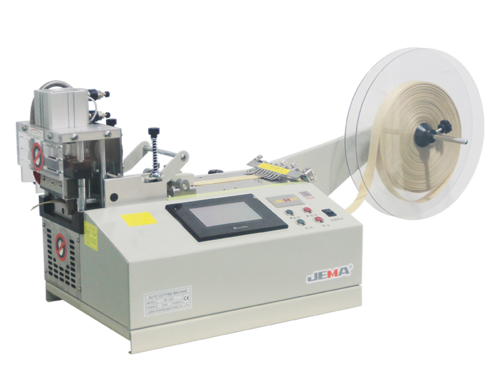
The JM-120L Computer Tape Cutting Machine (Cold Knife) is built for those repeat cutting jobs that c...
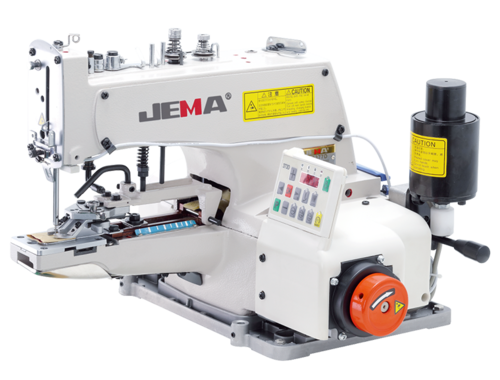
Features Quickly adapt to a variety of sewing requirements. Corresponding to the changes in sewing...
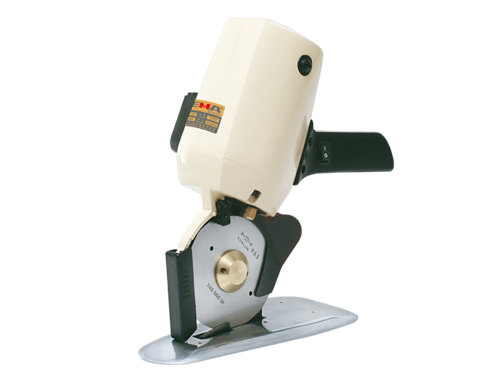
Features The JM-60/70 miniature cutting machine is suitable for cutting curves, small arcs and...

25 Years specializing in the production of various cutting machines.
©2021 Taizhou JEMA Sewing Machine Co., Ltd. Custom Elastic Tape Cutting Machine Manufacturers


 +86-576-88177528
 +86-576-88172167
 367# Guangxing Road, Xiachen Street, Jiaojiang District, Taizhou City, China.