

 EN
EN  英语
英语 中文简体
中文简体 西班牙语
西班牙语 越南语
越南语 葡萄牙语
葡萄牙语 土耳其语
土耳其语Computer tape cutting machine (rounded corners) JM-120R
Fully automatic cutting, simple operation, wide application range and high cutting quality. It ca...
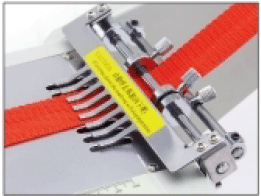
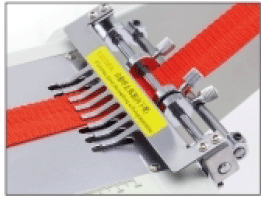
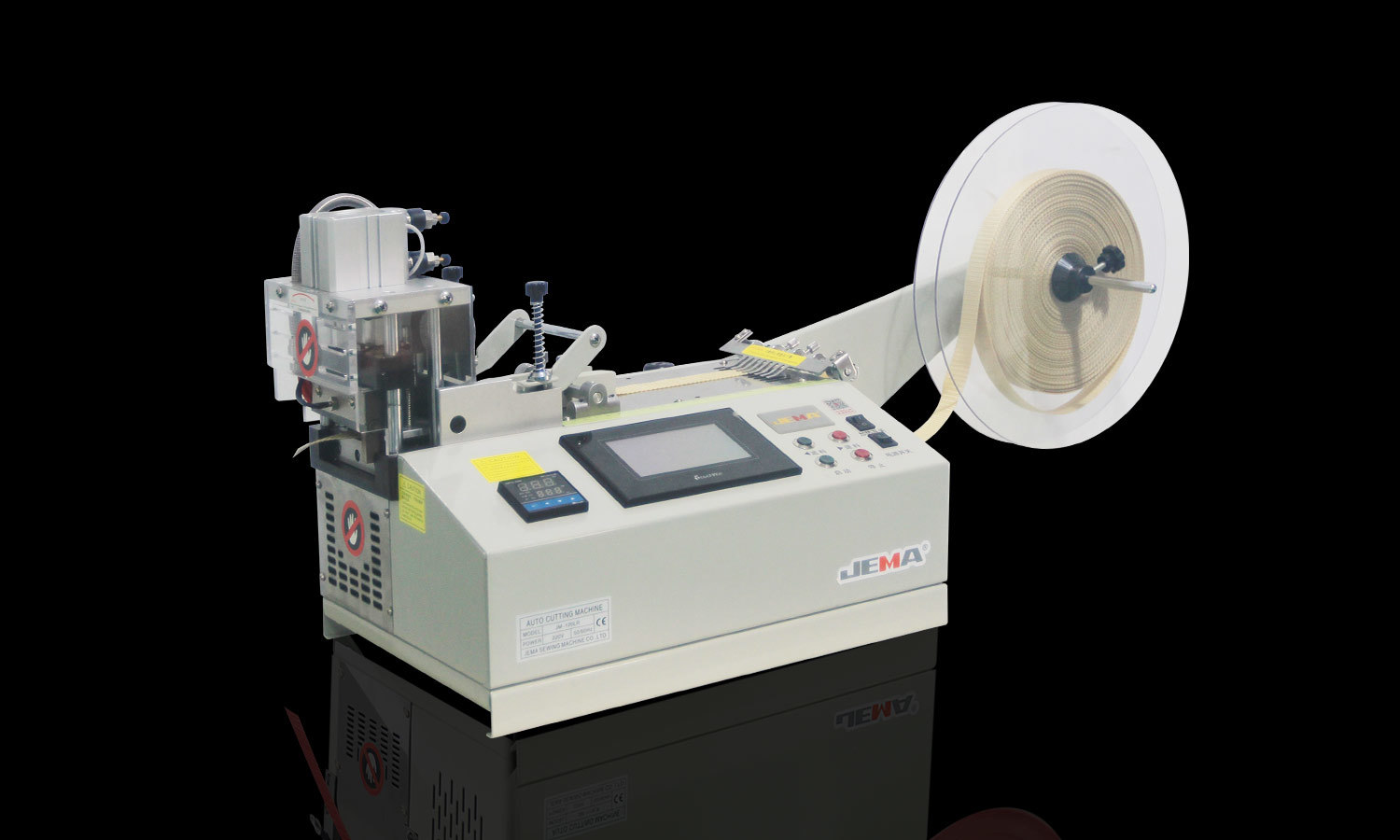
Importance of neat edges: In industries such as garments, medical supplies, and packaging, elastic tapes must have smooth edges to ensure comfort, durability, and visual quality. Rough or frayed edges can weaken elasticity and reduce product value.
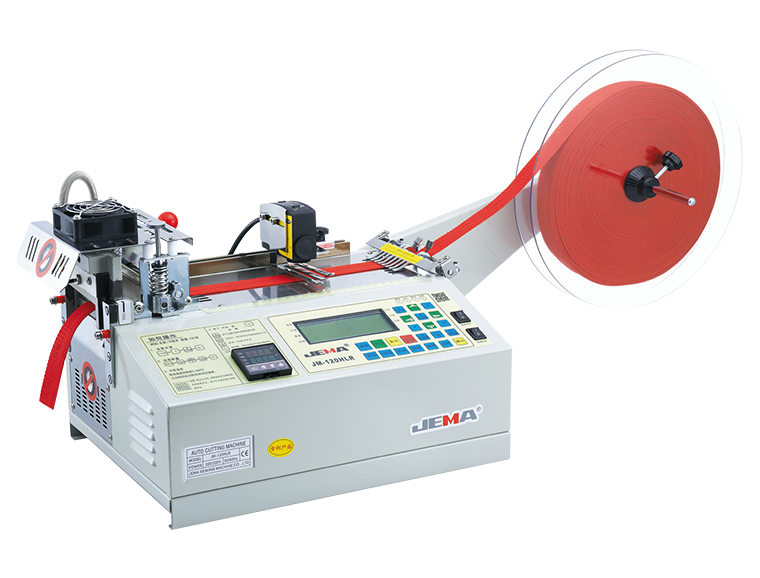
Role of specialized equipment: An Elastic Tape Cutting Machine is designed to handle flexible and stretchable materials that are difficult to process with ordinary cutting tools.
Focus on precision: Achieving straight cuts without burrs or loose fibers requires precise control over blades, tension, and speed throughout the cutting process.
Stable feeding systems:
Tension regulation:
Pre-inspection of materials:
Sharp, high-grade blades:
Appropriate blade selection:
Consistent blade pressure:
Cutting speed adjustment:
Slower speeds are ideal for soft or highly elastic materials.
Faster speeds can be used for firmer tapes without compromising edge quality.
Synchronization of feed and blade movement:
Balanced coordination prevents dragging or stretching during cutting.
Smooth motion reduces micro-tears along the edge.
Programmable control systems:
Modern machines allow operators to store suitable settings for different tape types.
Repeatable settings ensure consistent results across production batches.
Lower friction reduces fiber pulling and melting.
Proper lubrication of moving parts helps maintain smooth blade operation.
For synthetic elastic tapes, controlled heat can seal edges during cutting.
Heat prevents fraying by bonding fibers at the cut edge.
Excessive heat may harden or discolor the tape.
Precise temperature regulation ensures clean edges without material damage.
1. Proper setup procedures:
Ensuring correct alignment before operation prevents uneven cuts.
Routine calibration improves accuracy over time.
2. Continuous monitoring:
Operators should inspect edges periodically during production.
Early detection of burrs or fraying allows quick adjustments.
3. Training and experience:
Skilled operators understand how material behavior changes under different conditions.
Experience helps fine-tune settings for suitable edge quality.
Regular blade maintenance:
Machine cleaning:
Scheduled inspections:
Improved product quality:
Reduced material waste:
Higher production efficiency:
Ensuring clean, burr-free edges when cutting elastic tapes depends on a combination of material control, blade quality, optimized machine settings, and skilled operation. By using a well-calibrated Elastic Tape Cutting Machine, manufacturers can achieve precise, smooth cuts that meet high-quality standards. Attention to maintenance and process optimization further guarantees long-term performance, making clean cutting not just achievable but sustainable in continuous production environments.
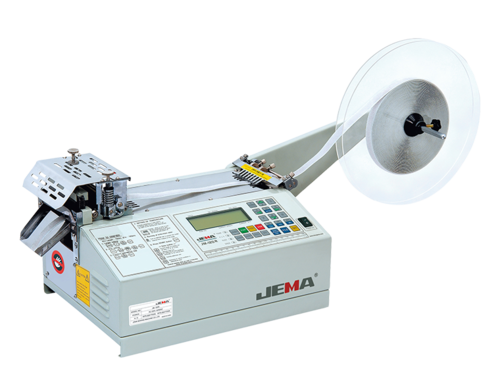
Fully automatic cutting, simple operation, wide application range and high cutting quality. It ca...
.png?imageView2/2/w/500/h/500/format/jp2/q/100 "Computer tape cutting machine (cold, hot infrared) JM-120HLR")
The JM-120HLR Computer Tape Cutting Machine (Cold, Hot Knife and Infrared) gives you a bit more room...
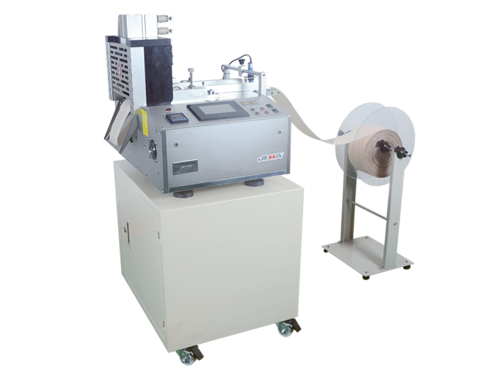
Fully automatic cutting, simple operation, wide application range, high cutting quality, cold and...
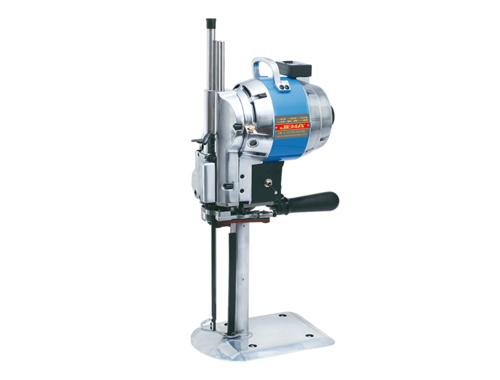
Features The JM-3D/3/103 electric cutting machine is compatible with KMCK8-EU Eastman Ele...

25 Years specializing in the production of various cutting machines.
©2021 Taizhou JEMA Sewing Machine Co., Ltd. Custom Elastic Tape Cutting Machine Manufacturers


 +86-576-88177528
 +86-576-88172167
 367# Guangxing Road, Xiachen Street, Jiaojiang District, Taizhou City, China.