

 EN
EN  英语
英语 中文简体
中文简体 西班牙语
西班牙语 越南语
越南语 葡萄牙语
葡萄牙语 土耳其语
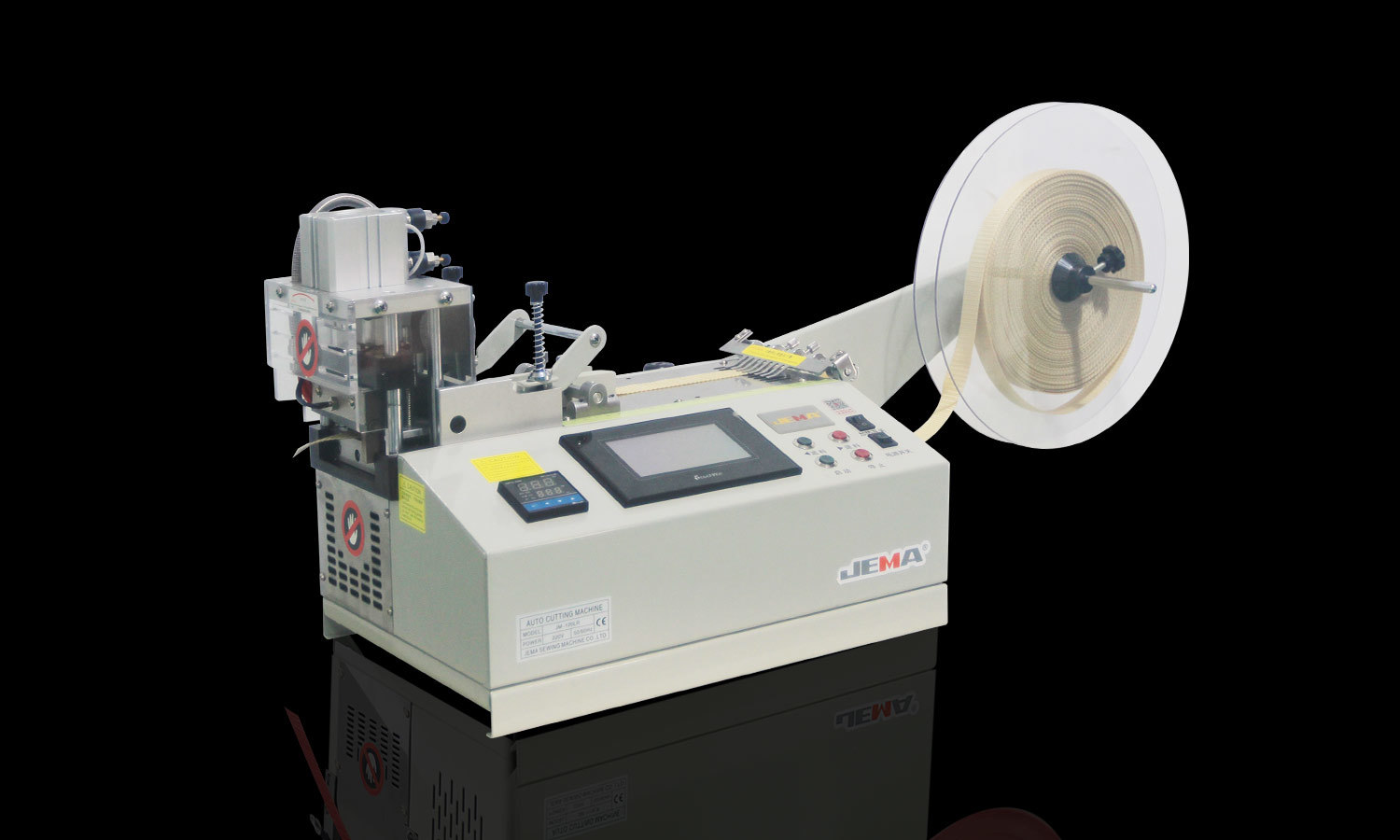
土耳其语Computer tape cutting machine (cold, hot infrared) JM-120HLR
The JM-120HLR Computer Tape Cutting Machine (Cold, Hot Knife and Infrared) gives you a bit more room...
Stable positioning:
Adequate spacing:
Environmental considerations:
Comprehensive training programs:
Operators should fully understand machine functions before use.
Training should include emergency shutdown procedures and daily inspection routines.
Clear operating guidelines:
Follow manufacturer-recommended startup and shutdown steps.
Avoid bypassing safety mechanisms or guards for convenience.
Responsibility assignment:
Designate trained personnel only to operate or adjust the machine.
Prevent unauthorized access, especially during operation.
Safety guards should enclose feeding wheels and moving components.
Covers must remain in place during operation to prevent accidental contact.
Easily accessible emergency stop buttons allow immediate shutdown.
Regularly test emergency stops to ensure proper function.
Some machines include sensors that halt operation if abnormal conditions are detected.
These features reduce risks caused by jams or misfeeds.
Proper loading techniques:
Avoid overloading:
Material inspection:
Routine inspection of connections:
Lockout and tagout procedures:
Grounding and protection:
Scheduled maintenance routines:
Regular lubrication reduces friction and prevents unexpected breakdowns.
Tighten loose components to maintain mechanical stability.
Cleaning procedures:
Remove accumulated dust or button fragments that could interfere with sensors.
Clean only when the machine is powered off and isolated.
Documentation and records:
Maintain logs of inspections, repairs, and part replacements.
Proper documentation helps identify recurring issues and improve safety planning.
Use of protective gear:
Clothing and accessories:
Maintaining focus:
1. Emergency response planning:
Clearly display emergency procedures near the machine.
Train staff to respond quickly to jams or unexpected shutdowns.
2. Incident analysis:
Review near-miss incidents to identify potential safety improvements.
Adjust procedures or machine settings based on findings.
3. Ongoing safety culture:
Encourage operators to report safety concerns proactively.
Continuous improvement ensures long-term safety and efficiency.
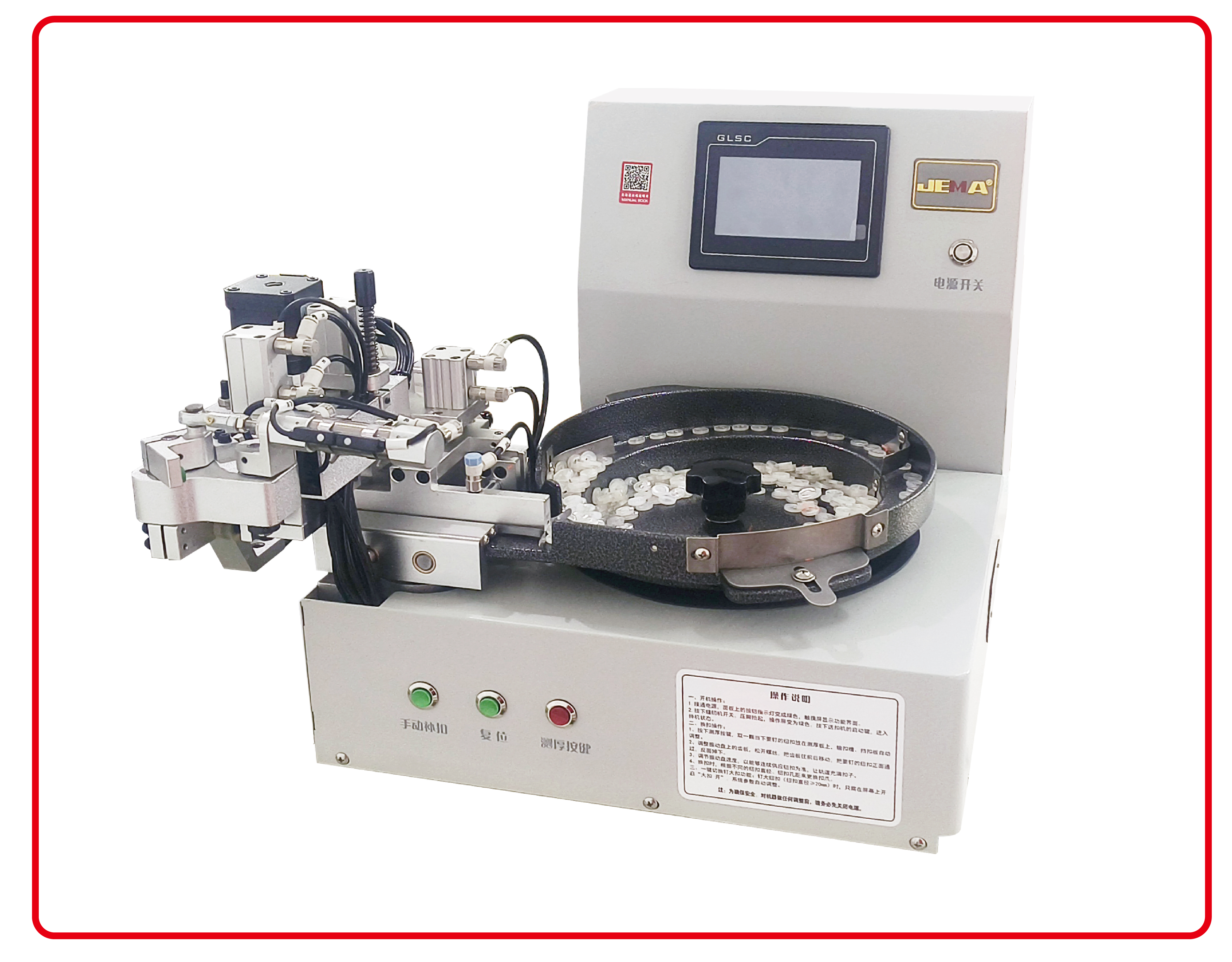
Ensuring safety during the operation of a Button Feeding Machine requires a combination of proper installation, trained operators, effective safety devices, and consistent maintenance practices. By implementing clear procedures, using protective equipment, and fostering a strong safety culture, manufacturers can significantly reduce risks while maintaining productivity. Safe operation not only protects personnel but also extends equipment lifespan and ensures stable, high-quality production outcomes.
.png?imageView2/2/w/500/h/500/format/jp2/q/100 "Computer tape cutting machine (cold, hot infrared) JM-120HLR")
The JM-120HLR Computer Tape Cutting Machine (Cold, Hot Knife and Infrared) gives you a bit more room...
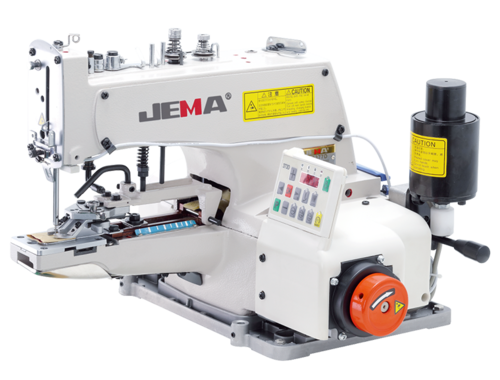
Features Quickly adapt to a variety of sewing requirements. Corresponding to the changes in sewing...
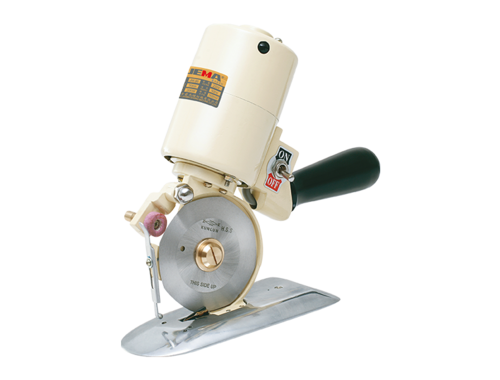
Features The JM-60/70 miniature cutting machine is suitable for cutting curves, small arc...
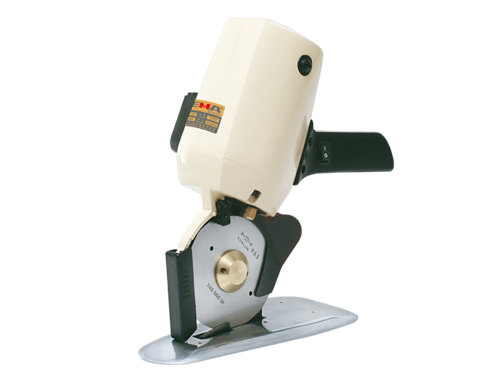
Features The JM-60/70 miniature cutting machine is suitable for cutting curves, small arcs and...

25 Years specializing in the production of various cutting machines.
©2021 Taizhou JEMA Sewing Machine Co., Ltd. Custom Elastic Tape Cutting Machine Manufacturers


 +86-576-88177528
 +86-576-88172167
 367# Guangxing Road, Xiachen Street, Jiaojiang District, Taizhou City, China.