

 EN
EN  英语
英语 中文简体
中文简体 西班牙语
西班牙语 越南语
越南语 葡萄牙语
葡萄牙语 土耳其语
土耳其语Computerized tape cutting machine (rounded corners) JM-110R
Fully automatic cutting, simple operation, wide application range and high cutting quality. Can c...
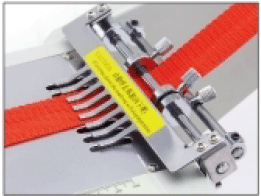
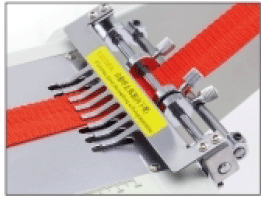
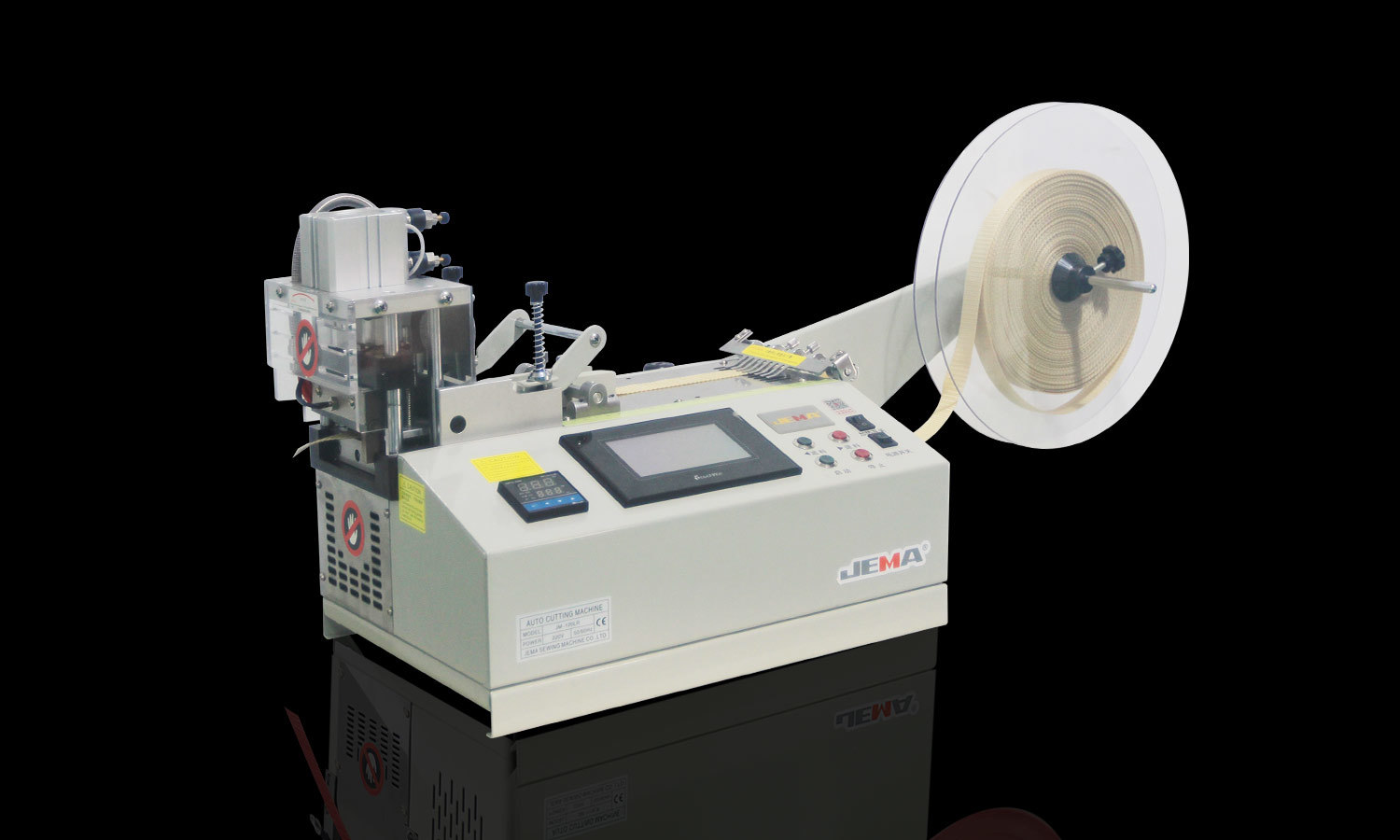
Why thickness matters: Elastic materials behave very differently depending on their thickness. Thin bands stretch easily, while thicker elastics resist deformation and require greater cutting force.
Role of modern cutting methods: Elastic Cutting is widely used in textile, medical, and industrial applications because it can be adjusted to handle these variations efficiently.
Goal of consistent results: Understanding how cutting performance changes with material thickness helps manufacturers achieve smooth edges, accurate dimensions, and stable production quality.
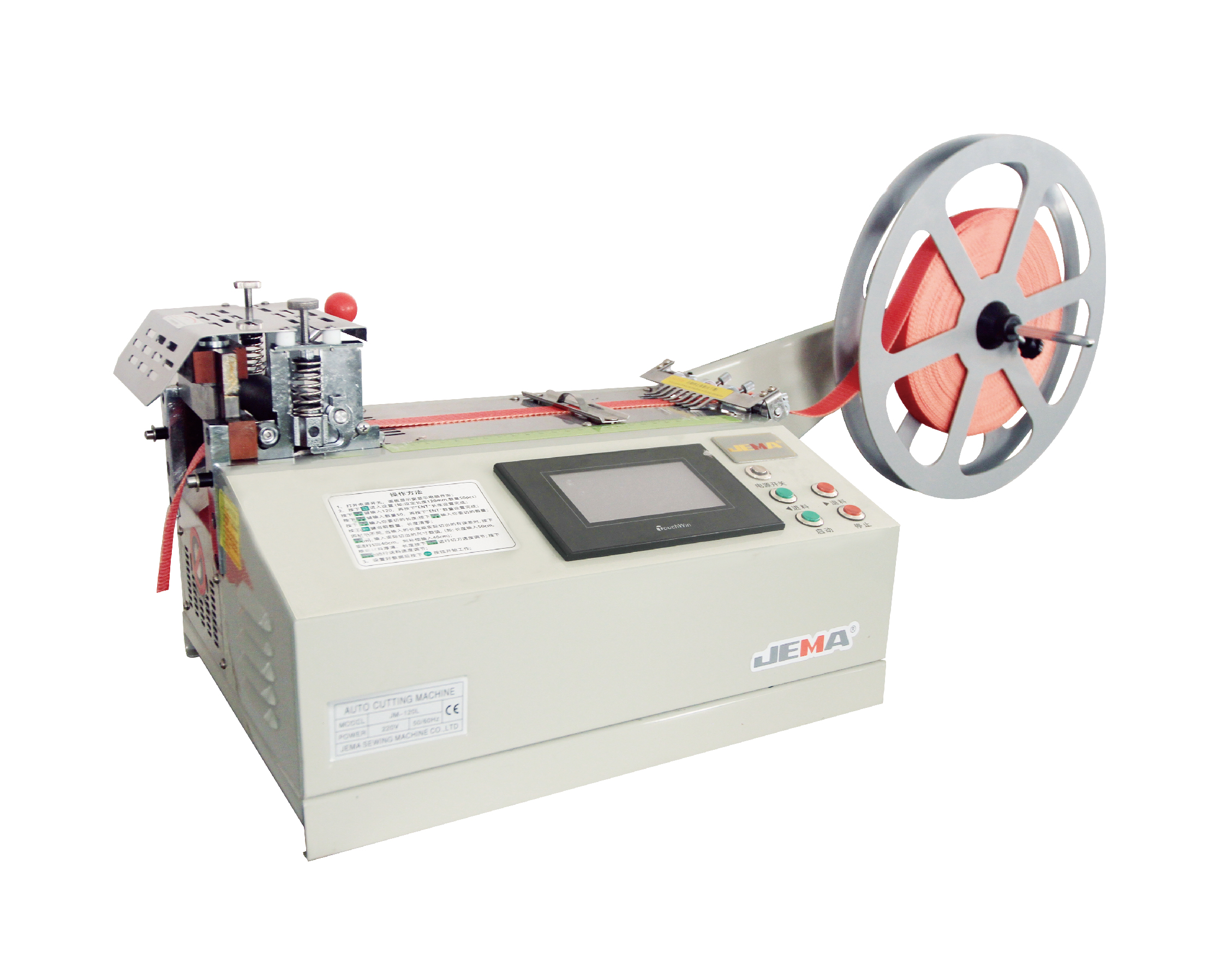
Typical examples: Lightweight elastic bands, narrow ribbons, and fine elastic fabrics.
Cutting behavior:
Cut quality considerations:
Operating practices:
Common applications: Waistband elastics, medical straps, and standard elastic tapes.
Balanced cutting response:
Medium-thickness materials offer enough resistance for stable cutting without excessive stretching.
Blade control and speed adjustments are easier compared to very thin materials.
Edge quality results:
Cuts are generally smooth and consistent when machine parameters are correctly set.
Minimal fraying occurs if blade pressure is evenly distributed.
Efficiency advantages:
Higher throughput is possible without sacrificing accuracy.
Suitable for continuous production environments requiring uniform output.
1. Typical materials: Heavy-duty elastic straps, reinforced rubber elastics, and multilayer elastic composites.
2. Cutting challenges:
Increased thickness requires greater cutting force and slower blade movement.
Resistance can cause compression before cutting, affecting edge smoothness.
3. Quality control factors:
Sharp, durable blades are essential to prevent tearing.
Consistent pressure helps avoid uneven cuts across the material width.
4. Operational adjustments:
Reduced cutting speed improves edge control.
In some cases, multiple cutting passes may be needed to maintain precision.
Highly elastic materials stretch more under tension, regardless of thickness.
Controlled tension is critical to prevent dimensional inaccuracies.
Synthetic elastics may respond differently from natural rubber-based materials.
Some materials benefit from slight heat assistance to seal edges.
Smooth surfaces cut more cleanly than textured or woven elastics.
Rough textures may require slower speeds to avoid fiber pull-out.
Blade selection:
Speed and pressure control:
Calibration consistency:
Dull blades increase friction and cause rough edges, especially on thick materials.
Scheduled sharpening or replacement ensures consistent performance.
Removing residue and fibers prevents interference with cutting accuracy.
Clean components reduce vibration and uneven force distribution.
Well-maintained machines perform reliably across varying material thicknesses.
Preventive maintenance reduces downtime and quality issues.
Improved product consistency:
Reduced material waste:
Scalable production:
The cutting performance of elastic materials varies significantly with thickness, but reliable results are achievable through proper control and optimization. Elastic Cutting can deliver clean edges and precise dimensions across thin, medium, and thick materials when blade selection, speed, tension, and maintenance are carefully managed. By understanding how thickness influences material behavior, manufacturers can improve efficiency, reduce waste, and ensure consistently high-quality outcomes in elastic material processing.
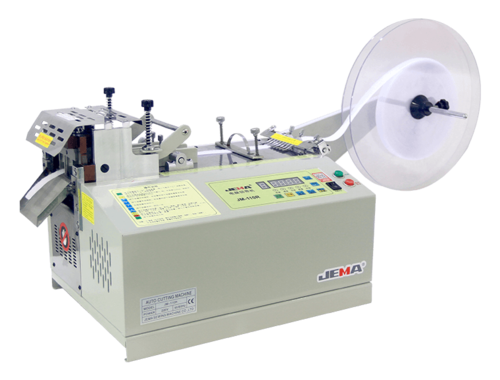
Fully automatic cutting, simple operation, wide application range and high cutting quality. Can c...
.png?imageView2/2/w/500/h/500/format/jp2/q/100 "Computer tape cutting machine (cold, hot infrared) JM-120HLR")
The JM-120HLR Computer Tape Cutting Machine (Cold, Hot Knife and Infrared) gives you a bit more room...
.png?imageView2/2/w/500/h/500/format/jp2/q/100 "Multifunctional computer tape cutting machine (corner) JM-150HX")
Fully automatic cutting, simple operation, wide application range, high cutting quality, smooth c...
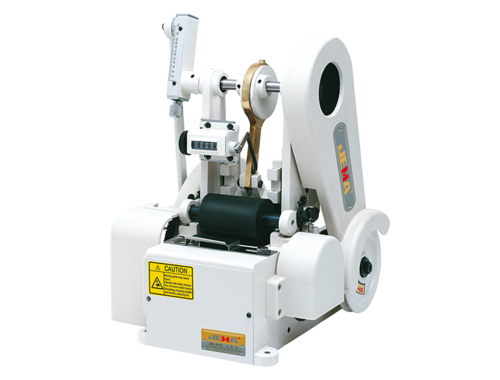
Features Shapes such as rounded corners, ellipses, full circles, etc. can be cut off. It ...

25 Years specializing in the production of various cutting machines.
©2021 Taizhou JEMA Sewing Machine Co., Ltd. Custom Elastic Tape Cutting Machine Manufacturers


 +86-576-88177528
 +86-576-88172167
 367# Guangxing Road, Xiachen Street, Jiaojiang District, Taizhou City, China.