

 EN
EN  英语
英语 中文简体
中文简体 西班牙语
西班牙语 越南语
越南语 葡萄牙语
葡萄牙语 土耳其语
土耳其语Computerized tape cutting machine (rounded corners) JM-110R
Fully automatic cutting, simple operation, wide application range and high cutting quality. Can c...
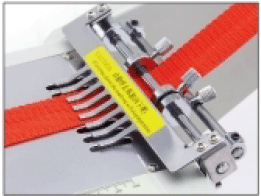
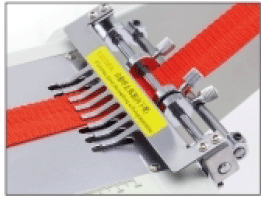
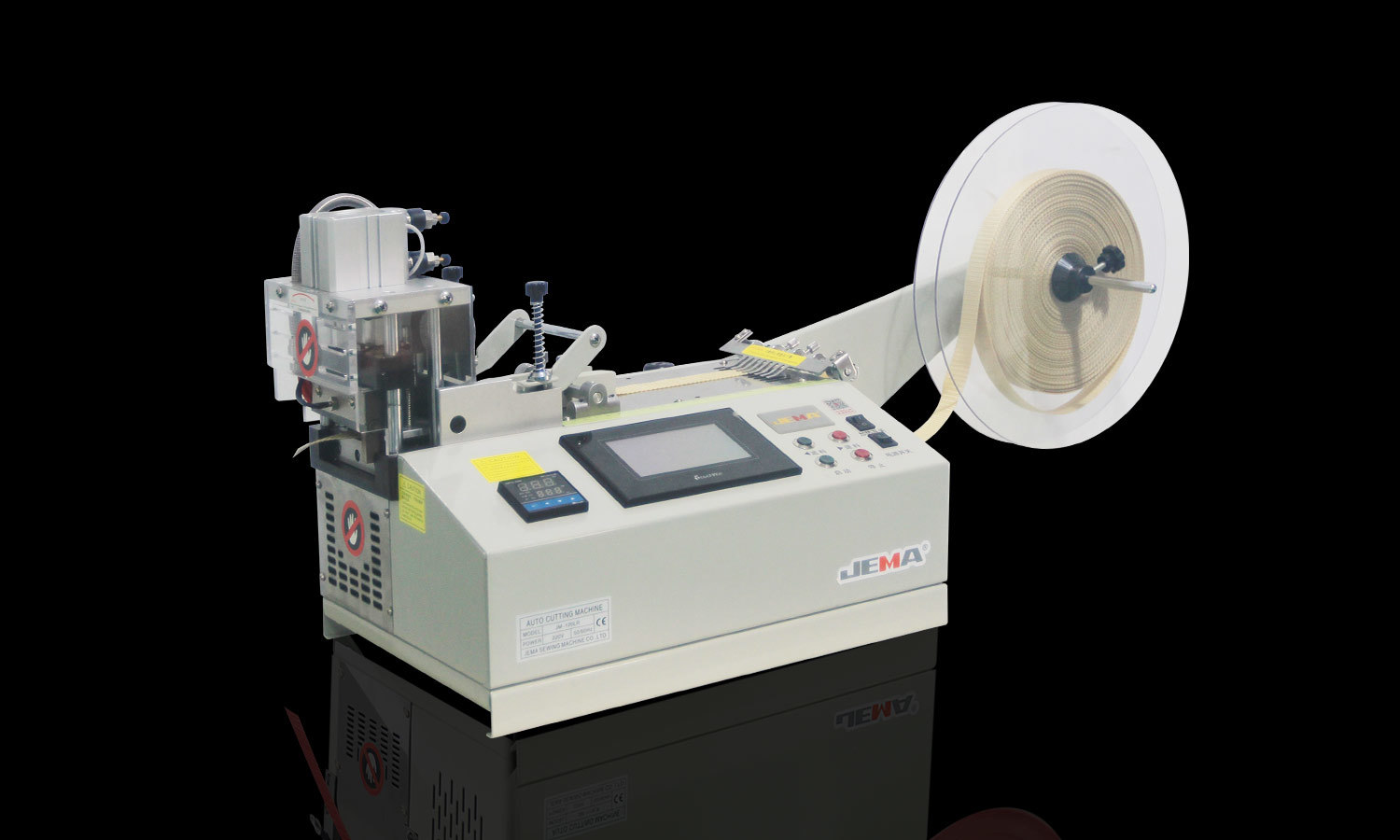
An Elastic Cutting Machine is a specialized tool used to cut stretchable materials such as elastic bands, tapes, fabrics, and other flexible polymers. The main challenge when cutting elastic materials is preventing fraying, deformation, or uneven edges. To address these challenges, several cutting methods have been developed, each suited for different materials, production volumes, and precision requirements.
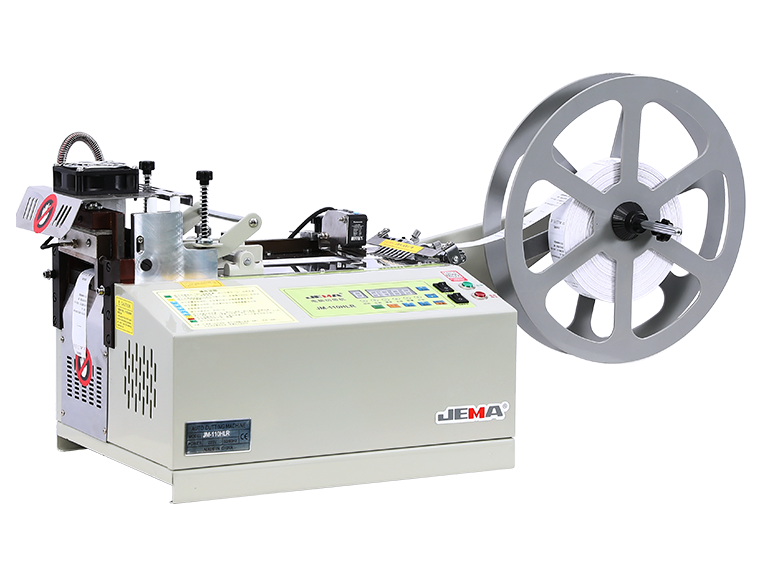
Hot knife cutting is one of the widely used methods in elastic material processing. It involves a heated blade that melts the fibers as it slices through the material.
Ultrasonic cutting uses high-frequency vibrations to slice through elastic materials while simultaneously sealing the edges.
Rotary blade cutting is a mechanical method that uses a high-speed circular blade to slice through elastic materials.
Laser cutting is a non-contact method that uses a concentrated beam of light to vaporize material.
When selecting a cutting method for an Elastic Cutting Machine, manufacturers must consider several factors:
Elastic cutting machines offer multiple cutting methods, including hot knife, ultrasonic, rotary blade, and laser cutting, each with unique advantages and limitations. Hot knife and ultrasonic methods excel at edge sealing, rotary blades are versatile for general-purpose cutting, and laser cutting provides precision for intricate designs. By carefully evaluating material properties, production requirements, and desired edge quality, manufacturers can select the suitable cutting method to optimize efficiency, reduce waste, and ensure high-quality elastic products.
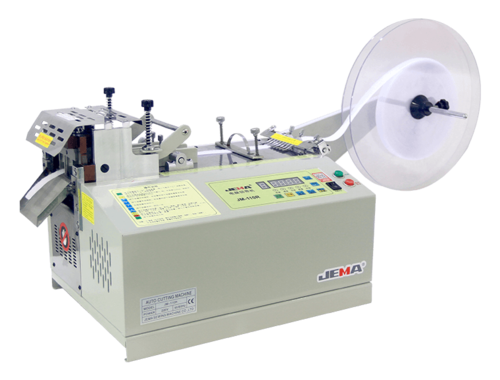
Fully automatic cutting, simple operation, wide application range and high cutting quality. Can c...
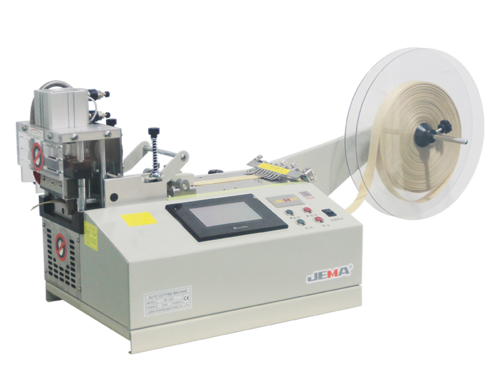
The JM-120L Computer Tape Cutting Machine (Cold Knife) is built for those repeat cutting jobs that c...
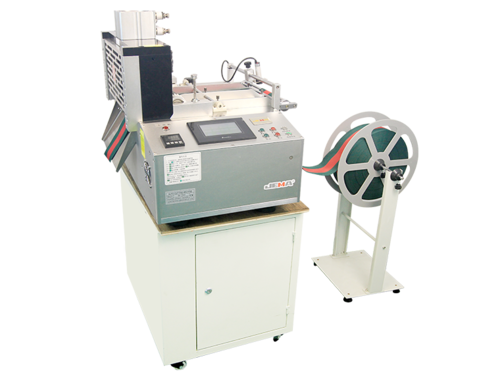
Fully automatic cutting, simple operation, wide application range and high cutting quality. Cold ...
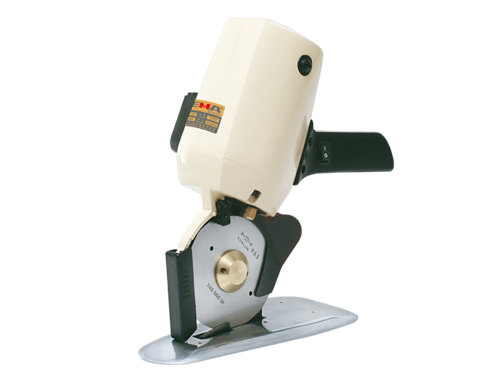
Features The JM-60/70 miniature cutting machine is suitable for cutting curves, small arcs and...

25 Years specializing in the production of various cutting machines.
©2021 Taizhou JEMA Sewing Machine Co., Ltd. Custom Elastic Tape Cutting Machine Manufacturers


 +86-576-88177528
 +86-576-88172167
 367# Guangxing Road, Xiachen Street, Jiaojiang District, Taizhou City, China.