

 EN
EN  英语
英语 中文简体
中文简体 西班牙语
西班牙语 越南语
越南语 葡萄牙语
葡萄牙语 土耳其语
土耳其语Computerized tape cutting machine (hot knife) distribution tape device JM-120H / 300M
Fully automatic cutting, simple operation, wide application range and high cutting quality. ...
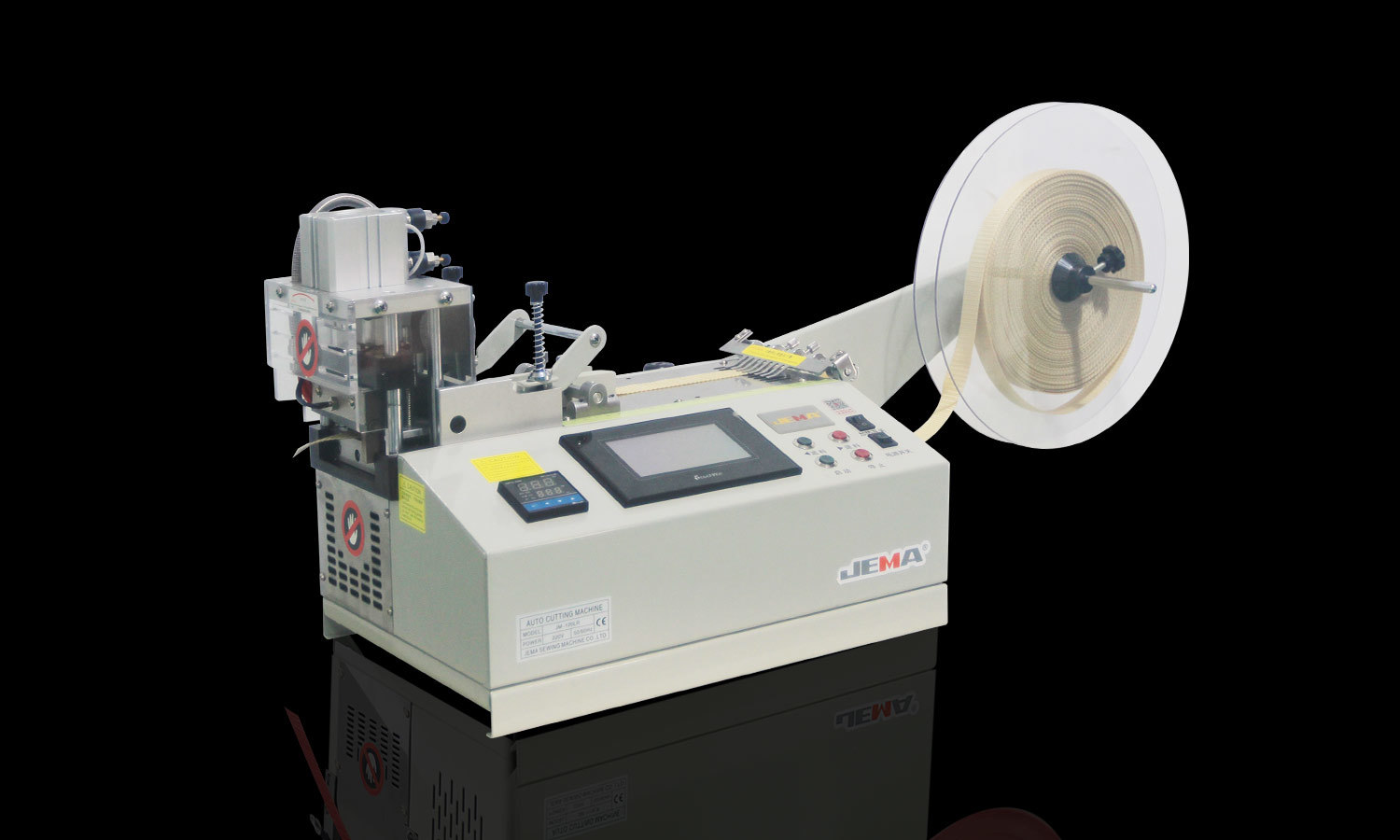
In modern manufacturing, cutting elastic materials such as tapes, bands, or webbing is critical for producing consistent, high-quality products. Two common methods used are mechanical solutions, represented by the Elastic Tape Cutting Machine, and advanced optical solutions, such as laser cutting. Both technologies serve the same fundamental purpose: to cut elastic materials efficiently and accurately. However, they differ significantly in operation, precision, material compatibility, and cost.
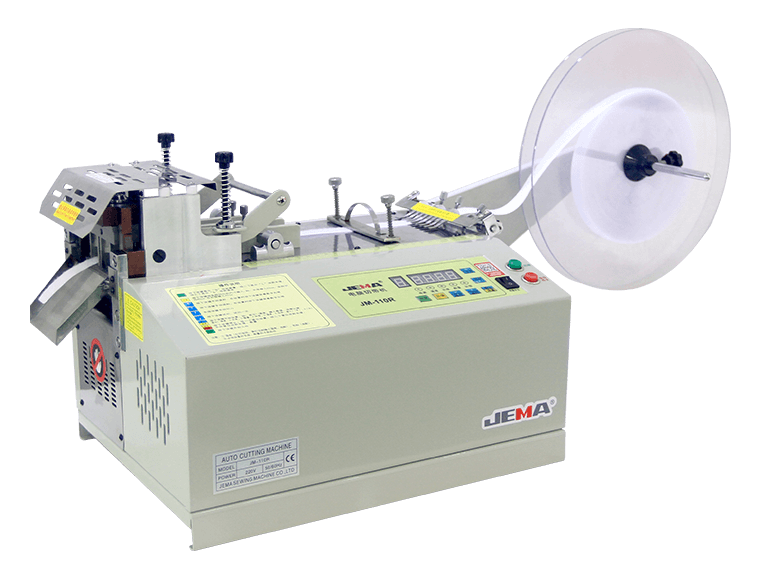
Mechanical Elastic Tape Cutting Machines offer several distinct advantages, especially in large-scale production:
Mechanical machines can feed and cut long strips continuously, achieving high throughput suitable for mass production.
They are capable of handling thick, wide, or heavy elastic tapes without a significant speed reduction.
Compatible with a variety of elastic materials, including woven, knitted, and rubber-based tapes.
Effective for heat-sensitive materials, as cutting is primarily mechanical rather than thermal.
Compared to laser systems, mechanical cutting machines generally have lower purchase and installation costs.
Less specialized training is required for operators.
Regular maintenance involves checking blade sharpness and lubrication rather than complex calibration of optical components.
Downtime ensures continuous production.
Despite their benefits, mechanical cutting machines have certain drawbacks:
1. Edge Quality Limitations:
2. Precision Limitations:
3. Maintenance Requirements:
Laser cutting uses a focused light beam to vaporize material and provides several benefits compared to mechanical cutting:
High Precision and Repeatability:
Laser systems achieve extremely accurate, repeatable cuts, making them ideal for detailed patterns and complex shapes.
Fray-Free Edges:
The laser simultaneously cuts and seals the edge of the tape, preventing fraying even in delicate synthetic materials.
Non-Contact Operation:
Eliminates mechanical stress or deformation during cutting, preserving the integrity of elastic materials.
Flexibility in Design:
Laser systems can be programmed to produce variable lengths, patterns, or intricate cutouts without manual adjustment.
Laser cutting also has its challenges, especially when compared to mechanical cutting:
Initial investment, ongoing maintenance, and operator training are more expensive.
Enclosures and ventilation systems are required to ensure safe operation.
Heat-sensitive or highly reflective materials may be prone to damage or inconsistent cuts.
For long strips of uniform tape, mechanical cutting often achieves higher throughput at lower operational cost.
Selecting the cutting method depends on several factors:
Both Elastic Tape Cutting Machines and laser cutting systems offer unique advantages. Mechanical machines excel in high-speed, large-scale production, lower cost, and versatility with heat-sensitive materials. Laser cutting provides unmatched precision, fray-free edges, and flexibility for complex designs. Manufacturers should carefully evaluate material properties, production volume, precision requirements, and budget when deciding which technology to adopt. In some cases, combining both methods may offer a suitable balance of efficiency, quality, and cost-effectiveness.
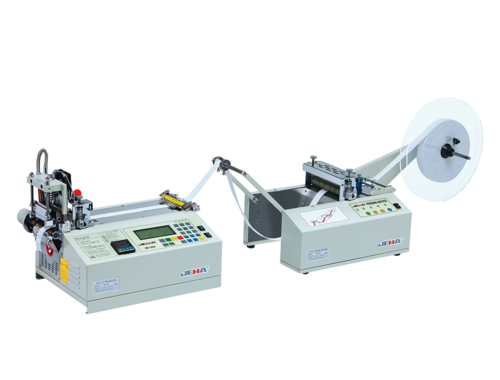
Fully automatic cutting, simple operation, wide application range and high cutting quality. ...
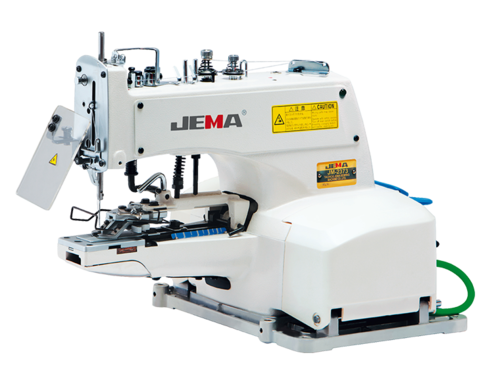
Features Quickly adapt to a variety of sewing requirements. Corresponding to the changes in sewing...
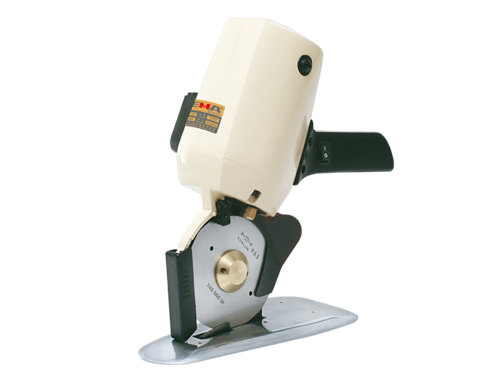
Features The JM-60/70 miniature cutting machine is suitable for cutting curves, small arcs and...
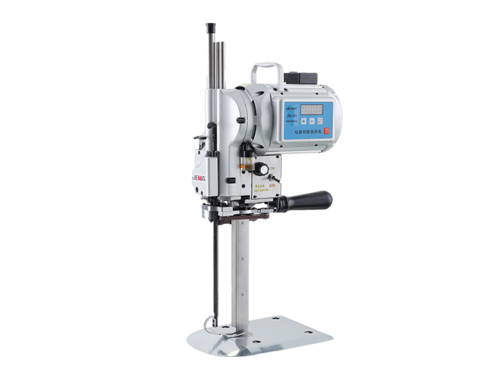
Features The JM-3D/3/103 electric cutting machine is compatible with KMCK8-EU Eastman Ele...

25 Years specializing in the production of various cutting machines.
©2021 Taizhou JEMA Sewing Machine Co., Ltd. Custom Elastic Tape Cutting Machine Manufacturers


 +86-576-88177528
 +86-576-88172167
 367# Guangxing Road, Xiachen Street, Jiaojiang District, Taizhou City, China.