

 EN
EN  英语
英语 中文简体
中文简体 西班牙语
西班牙语 越南语
越南语 葡萄牙语
葡萄牙语 土耳其语
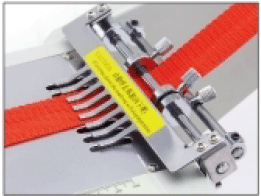
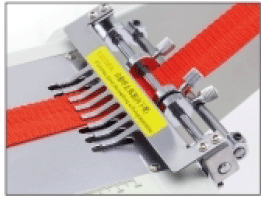
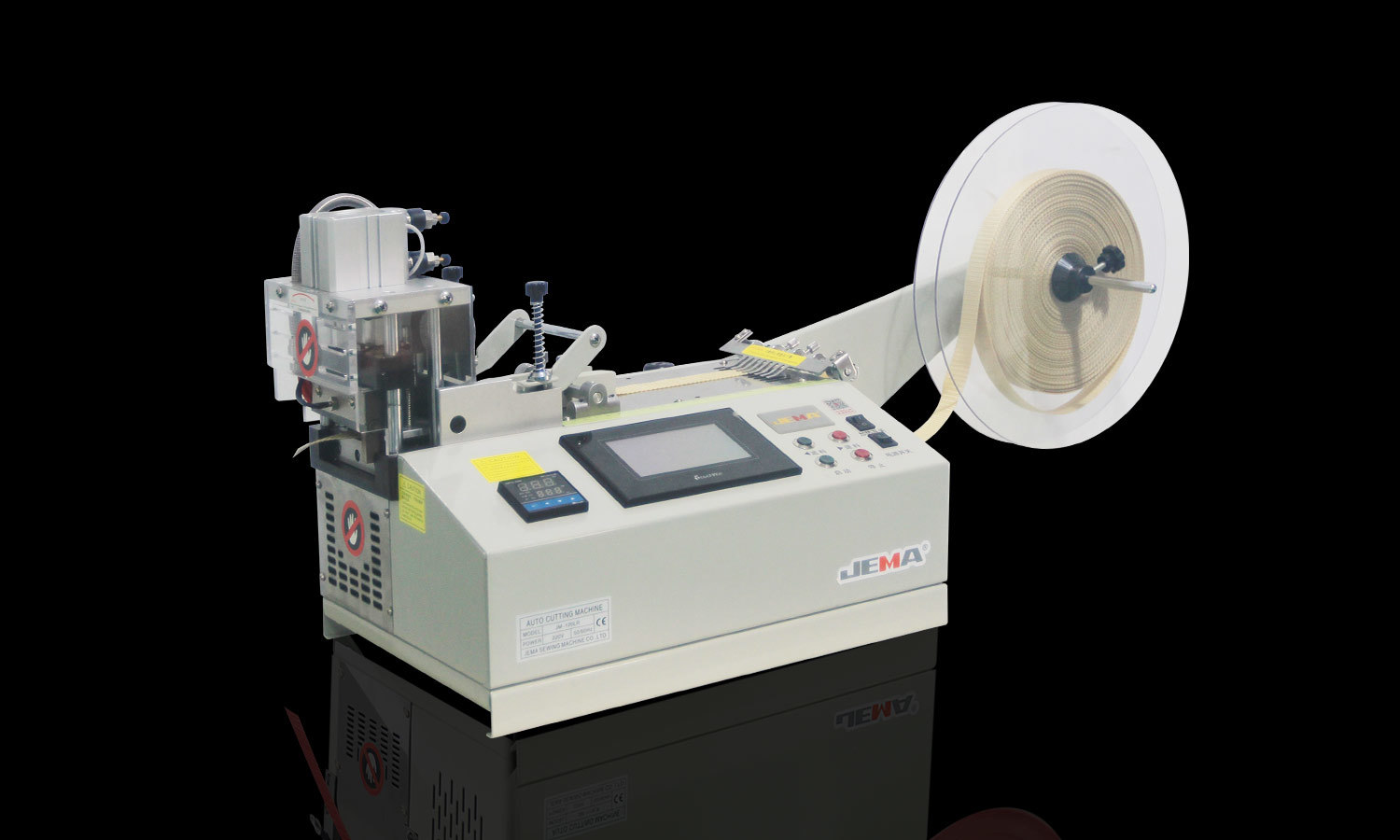
土耳其语Computer tape cutting machine (cold knife) JM-120L
The JM-120L Computer Tape Cutting Machine (Cold Knife) is built for those repeat cutting jobs that c...
A Button Feeding Machine is an essential component in modern garment production, especially in automated sewing lines. Its primary function is to supply buttons to sewing or fastening machines in a consistent, accurate, and timely manner. Two critical performance metrics for these machines are feeding speed and feeding precision. Assessing these parameters ensures that production lines operate efficiently while maintaining high-quality assembly standards.
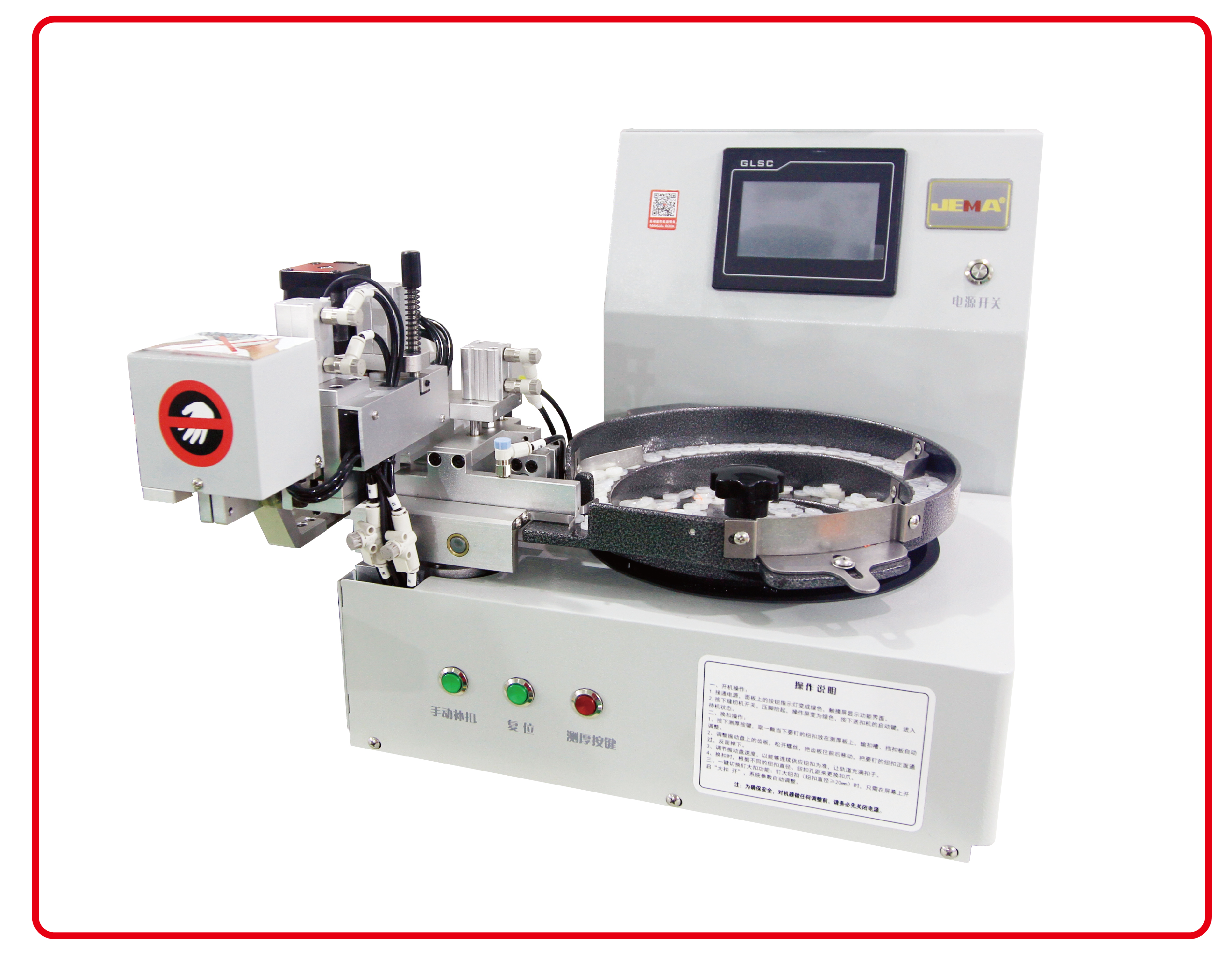
Feeding speed refers to the number of buttons the machine can deliver per unit of time, typically measured in buttons per minute (BPM). Proper measurement of feeding speed involves several considerations:
High feeding speed is crucial for improving line throughput, but it should never compromise accuracy. Excessive speed without proper control can cause misfeeds, jams, or defective stitching.
Feeding precision refers to the machine’s ability to deliver each button at the correct orientation, position, and timing. Precision is essential for ensuring consistent stitching quality and avoiding production defects. Key factors in measuring feeding precision include:
Several factors influence feeding speed and accuracy in a Button Feeding Machine:
Hopper Design: A well-designed hopper reduces misalignment and ensures consistent button flow.
Feeding Mechanism Type: Rotary feeders, vibrating plates, or conveyor-based feeders each have unique performance characteristics.
Button Characteristics: Variations in size, shape, or material can affect both speed and precision.
Maintenance and Calibration: Worn components, loose screws, or misaligned sensors can reduce both speed and accuracy. Regular maintenance ensures consistent performance.
Manufacturers often aim to balance feeding speed and precision for suitable line performance. Strategies include:
Measuring the feeding speed and precision of a Button Feeding Machine requires systematic observation, data collection, and analysis. Feeding speed ensures high throughput, while precision guarantees product quality and reduces waste. By understanding the influencing factors and applying proper measurement techniques, manufacturers can optimize machine performance, improve production efficiency, and maintain consistent button placement for high-quality garment assembly. Regular monitoring and adjustment are essential to sustain suitable operation in automated sewing lines.
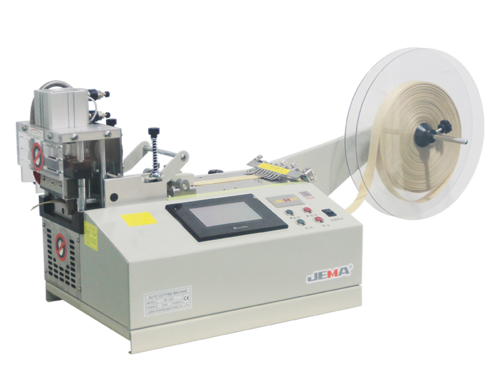
The JM-120L Computer Tape Cutting Machine (Cold Knife) is built for those repeat cutting jobs that c...
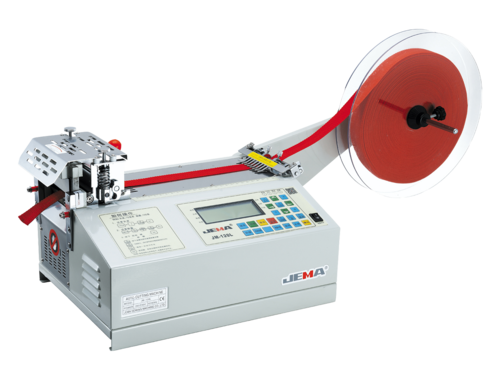
Fully automatic cutting, simple operation, wide application range and high cutting quality. ...
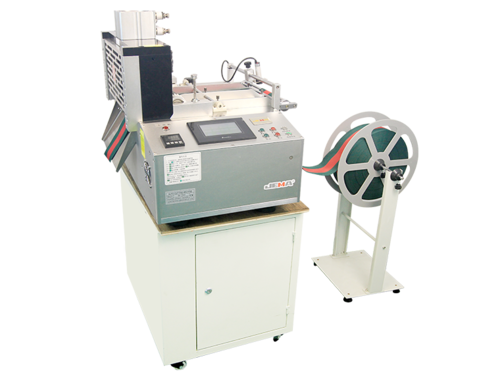
Fully automatic cutting, simple operation, wide application range and high cutting quality. Cold ...
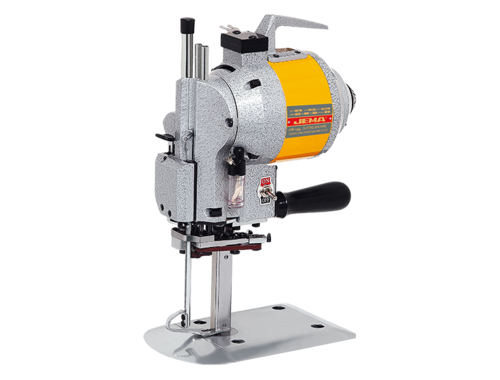
Features The JM-3D/3/103 electric cutting machine is compatible with KMCK8-EU Eastman Ele...

25 Years specializing in the production of various cutting machines.
©2021 Taizhou JEMA Sewing Machine Co., Ltd. Custom Elastic Tape Cutting Machine Manufacturers


 +86-576-88177528
 +86-576-88172167
 367# Guangxing Road, Xiachen Street, Jiaojiang District, Taizhou City, China.