

 EN
EN  英语
英语 中文简体
中文简体 西班牙语
西班牙语 越南语
越南语 葡萄牙语
葡萄牙语 土耳其语
土耳其语Computer tape cutting machine (cold knife) JM-110L
Fully automatic cutting, simple operation, wide application range and high cutting quality. ...
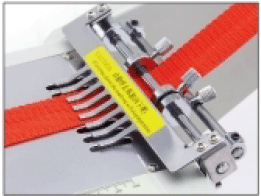
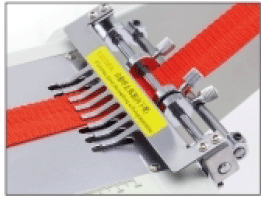
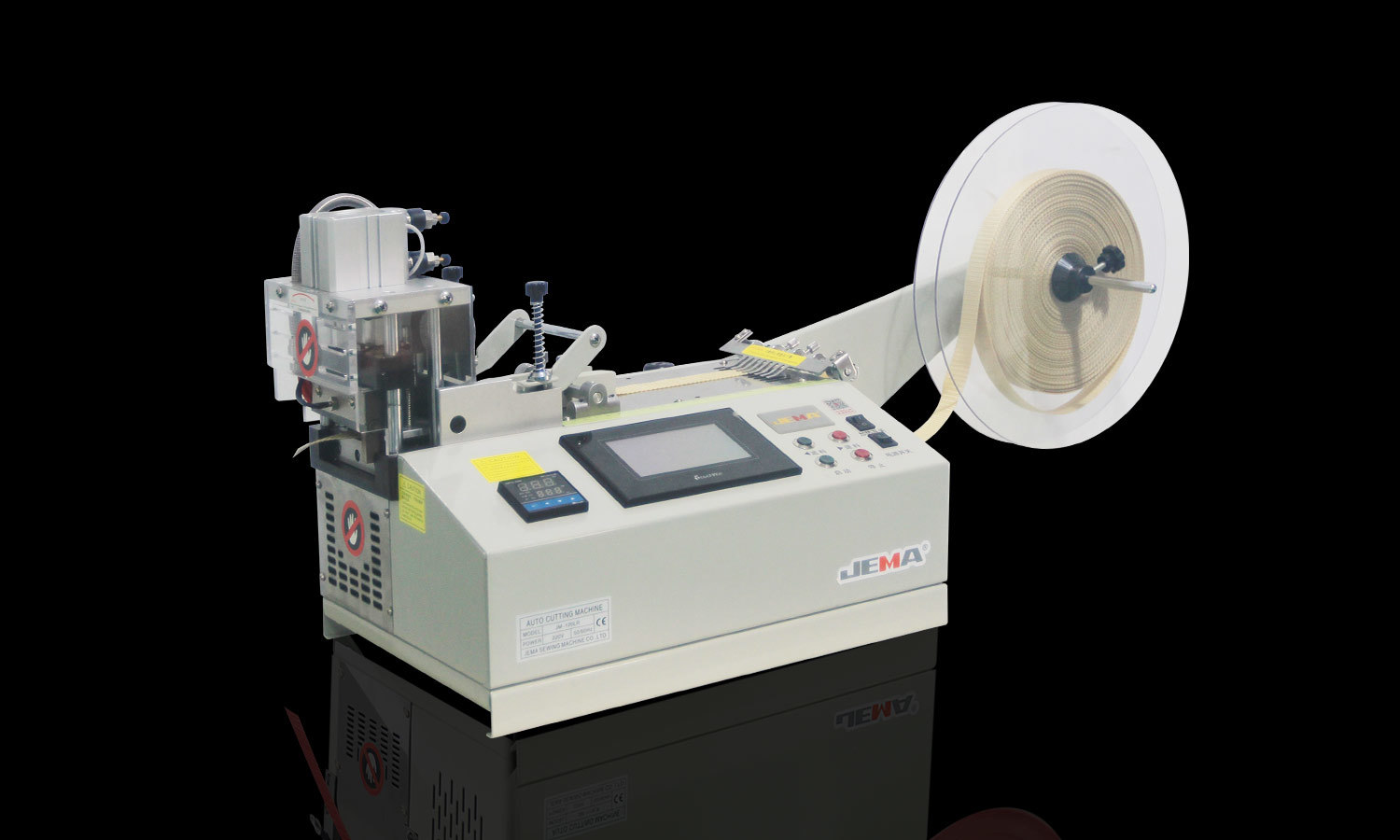
Elastic cutting is a specialized process used to cut stretchable materials such as elastic bands, webbing, spandex, and other flexible textiles. Unlike rigid materials, elastic fabrics have high recovery properties, which makes traditional cutting methods prone to deformation, fraying, or inaccurate lengths. The technology behind elastic cutting is designed to address these challenges, ensuring precise dimensions and clean edges. Proper implementation of elastic cutting improves production efficiency, reduces material waste, and maintains the functional integrity of the final product.
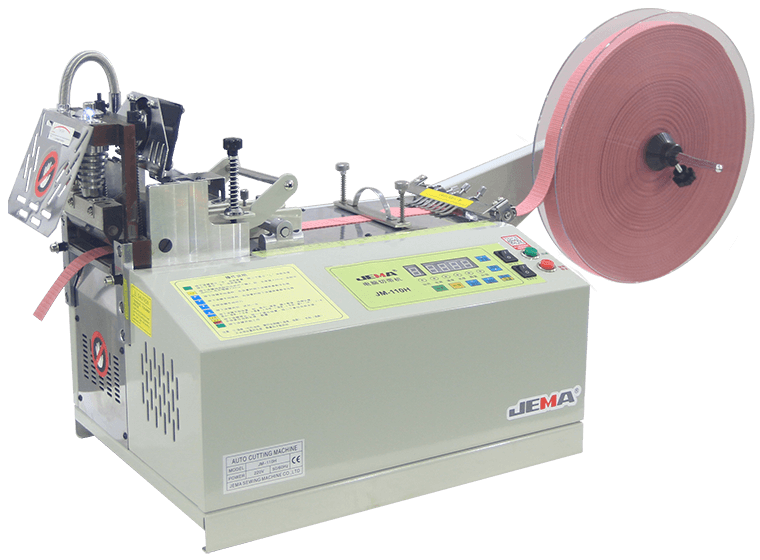
Elastic cutting relies on a combination of precise mechanical control and specialized cutting tools to handle flexible materials effectively. The working principle can be broken down into several key aspects:
One of the main challenges in cutting elastic materials is fraying. Elastic fibers tend to unravel when cut improperly, compromising both appearance and functionality. Elastic cutting addresses this issue through:
Modern elastic cutting machines integrate automation to enhance reliability and speed. Key control features include:
Elastic cutting is widely used in industries such as:
The primary benefits include reduced fraying, higher dimensional accuracy, and faster cycle times compared to traditional scissors or guillotine cutting methods.
Elastic cutting works by stabilizing the material, applying precise cutting methods, and integrating tension control and heat sealing to maintain clean, fray-free edges. The combination of advanced blades, controlled feed systems, and automation ensures high precision, even with highly stretchable materials. This process not only increases production efficiency but also guarantees the quality and durability of the final product. By understanding these principles, manufacturers can optimize elastic cutting operations for both industrial and consumer applications.
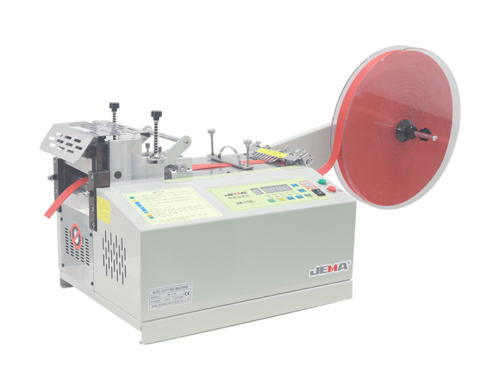
Fully automatic cutting, simple operation, wide application range and high cutting quality. ...
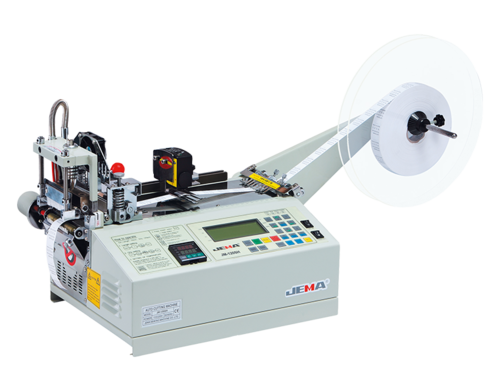
Fully automatic cut off. Simple operation, wide application range and high cutting quality. ...
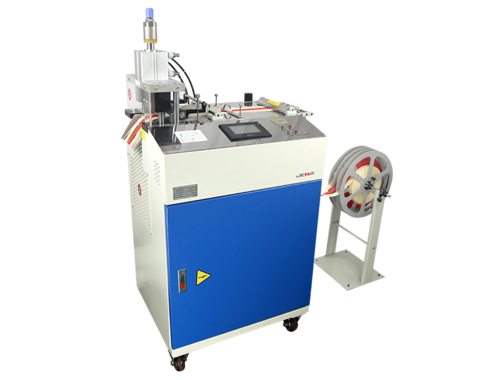
Fully automatic cutting, easy operation. Wide application range, high cutting quality, smooth cut...
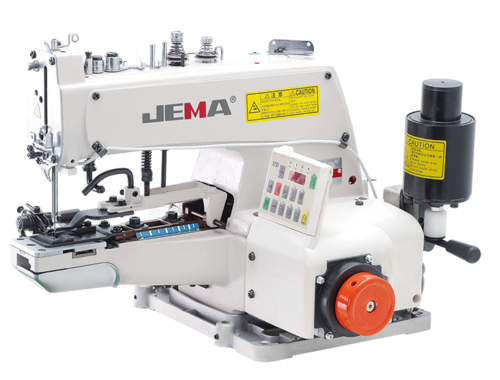
Features It is mainly used for sewing flat buttons with two holes or four holes. If attac...

25 Years specializing in the production of various cutting machines.
©2021 Taizhou JEMA Sewing Machine Co., Ltd. Custom Elastic Tape Cutting Machine Manufacturers


 +86-576-88177528
 +86-576-88172167
 367# Guangxing Road, Xiachen Street, Jiaojiang District, Taizhou City, China.