

 EN
EN  英语
英语 中文简体
中文简体 西班牙语
西班牙语 越南语
越南语 葡萄牙语
葡萄牙语 土耳其语
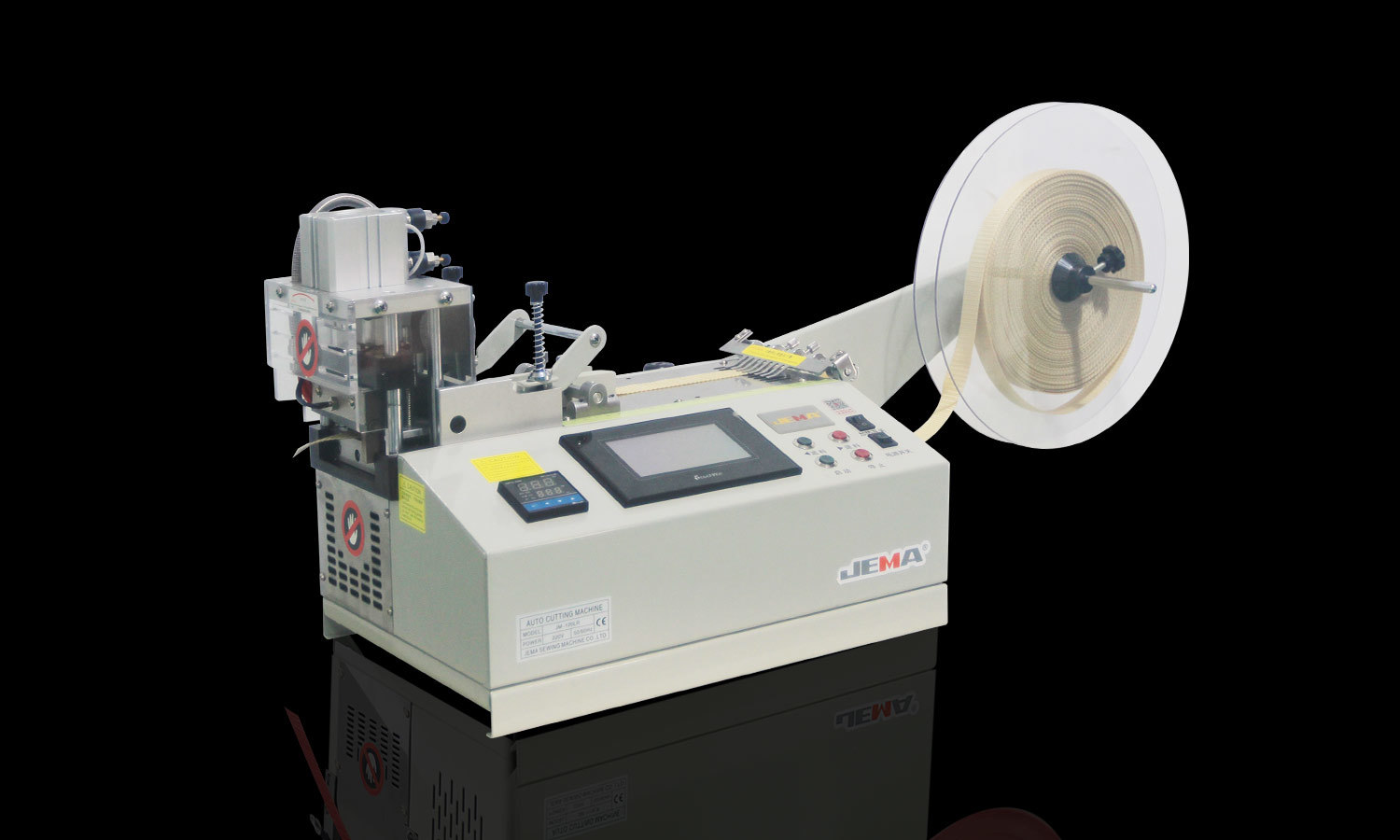
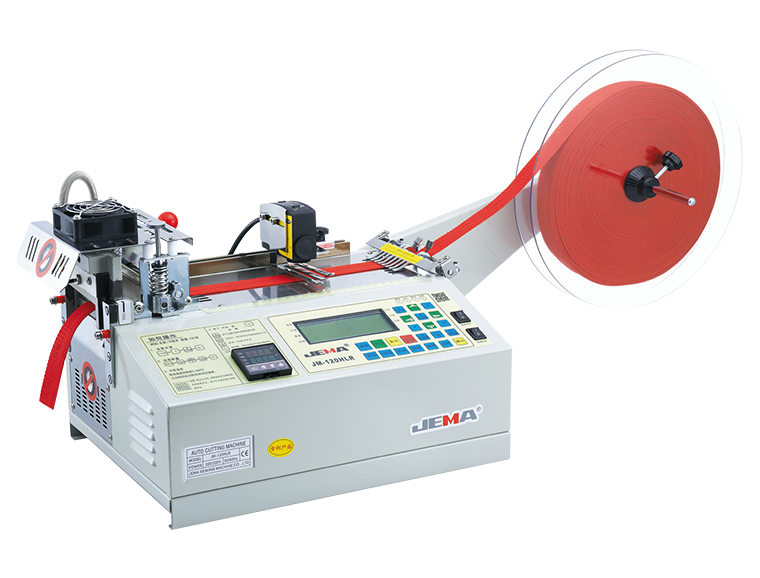
土耳其语Computer tape cutting machine (cold knife infrared) JM-120HL
Fully automatic cutting, simple operation, wide application range and high cutting quality. ...
The Shank Button Feeder is an essential device in automated sewing lines, designed to supply buttons with stems efficiently and accurately. Compatibility is a key concern when integrating these feeders with various sewing machines, button types, and production requirements. A feeder that lacks adaptability can cause misfeeds, production delays, and increased material waste. Ensuring proper compatibility involves considering machine interfaces, button dimensions, and operational parameters.
Compatibility begins with the physical and operational interface between the Shank Button Feeder and the sewing machine. Different machine brands and models may have varying attachment points, feed directions, and stroke patterns. A feeder must be designed with adjustable brackets, modular mounting plates, or universal adapters to accommodate these differences. Proper alignment ensures that buttons are delivered consistently to the sewing needle or placement mechanism, reducing the risk of jams or misalignment.
Shank buttons come in various diameters, thicknesses, and stem configurations. A compatible feeder must be able to handle a wide range of sizes without causing jams or damaging the buttons. Interchangeable guide channels, adjustable feed rails, and flexible gripping mechanisms enable the feeder to adapt to different button dimensions. The ability to accommodate multiple sizes ensures that a single Shank Button Feeder can support various production runs, improving operational efficiency and reducing the need for multiple specialized feeders.
The orientation of the shank button is critical for accurate placement. The feeder must ensure that each button is correctly aligned so that the stem is in the proper position for the sewing machine or attachment mechanism. Compatibility with different button types may require adjustable vibration intensity, guide angles, or mechanical orientation devices. Advanced feeders may also include sensors to detect misaligned buttons and automatically correct or reject them, further ensuring smooth operation across different button varieties.
Different production lines operate at varying speeds, which affects the compatibility of the Shank Button Feeder. High-speed sewing machines require feeders capable of delivering buttons at a consistent, rapid pace without misfeeds. Adjustable feeding rates, synchronization with the sewing machine, and responsive control systems help maintain alignment and timing. A feeder that cannot match the production speed may become a bottleneck, causing delays and reduced output.
Compatibility also includes ease of maintenance and long-term reliability across different production environments. Feeders must be constructed from durable materials that resist wear and corrosion, with components that can be easily replaced or adjusted to accommodate different buttons. Regular maintenance ensures that the feeder remains compatible over time, even as production demands and button specifications evolve.
Ensuring the compatibility of a Shank Button Feeder involves addressing machine interface requirements, accommodating various button sizes and shapes, controlling orientation, meeting production speed demands, and supporting long-term maintenance. A well-designed feeder can operate seamlessly across multiple machines and button types, reducing misfeeds, improving efficiency, and ensuring high-quality results. By considering these factors, manufacturers can optimize production lines and improve the utility of a single Shank Button Feeder in diverse sewing applications.
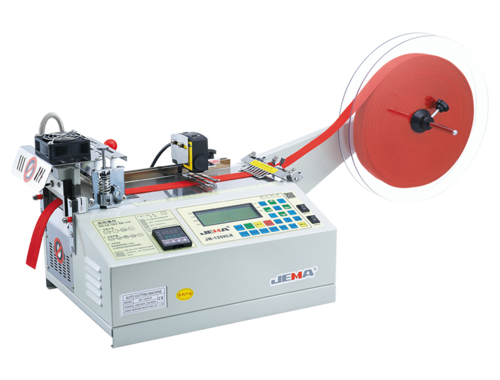
Fully automatic cutting, simple operation, wide application range and high cutting quality. ...
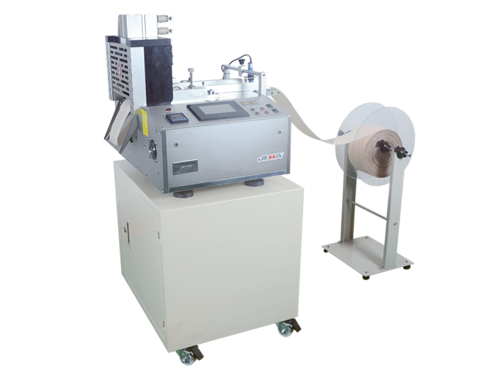
Fully automatic cutting, simple operation, wide application range, high cutting quality, cold and...
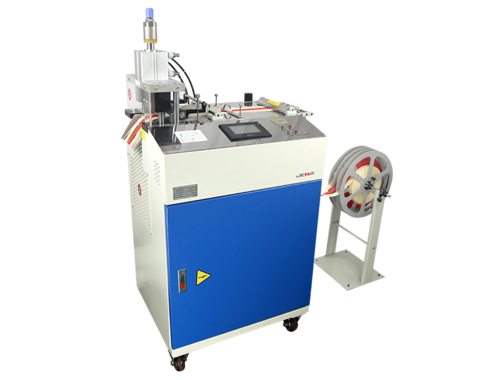
Fully automatic cutting, easy operation. Wide application range, high cutting quality, smooth cut...
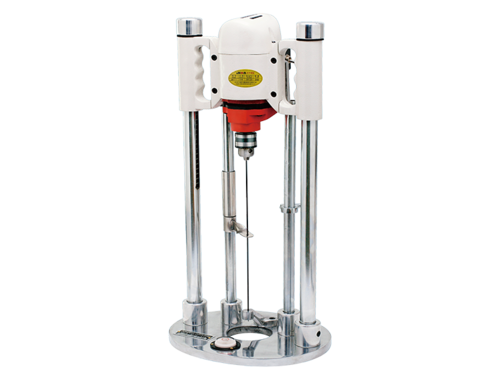
Features This machine is one of the indispensable special equipments in garment production. It...

25 Years specializing in the production of various cutting machines.
©2021 Taizhou JEMA Sewing Machine Co., Ltd. Custom Elastic Tape Cutting Machine Manufacturers


 +86-576-88177528
 +86-576-88172167
 367# Guangxing Road, Xiachen Street, Jiaojiang District, Taizhou City, China.