

 EN
EN  英语
英语 中文简体
中文简体 西班牙语
西班牙语 越南语
越南语 葡萄牙语
葡萄牙语 土耳其语
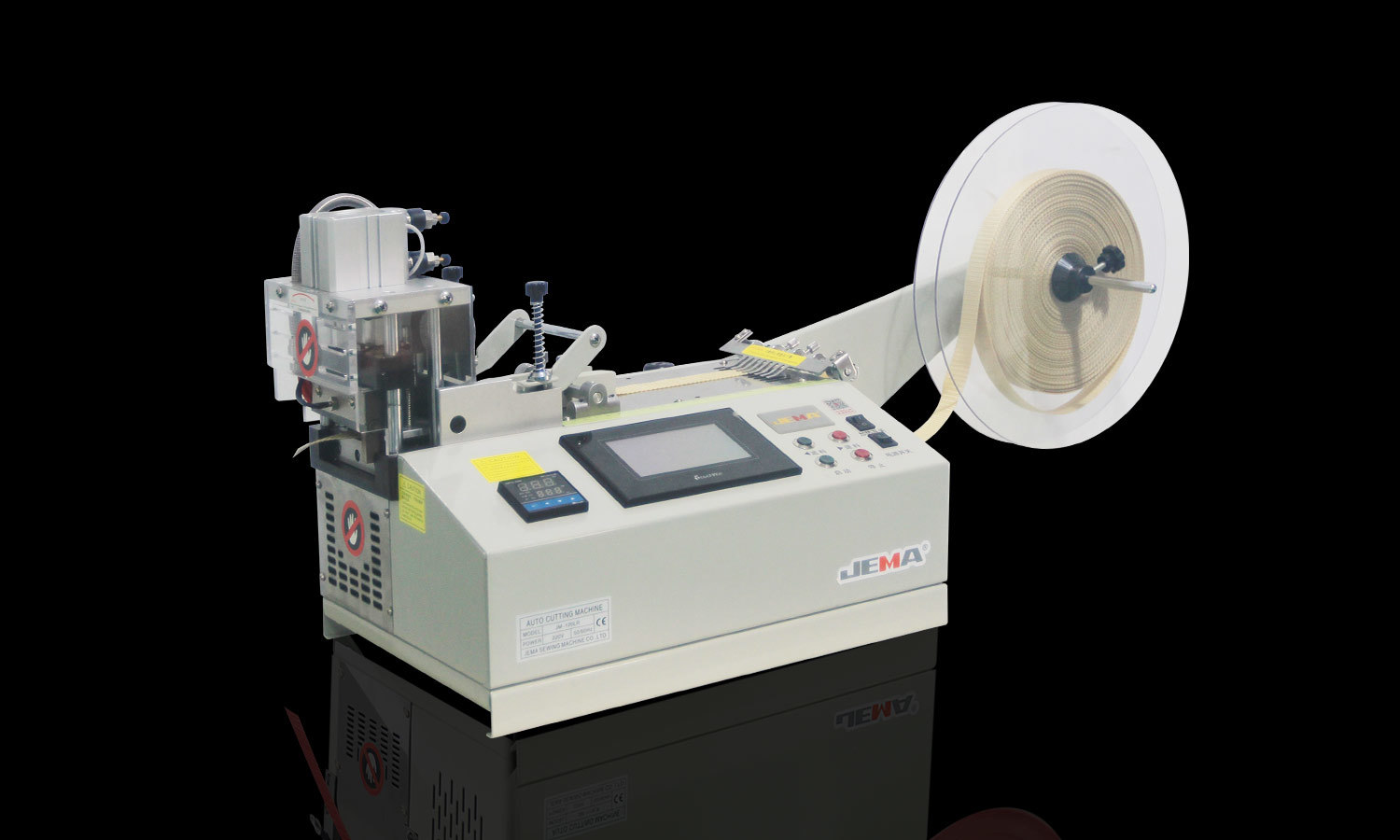
土耳其语Computerized tape cutting machine (bevel/right angle) JM-120HX
The JM-120HX Computerized Tape Cutting Machine (Bevel / Right Angle) is a good fit when straight cu...
Button Feeding Machines are widely used in industries such as apparel manufacturing, where the accurate and efficient feeding of buttons is essential for high-volume production. These machines are designed to automate the process of button placement, reducing manual labor and increasing productivity. However, one of the critical aspects of a Button Feeding Machine is its precision. Achieving high precision not only ensures a smooth production process but also enhances the overall quality of the final product.
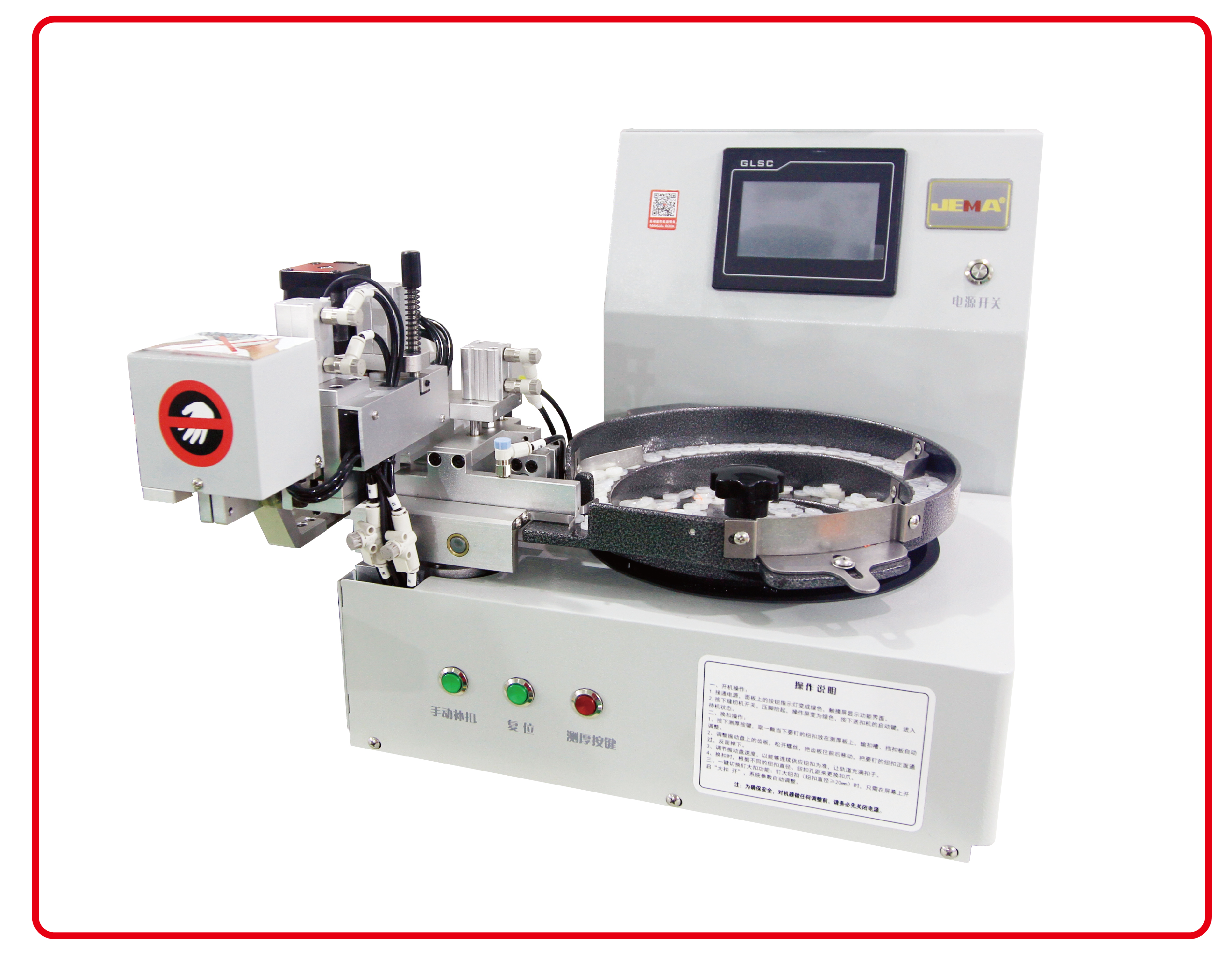
Precision in button-feeding machines is vital for several reasons. It ensures that the buttons are consistently placed in the correct position every time, which is crucial for maintaining the quality and appearance of the product. Inaccurate button placement can cause defects, wasted materials, and time-consuming rework. Additionally, precision is necessary for ensuring that the buttons are fed in the right orientation, especially when dealing with buttons with specific patterns or designs.
The precision of Button Feeding Machines is largely due to the advanced technology integrated into these devices. Modern machines are equipped with sensors, servo motors, and computer controls that enable them to accurately position and place buttons. These systems continuously monitor the position and orientation of the buttons, making adjustments in real time to correct any errors. This dynamic approach ensures that the buttons are fed accurately, regardless of variations in button size or shape.
Furthermore, many Button Feeding Machines are designed with adjustable settings, allowing operators to fine-tune the feeding mechanism to suit different button types and sizes. This flexibility is essential for achieving the desired level of precision, especially when handling a wide range of buttons in a production run.
While button-feeding machines offer high levels of precision, there are still challenges that manufacturers face. One common issue is the material properties of the buttons themselves. Buttons made from different materials, such as plastic, metal, or wood, may behave differently during feeding, which can impact the machine's accuracy. Additionally, the wear and tear on machine components can also affect performance over time, causing slight deviations in button placement. Regular maintenance and calibration are necessary to ensure that the machine continues to operate with high precision.
Advances in automation and robotics have significantly improved the precision of button-feeding machines. With the integration of artificial intelligence (AI) and machine learning algorithms, these machines can learn from previous production runs and adapt their processes to improve accuracy. This technology allows for more efficient handling of buttons, even in complex production environments. Additionally, real-time feedback systems can alert operators to any deviations in precision, enabling them to address issues before they impact the production process.
The precision of a Button Feeding Machine is a critical factor in ensuring high-quality production and reducing errors. By leveraging advanced technologies such as sensors, servo motors, and AI, manufacturers can achieve greater accuracy in button placement, causing improved product quality and reduced waste. While challenges remain, ongoing technological advancements continue to enhance the precision of these machines, making them an invaluable tool in industries that rely on mass production and automation.
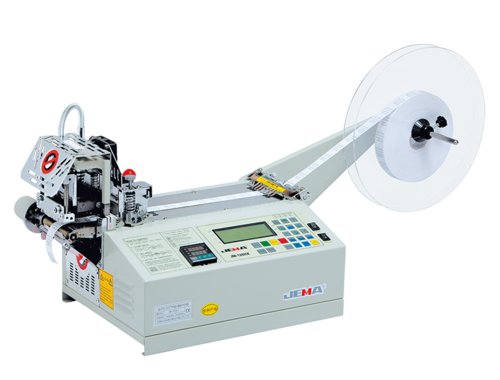
The JM-120HX Computerized Tape Cutting Machine (Bevel / Right Angle) is a good fit when straight cu...
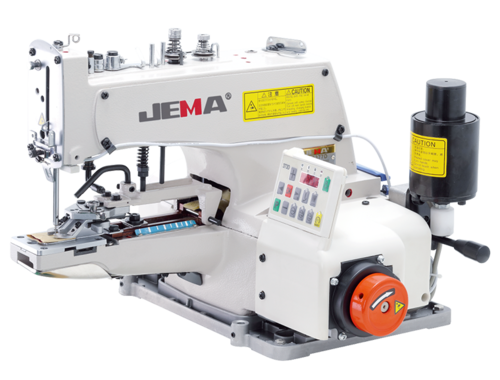
Features Quickly adapt to a variety of sewing requirements. Corresponding to the changes in sewing...
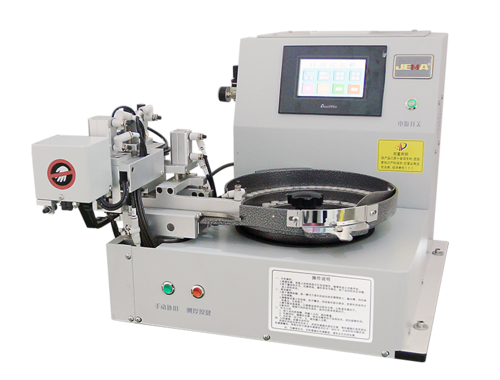
Features: 1. One-key width and thickness measurement function: When changing differe...
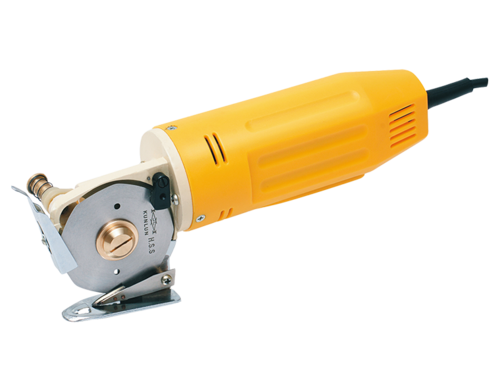
Features JM-6070 micro cutting machine is suitable for cutting curves, small arcs ...

25 Years specializing in the production of various cutting machines.
©2021 Taizhou JEMA Sewing Machine Co., Ltd. Custom Elastic Tape Cutting Machine Manufacturers


 +86-576-88177528
 +86-576-88172167
 367# Guangxing Road, Xiachen Street, Jiaojiang District, Taizhou City, China.