

 EN
EN  英语
英语 中文简体
中文简体 西班牙语
西班牙语 越南语
越南语 葡萄牙语
葡萄牙语 土耳其语
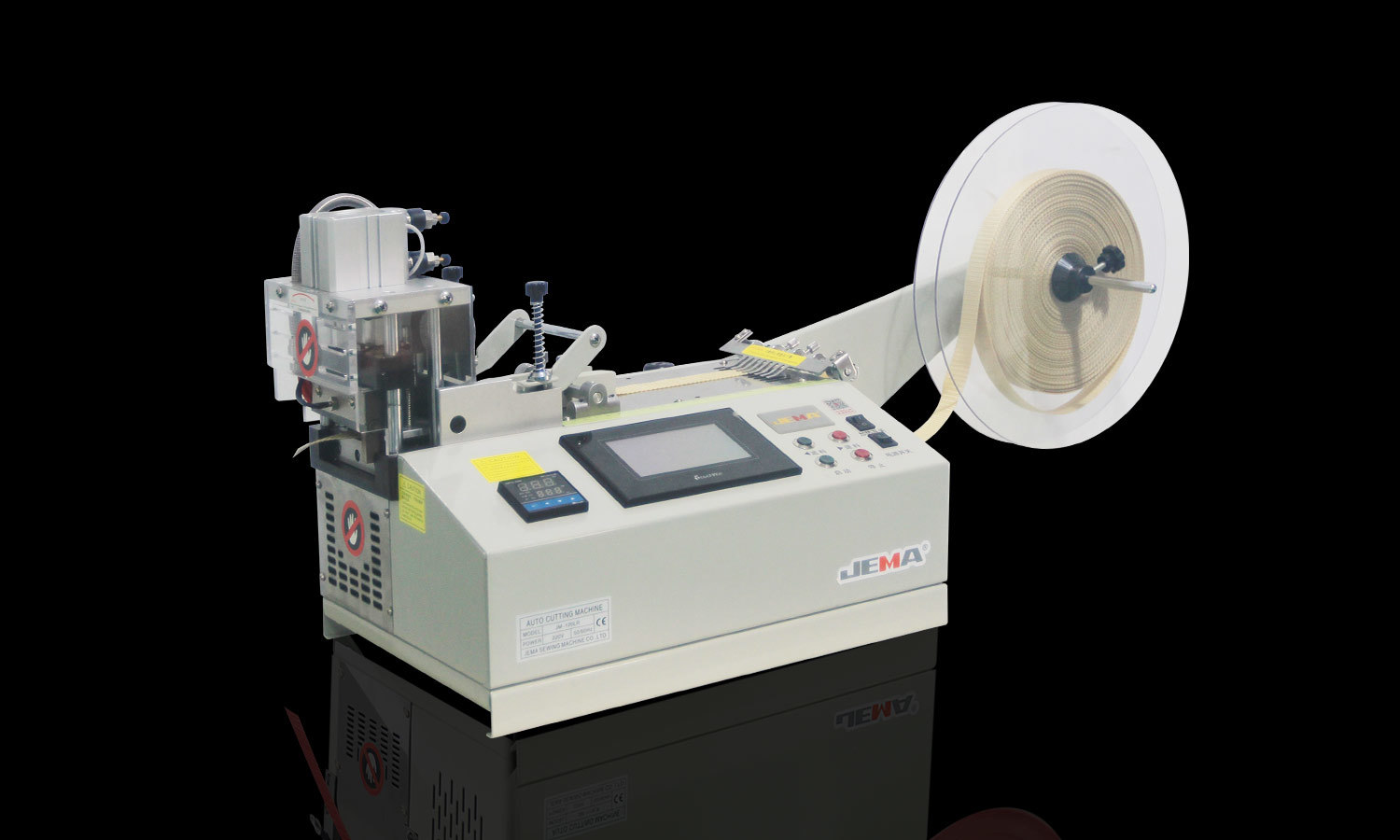
土耳其语Computer tape cutting machine (cold, hot) JM-120LR
Fully automatic cutting, simple operation, wide application range, high cutting quality, cold ...
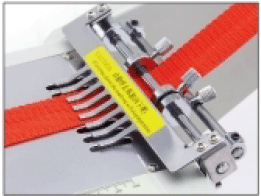
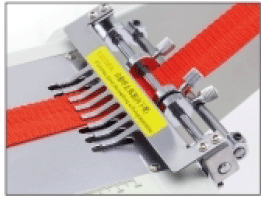
Elastic cutting is an essential process in various industries, particularly in the production of elastic tapes, bands, and similar materials. However, waste generation is a common issue, causing increased material costs and environmental impact. Optimizing the cutting process is key to reducing waste.
The primary waste in elastic cutting comes from off-cuts, which are the portions of material discarded after the cutting process. These off-cuts occur due to incorrect cutting lengths, inefficient machine settings, and excessive trimming. Reducing waste is not only beneficial from an economic perspective but also helps improve the sustainability of manufacturing practices.
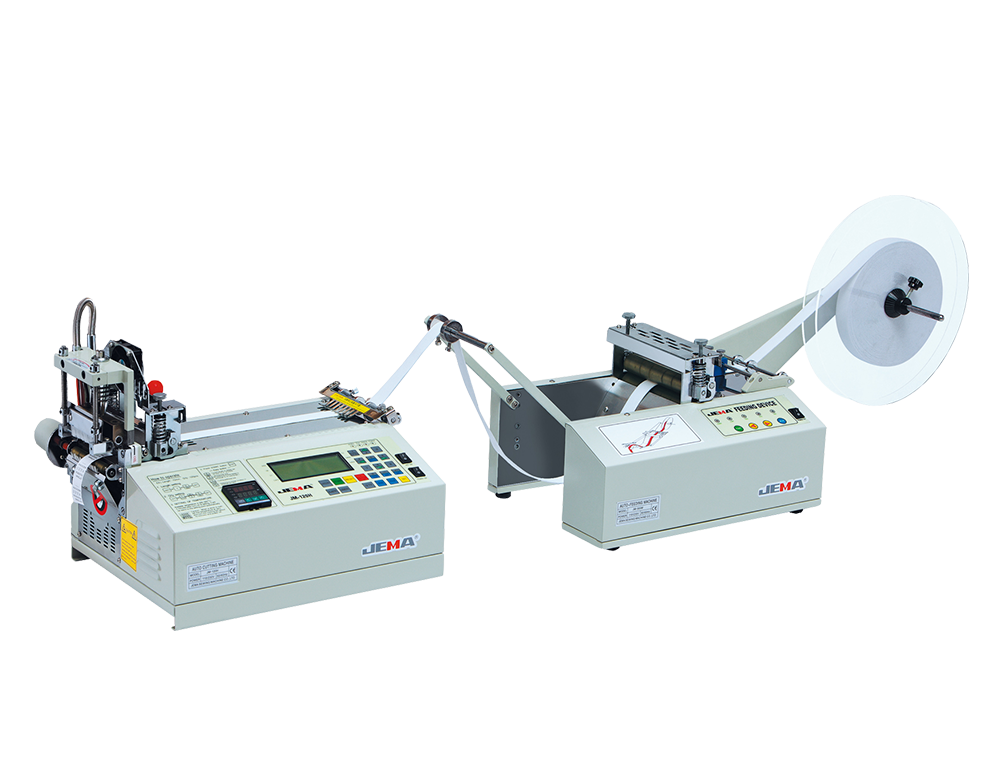
One of the effective ways to reduce waste in elastic cutting is by enhancing the precision of the cutting process. Machines that are calibrated properly can make more accurate cuts, ensuring that the material is utilized efficiently. When the cutting tool is sharp and well-maintained, it also contributes to cleaner, more precise cuts, which reduces the amount of scrap material generated.
Additionally, by using advanced cutting technologies such as laser or ultrasonic cutting, manufacturers can achieve high precision without the need for excessive trimming. These technologies also provide cleaner edges, which can further minimize the need for rework or additional processing.
Another key approach to reducing waste is optimizing material usage during the cutting process. This involves analyzing the layout of cuts to ensure utilization of the material. A well-designed cutting plan can significantly reduce waste by positioning cuts in a way that reduces off-cuts. For example, software programs designed for nesting can arrange the pieces to be cut in a manner that improves the use of every inch of the material.
Manufacturers should also consider the type of material being cut. By selecting the right elastic material that is better suited for the cutting process, it is possible to reduce material loss due to stretch, uneven edges, or other factors that contribute to waste.
Another factor that contributes to waste is idle time during the cutting process. Machines left running without active cutting can generate waste, especially if they are set to operate continuously or inefficiently. Ensuring that the machine only runs when needed and optimizing its speed and operation settings can help reduce waste generated during idle periods.
In addition, overproduction is a significant source of waste in elastic cutting. By closely monitoring demand and production schedules, manufacturers can avoid cutting more material than necessary. Having a flexible production schedule that adjusts based on real-time demand can help reduce both overproduction and the waste it creates.
Even with the precise cutting techniques, some waste is inevitable. However, manufacturers can still mitigate the environmental impact of this waste by recycling off-cuts. Many elastic materials can be reprocessed into other products, such as small components or packaging materials. By implementing a waste recycling program, manufacturers can reduce the amount of material sent to landfills while also cutting down on the need for new raw materials.
Waste reduction in elastic cutting also involves a culture of continuous improvement. Regular training for operators ensures that they are familiar with the practices for reducing waste, such as ensuring correct machine settings, following optimized cutting plans, and monitoring material usage. Encouraging employees to identify areas where waste is generated and suggest improvements can also help in implementing waste-reduction strategies effectively.
Reducing waste in the elastic cutting process is crucial for improving efficiency, reducing costs, and promoting sustainability. By focusing on precision, optimizing material usage, reducing idle time and overproduction, and recycling off-cuts.
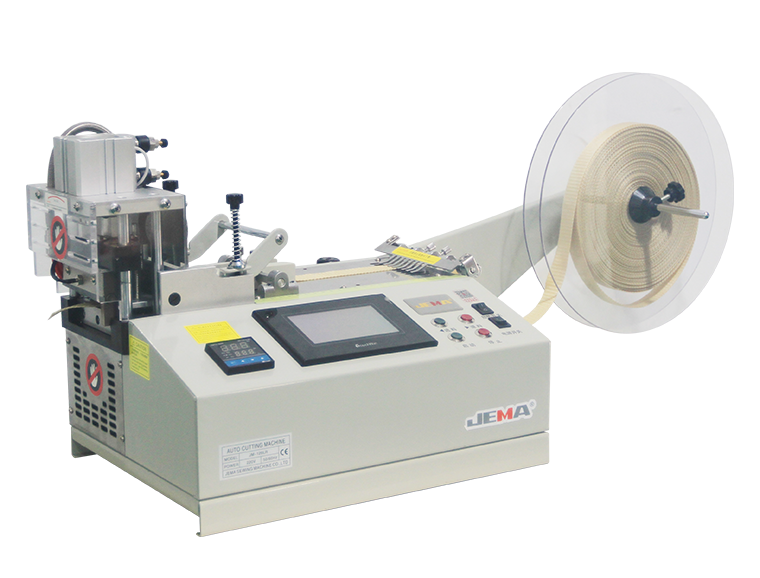
Fully automatic cutting, simple operation, wide application range, high cutting quality, cold ...
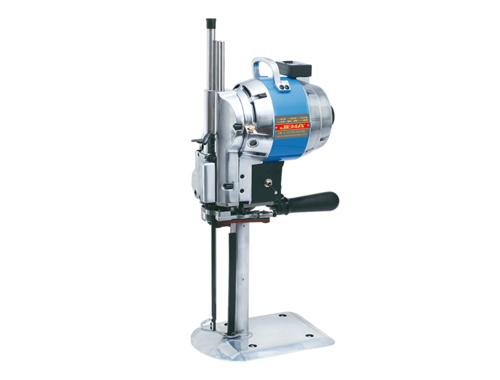
Features The JM-3D/3/103 electric cutting machine is compatible with KMCK8-EU Eastman Ele...
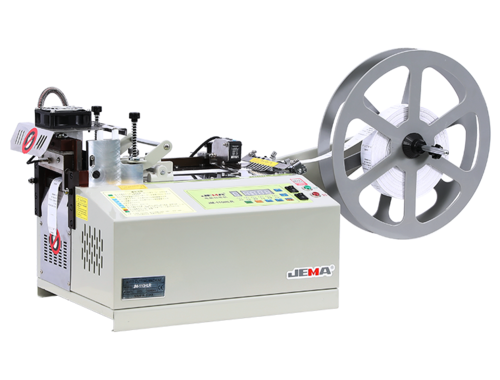
high functionality Speed: 95 pieces can be cut per minute. (Take 50mm length as an exampl...
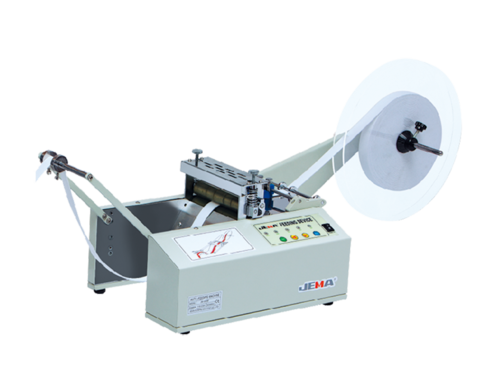
Features The fully automatic computerized belt feeder is a new type of multifunctional belt fe...

25 Years specializing in the production of various cutting machines.
©2021 Taizhou JEMA Sewing Machine Co., Ltd. Custom Elastic Tape Cutting Machine Manufacturers


 +86-576-88177528
 +86-576-88172167
 367# Guangxing Road, Xiachen Street, Jiaojiang District, Taizhou City, China.