

 EN
EN  英语
英语 中文简体
中文简体 西班牙语
西班牙语 越南语
越南语 葡萄牙语
葡萄牙语 土耳其语
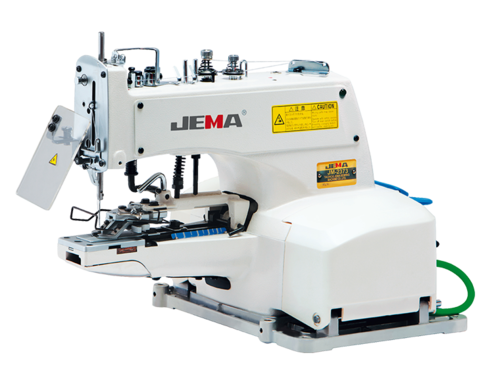
土耳其语Button sewing machine JM-371
Features It is mainly used for sewing flat buttons with two holes or four holes. If attac...
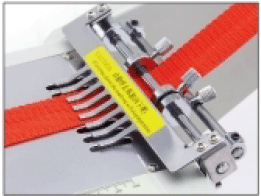
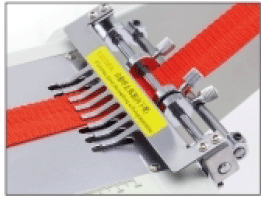
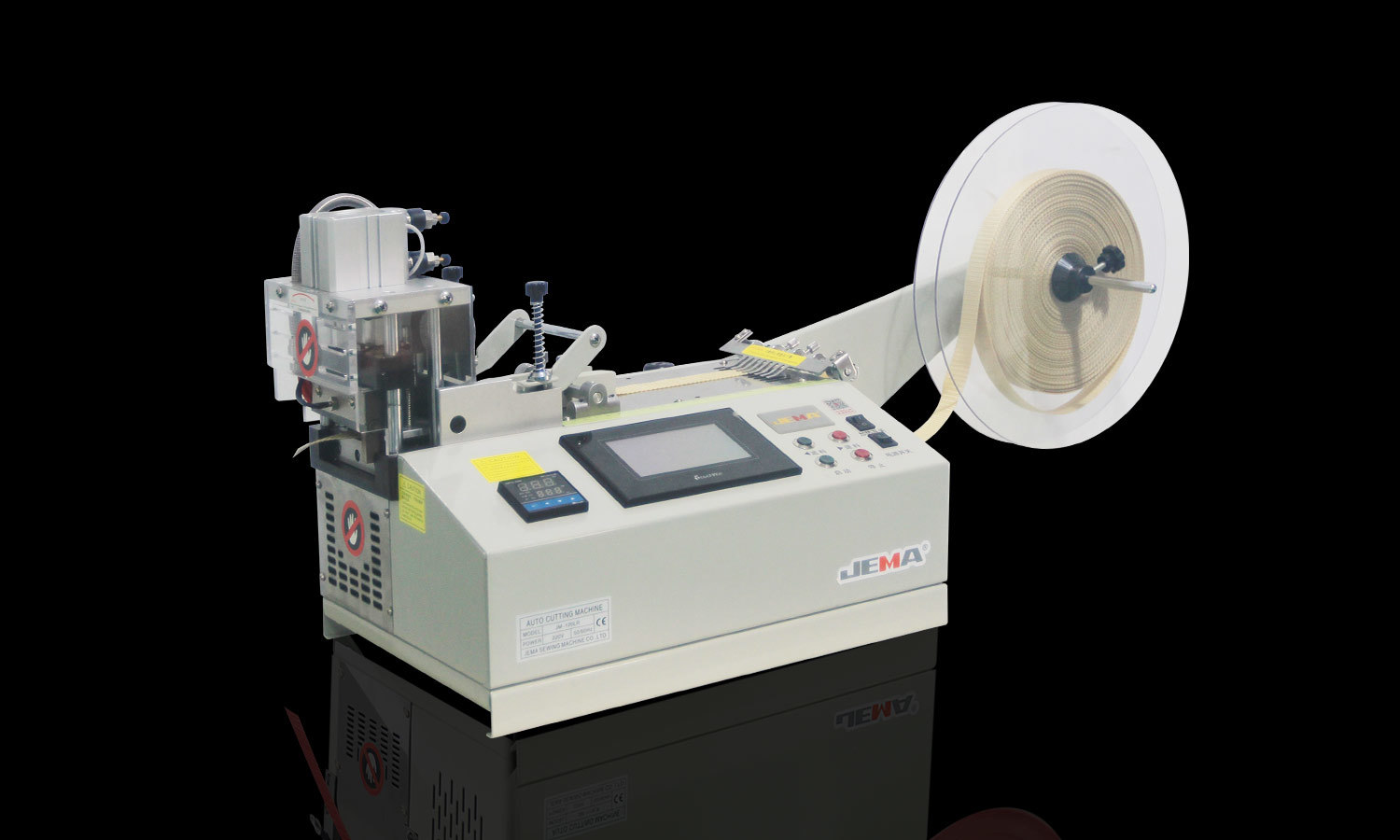
Elastic Tape Cutting Machine, essential in producing high-quality elastic tape for various applications, can consume substantial amounts of energy. Optimizing energy use is not only environmentally beneficial but can also significantly reduce operational costs.
.png)
The Elastic Tape Cutting Machine typically operates with electric motors, actuators, and other machinery components that require power to function effectively. However, like industrial machines, the energy consumption of these devices can be influenced by several factors such as machine design, operation speed, load, and maintenance. Understanding these elements is a step toward improving efficiency.
A significant portion of the energy consumed by an Elastic Tape Cutting Machine is used for its motorized functions. The speed at which the machine operates, the cutting frequency, and the material thickness all contribute to the machine's energy demand. Additionally, poorly maintained components can result in increased friction or wear, causing unnecessary energy use. Operational practices, such as continuous running at high speeds when not necessary, can also cause excess energy consumption.
One of the straightforward methods to optimize energy consumption is by adjusting machine settings. Many Elastic Tape Cutting Machines have programmable controls that allow operators to set suitable cutting speeds based on the material being processed. By avoiding overproduction or excessive cutting speeds, machines can be run more efficiently, consuming less power while still delivering high-quality results.
Another key consideration is the idle time of the machine. Ensuring that the machine is only operating when necessary and is powered down during downtime can prevent unnecessary energy consumption. Moreover, modern machines often feature standby modes that reduce power draw when not in use, further contributing to energy savings.
Upgrading certain components of an Elastic Tape Cutting Machine can also improve energy efficiency. For example, investing in energy-efficient motors, improved bearings, and better insulation can reduce power loss. Many newer machines come with variable frequency drives (VFDs) that adjust motor speed according to demand, ensuring that the machine operates at its efficient level.
Additionally, replacing old or outdated components can have a noticeable impact on energy usage. Advanced technology, such as servo motors or other energy-efficient drive systems, can provide significant reductions in energy consumption while maintaining performance.
Proper maintenance of the Elastic Tape Cutting Machine is crucial for optimizing energy use. Regular inspection and cleaning of components such as motors, belts, and blades ensures that the machine operates at good performance. Lubricating moving parts reduces friction, and calibrating sensors ensures that the machine works within suitable parameters. These steps help prevent unnecessary wear and tear, which can cause inefficient energy use and higher operating costs.
Automation technologies can also contribute to reducing energy consumption. By incorporating smart sensors and machine learning algorithms, machines can be programmed to adapt to changes in material type, thickness, and cutting speed, automatically optimizing their energy use. The integration of Internet of Things (IoT) devices can also provide real-time data to operators, allowing them to make informed decisions regarding machine settings and maintenance.
Optimizing the energy consumption of an Elastic Tape Cutting Machine is essential for reducing operational costs and reducing environmental impact. By adjusting operational practices, upgrading components, ensuring regular maintenance, and leveraging smart technologies, manufacturers can significantly improve the energy efficiency of these machines.
Features It is mainly used for sewing flat buttons with two holes or four holes. If attac...
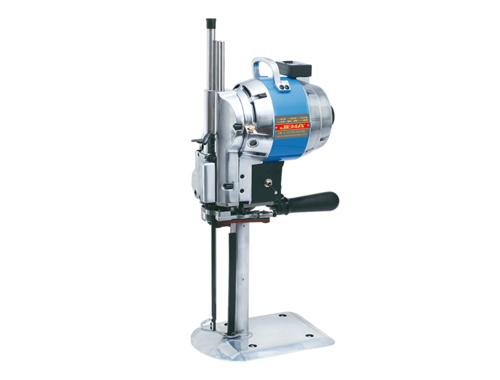
Features The JM-3D/3/103 electric cutting machine is compatible with KMCK8-EU Eastman Ele...
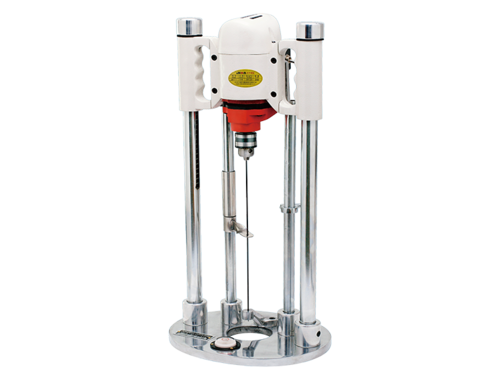
Features This machine is one of the indispensable special equipments in garment production. It...
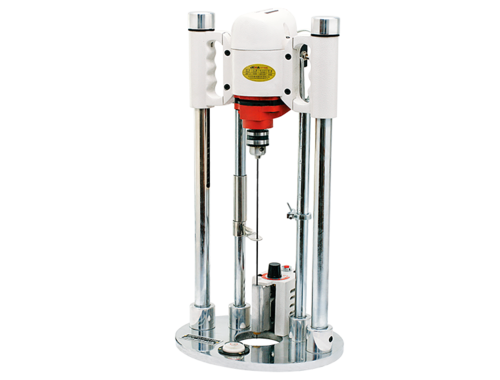
Features This machine is one of the indispensable special equipments in garment production. It...

25 Years specializing in the production of various cutting machines.
©2021 Taizhou JEMA Sewing Machine Co., Ltd. Custom Elastic Tape Cutting Machine Manufacturers


 +86-576-88177528
 +86-576-88172167
 367# Guangxing Road, Xiachen Street, Jiaojiang District, Taizhou City, China.