

 EN
EN  英语
英语 中文简体
中文简体 西班牙语
西班牙语 越南语
越南语 葡萄牙语
葡萄牙语 土耳其语
土耳其语Computerized tape cutting machine (cold knife) JM-130L
Fully automatic cutting, simple operation, wide application range and high cutting quality. ...
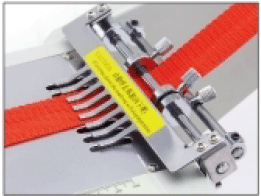
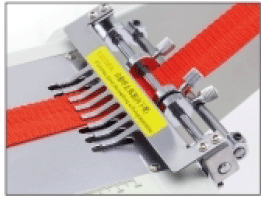
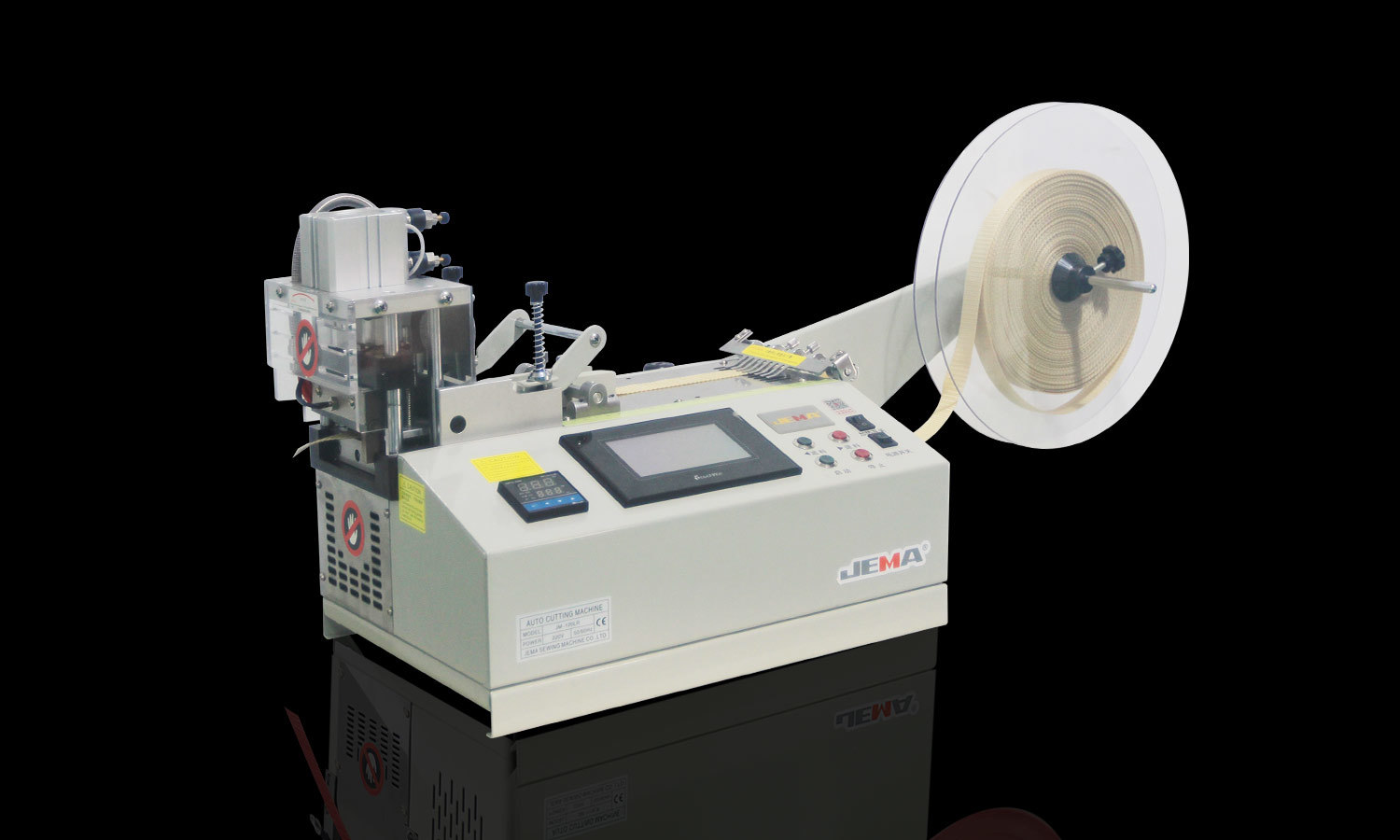
Velcro Cutting Machines are essential tools in industries such as textile manufacturing, where precise and efficient cutting of Velcro strips is required for various applications. These machines are designed to handle a wide range of materials with different thicknesses, textures, and adhesives. A crucial aspect of a Velcro Cutting Machine's performance is its material compatibility.
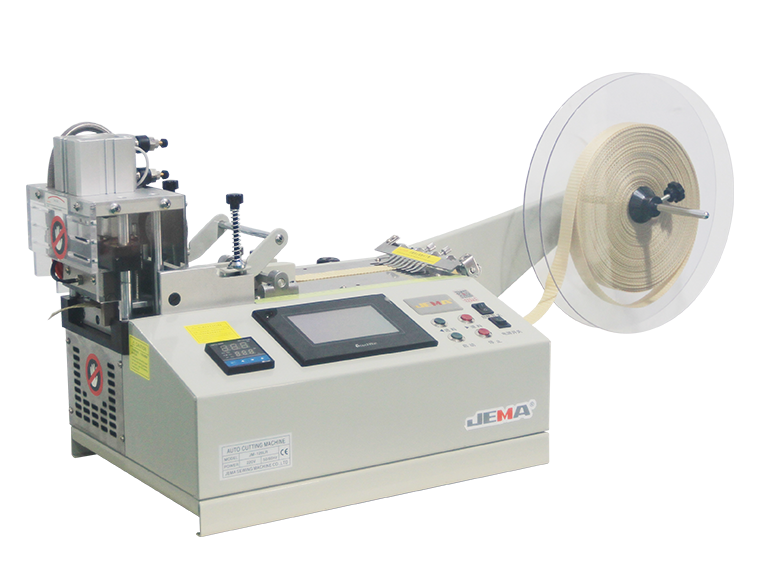
The material compatibility of a Velcro Cutting Machine refers to its ability to handle different Velcro types, such as hook-and-loop fasteners, with varying degrees of rigidity, elasticity, and adhesive properties. It also involves the machine's capability to handle Velcro materials with diverse surface textures, thicknesses, and widths. Machines that can accommodate a wide range of materials provide flexibility for manufacturers, allowing them to use various Velcro products in their production processes.
Velcro Cutting Machines are versatile and can process several different materials. The common material is traditional hook-and-loop fasteners, made of fabric and plastic components. These materials vary in terms of weave, thread count, and adhesive coating. High-quality Velcro Cutting Machines are designed to work with Velcro that has both dense and loose loops, as well as a variety of backing materials, including fabric, plastic, or rubber substrates.
Another significant aspect of material compatibility is the cutting mechanism. Velcro typically has a fibrous, textured surface, which can present challenges for cutting machines. High-performing Velcro Cutting Machines are equipped with specialized cutting tools, such as rotary knives or oscillating blades, which can handle the toughness of Velcro’s construction while ensuring clean and precise cuts.
Additionally, Velcro Cutting Machines can accommodate Velcro products of different thicknesses. Whether the Velcro is thin and flexible or thick and rigid, machines are often designed with adjustable settings to ensure proper cutting depth and accuracy. This adaptability allows manufacturers to work with Velcro of various thicknesses without compromising the quality of the cut.
Several factors impact the material compatibility of a Velcro Cutting Machine. One of the primary factors is the strength and thickness of the Velcro’s hook and loop components. The tougher and thicker the material, the more robust the machine’s cutting mechanism needs to be. Velcro with a stronger adhesive backing can also cause additional challenges in the cutting process, as the adhesive can stick to blades, causing residue buildup or uneven cuts.
Another important consideration is the surface texture of the Velcro. Some Velcro products have smoother surfaces, while others may have rougher, more textured finishes. Machines that are designed with advanced sensors and adjustable cutting settings can compensate for these differences, ensuring that all Velcro types are cut accurately and without damage.
Having a Velcro Cutting Machine with broad material compatibility offers several benefits. For one, manufacturers gain the flexibility to use different types of Velcro in their production lines, which can help meet a broader range of customer requirements. Additionally, material compatibility ensures that the machine can be used for various applications beyond just Velcro, such as cutting other fabric-based materials or fasteners.
Moreover, versatile cutting machines help streamline production processes by reducing the need for frequent adjustments, replacements, or upgrades. This causes greater efficiency, reduced downtime, and more consistent product quality across different production runs.
Machines that can handle a wide range of Velcro materials, with different textures, thicknesses, and adhesives, enable manufacturers to optimize their production processes.
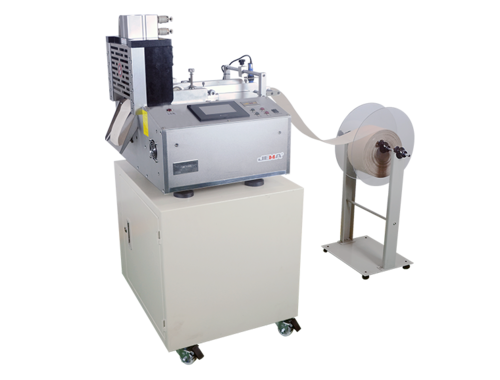
Fully automatic cutting, simple operation, wide application range and high cutting quality. ...
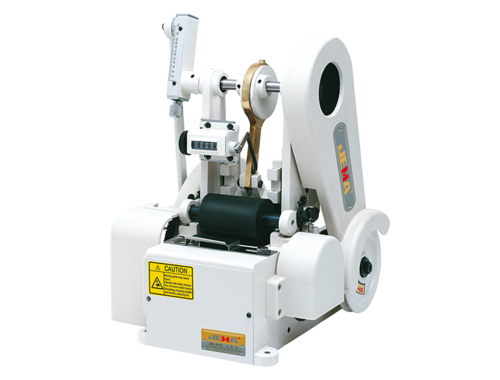
Features Shapes such as rounded corners, ellipses, full circles, etc. can be cut off. It ...
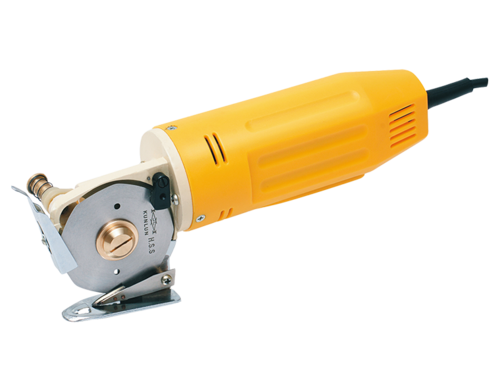
Features JM-6070 micro cutting machine is suitable for cutting curves, small arcs ...
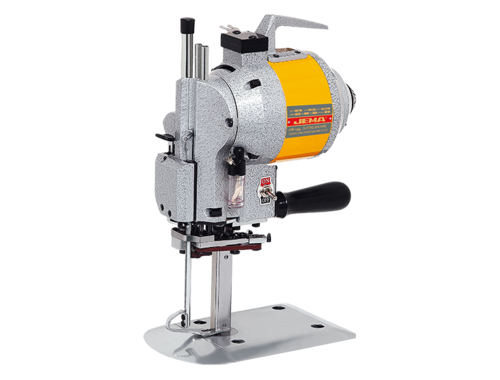
Features The JM-3D/3/103 electric cutting machine is compatible with KMCK8-EU Eastman Ele...

25 Years specializing in the production of various cutting machines.
©2021 Taizhou JEMA Sewing Machine Co., Ltd. Custom Elastic Tape Cutting Machine Manufacturers


 +86-576-88177528
 +86-576-88172167
 367# Guangxing Road, Xiachen Street, Jiaojiang District, Taizhou City, China.