

 EN
EN  英语
英语 中文简体
中文简体 西班牙语
西班牙语 越南语
越南语 葡萄牙语
葡萄牙语 土耳其语
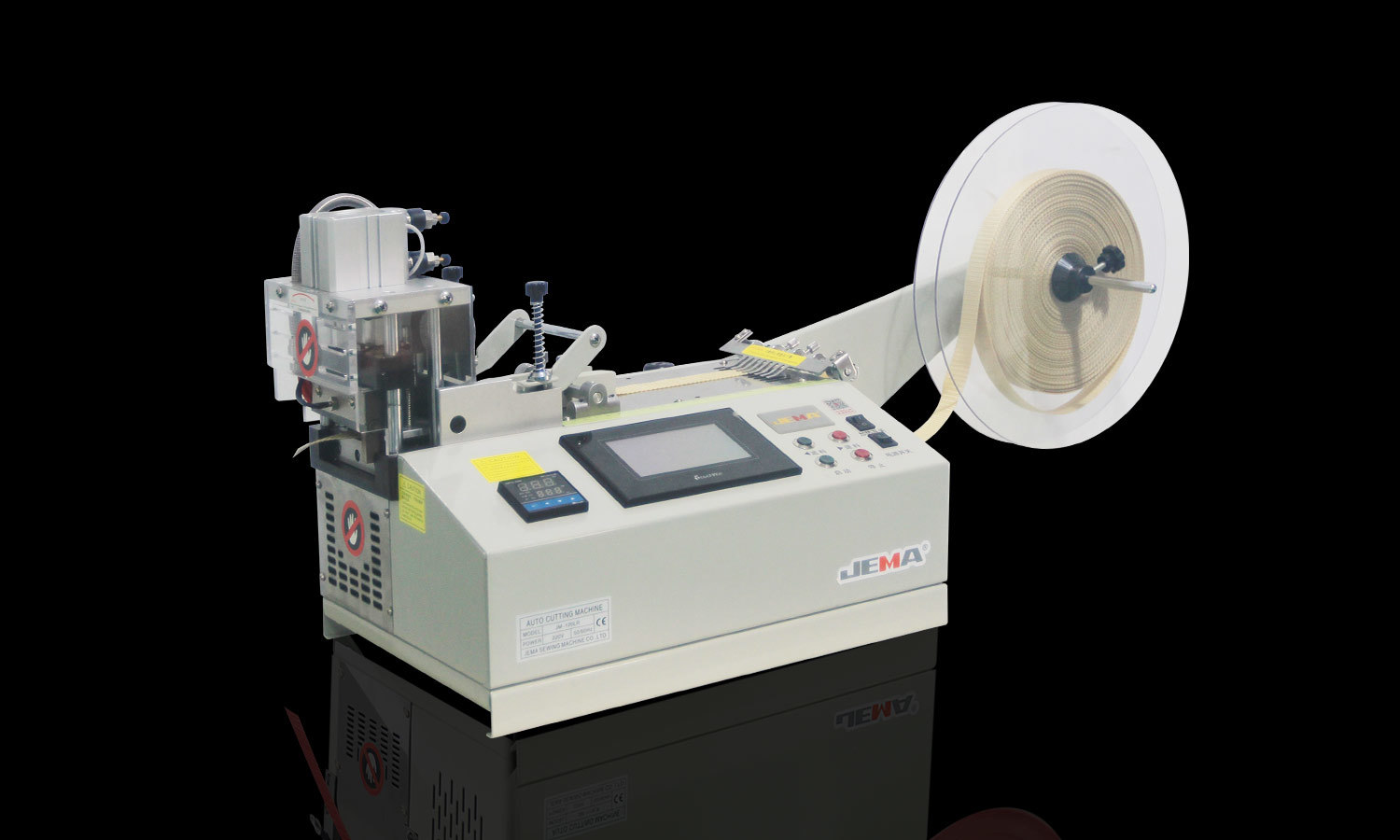
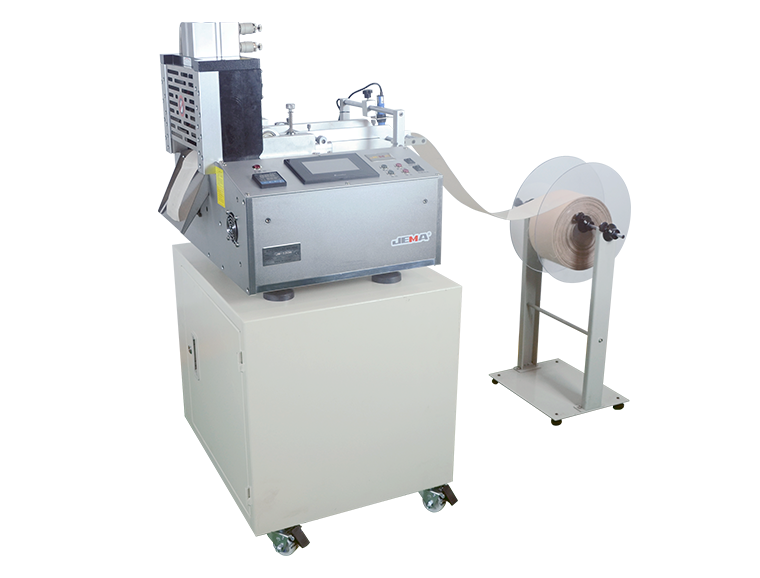
土耳其语Computer tape cutting machine (hot knife) JM-110H
Fully automatic cutting, simple operation, wide application range, high cutting quality, cold and...
Modern garment manufacturing often involves producing multiple styles of clothing, each with different fabric types, thicknesses, and button arrangements. A Button Feeding Machine must adapt to these variations to maintain efficiency, accuracy, and product quality. Without flexibility, manufacturers risk misfeeds, uneven stitching, and downtime due to frequent adjustments. Therefore, understanding how a Button Feeding Machine can handle different fabrics and button spacing is essential for optimizing production.
Fabric thickness and elasticity greatly influence the performance of button feeding systems. Lightweight fabrics such as silk or chiffon require gentle handling to prevent puckering, while heavier fabrics like denim or canvas demand stronger gripping and controlled movement. Modern Button Feeding Machines incorporate adjustable feed rollers and tension control systems that can be fine-tuned to match the material characteristics. These mechanisms ensure that the fabric moves smoothly without stretching or slipping, providing a stable base for precise button placement.
Different garments often require varying spacing between buttons, whether along a single row or multiple rows. To accommodate these differences, flexible machines include programmable spacing controls, adjustable guides, and sliding rails. Operators can set the exact distance between buttons according to the design requirements. Some machines feature memory presets, allowing for rapid recall of previously used configurations. This reduces setup time, reduces errors, and allows seamless transitions between production runs with different spacing requirements.
A Button Feeding Machine must also handle multiple button types, such as flat buttons, shank buttons, and decorative fasteners, which often have unique orientation requirements. Proper alignment is crucial to prevent skewed attachment or misfeeds. Flexible machines incorporate adjustable chutes, orientation devices, and sensors that detect incorrectly aligned buttons. These systems can either correct the orientation automatically or reject misaligned buttons, ensuring each button is delivered accurately to the sewing needle. This capability allows the machine to adapt to different designs and button styles without compromising quality.
The adaptability of a Button Feeding Machine is further enhanced by its integration with various sewing machines. Different sewing machines may have distinct needle positions, stitching patterns, and operational speeds. A flexible feeding machine can synchronize with these variables, adjusting the feed rate, timing, and button positioning to maintain consistent stitching. This integration reduces the need for multiple specialized feeders and allows a single machine to support diverse production lines efficiently.
Rapid changeover between different garments is critical in high-mix, low-volume production environments. Flexible machines feature modular components, quick-adjust guides, and easily programmable control panels to decrease downtime during setup. Operators can quickly switch between different button sizes, spacings, and fabric types without extensive reconfiguration. This ability enhances productivity and allows manufacturers to meet diverse production requirements while maintaining consistent quality.
Regular maintenance and calibration are key to sustaining flexibility over time. Components such as feed rollers, tension springs, and guides must be kept in suitable condition to ensure smooth operation across varying materials and layouts. Machines designed for easy access to adjustable components and simple maintenance procedures are better suited for long-term adaptability, reducing wear-related issues and ensuring consistent performance across multiple production cycles.
The flexibility and adaptability of a Button Feeding Machine are vital for handling garments with varying fabric thicknesses, button spacings, and layouts. Adjustable feeding mechanisms, programmable spacing controls, orientation devices, integration with different sewing machines, rapid changeover capabilities, and proper maintenance collectively enable the machine to meet diverse production requirements efficiently. By incorporating these features, manufacturers can achieve high precision, reduce downtime, and maintain consistent product quality, making the Button Feeding Machine an essential component in versatile garment production environments.
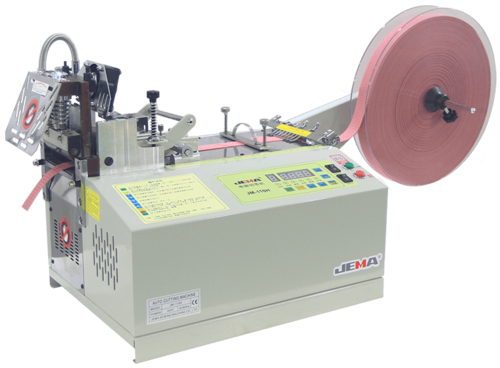
Fully automatic cutting, simple operation, wide application range, high cutting quality, cold and...
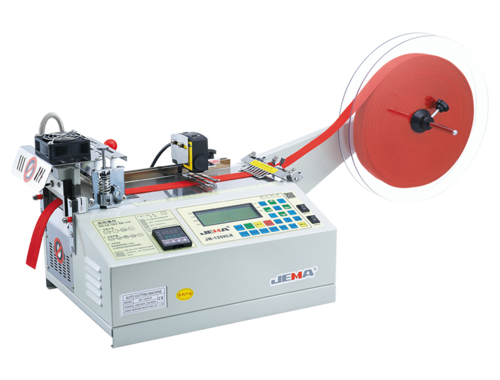
Fully automatic cutting, simple operation, wide application range and high cutting quality. ...
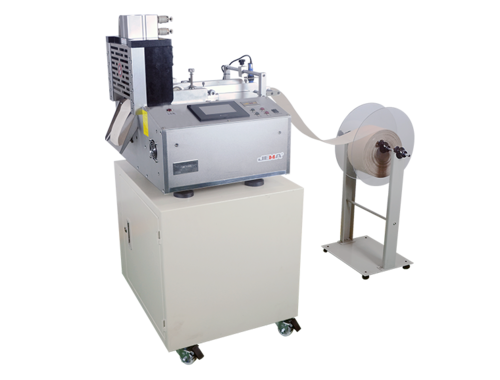
Fully automatic cutting, simple operation, wide application range and high cutting quality. ...
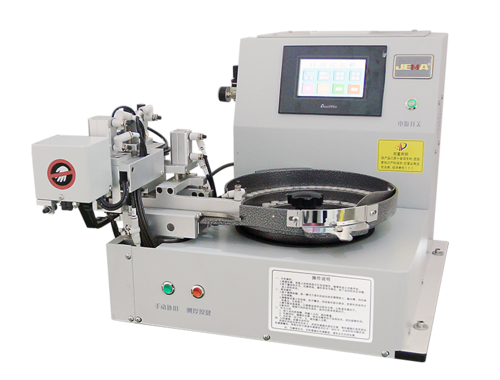
Features: 1. One-key width and thickness measurement function: When changing differe...

25 Years specializing in the production of various cutting machines.
©2021 Taizhou JEMA Sewing Machine Co., Ltd. Custom Elastic Tape Cutting Machine Manufacturers


 +86-576-88177528
 +86-576-88172167
 367# Guangxing Road, Xiachen Street, Jiaojiang District, Taizhou City, China.