

 EN
EN  英语
英语 中文简体
中文简体 西班牙语
西班牙语 越南语
越南语 葡萄牙语
葡萄牙语 土耳其语
土耳其语Computerized tape cutting machine (bevel/right angle) JM-120HX
The JM-120HX Computerized Tape Cutting Machine (Bevel / Right Angle) is a good fit when straight cu...
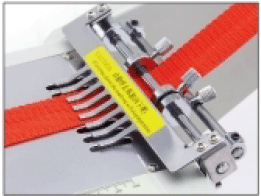
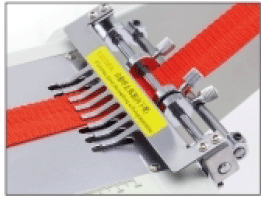
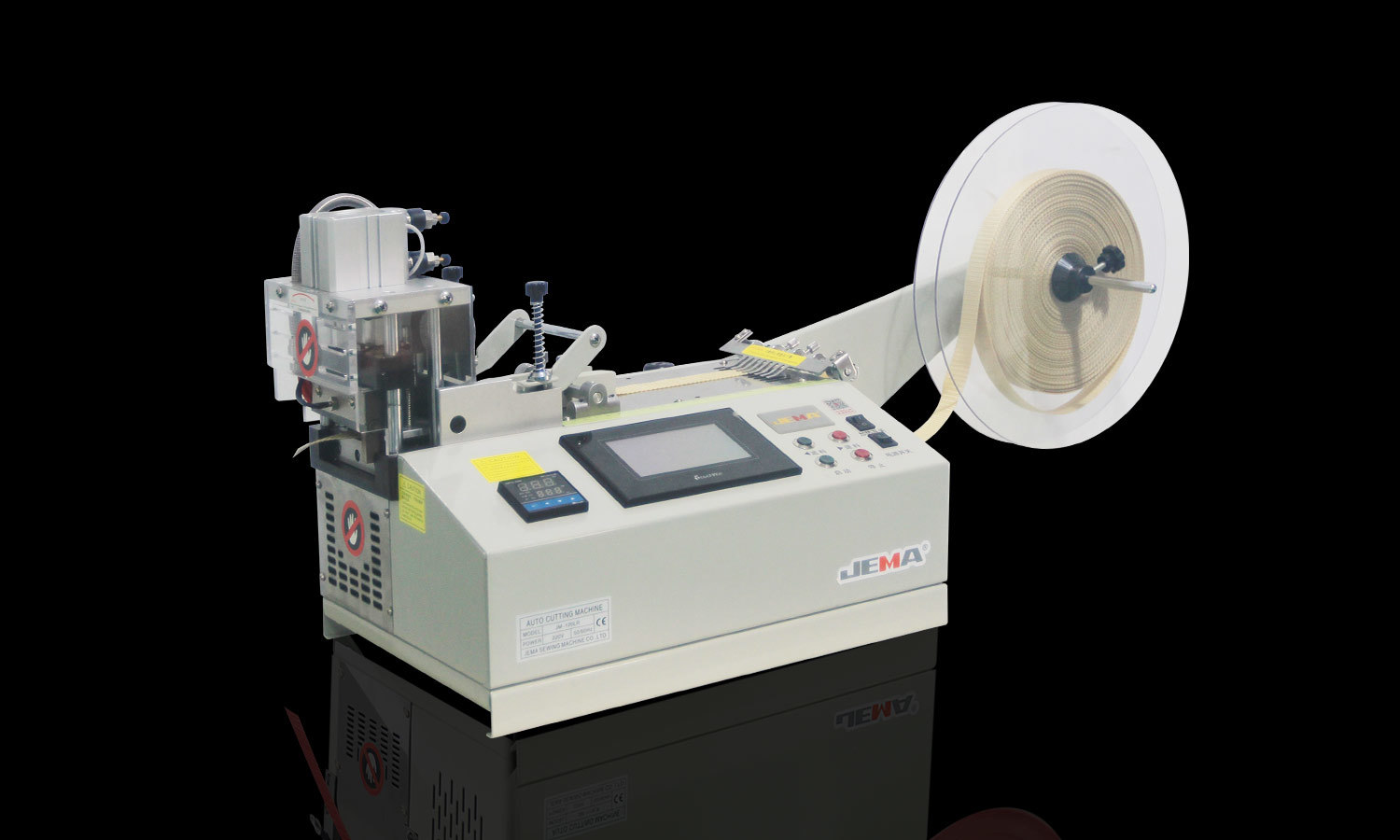
Elastic Cutting plays a crucial role in the production and processing of woven tapes, elastic bands, and stretchable medical or industrial fabrics. Selecting the appropriate cutting tool—whether a hot knife, cold knife, or ultrasonic cutter—directly impacts the quality, efficiency, and consistency of the final product. Each tool type has distinct advantages and limitations, and careful consideration of material properties, production volume, and desired edge quality is essential for suitable results.
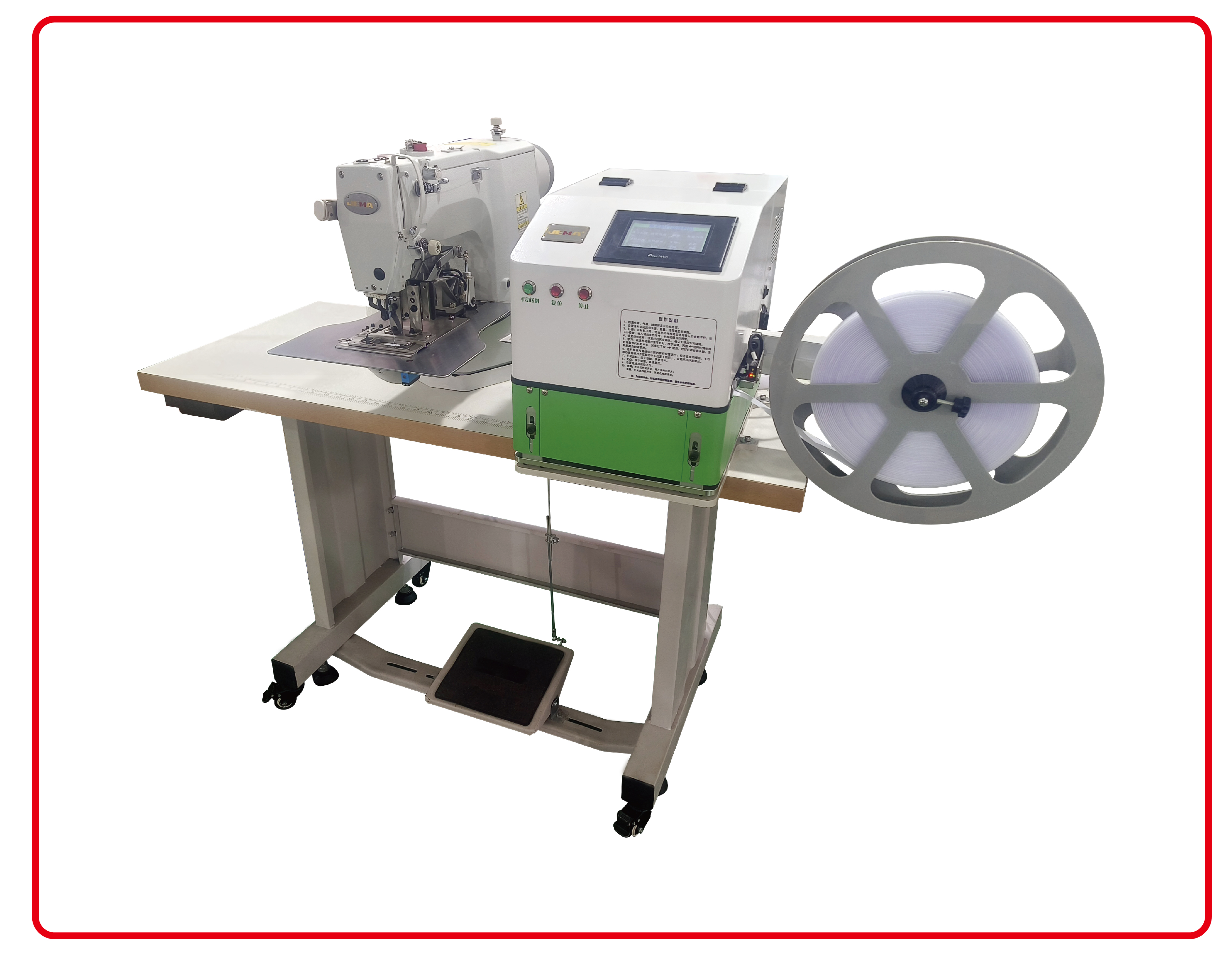
The one factor to consider in Elastic Cutting is the type of material being processed. Woven tapes and polyester elastic bands generally respond well to heat-assisted cutting, as the hot knife can simultaneously seal edges, preventing fraying. In contrast, delicate fabrics or latex-based bands may degrade or distort under excessive heat, making cold cutting more suitable. Ultrasonic cutting offers precise, fray-free edges for sensitive or composite materials, but requires higher upfront investment and specific machine calibration. The compatibility of the cutting method with the material's thermal and elastic properties ensures that the structural integrity of the band is maintained.
Another critical consideration is the required production throughput. Hot knife cutting is well-suited for high-speed, continuous operations because it can simultaneously cut and seal, reducing secondary processing steps. Cold knife cutting may be sufficient for low-volume production or prototype runs, as it typically requires slower operation and additional edge finishing. Ultrasonic cutters, while highly precise, must be evaluated for cycle time and energy consumption when used in large-scale production. Balancing production efficiency with the desired quality is essential for determining a suitable cutting method.
Edge quality is a primary concern in Elastic Cutting. Fraying, curling, or incomplete cuts can compromise the functionality and aesthetics of elastic bands. Hot knives provide a sealed edge for synthetic fibers, eliminating the need for additional finishing. Cold knives, however, may leave loose threads, requiring post-processing such as heat sealing or adhesive treatment. Ultrasonic cutters create clean, smooth edges for delicate or layered materials without generating heat damage, making them ideal for medical or high-precision applications. The intended use of the material—whether for apparel, medical devices, or industrial straps—affects the importance of edge integrity.
Safety and ease of machine setup are also important factors. Hot knives operate at high temperatures, requiring proper insulation, ventilation, and operator training to prevent burns or fire hazards. Cold knives are mechanically simpler and generally safer, but may require more manual handling. Ultrasonic systems involve high-frequency vibrations and electrical components that necessitate specialized training and regular maintenance to ensure consistent performance. Evaluating the operational complexity and safety requirements is essential when selecting the tool.
Finally, the cost of equipment and maintenance must be considered. Hot knives typically have lower initial costs but may require frequent blade replacement due to thermal wear. Cold knives have minimal maintenance but may increase labor costs due to slower cutting speeds. Ultrasonic cutters are more expensive upfront and require specialized servicing, but can reduce waste and improve quality, potentially lowering overall production costs. A careful assessment of both short-term and long-term expenses helps manufacturers make an informed choice.
Selecting the appropriate tool for Elastic Cutting of woven tapes, elastic bands, and stretchable fabrics requires careful evaluation of material compatibility, production volume, edge quality, safety, and cost. Hot knives, cold knives, and ultrasonic cutters each offer distinct advantages and limitations, and a suitable choice depends on the specific requirements of the application. By balancing these factors, manufacturers can achieve efficient production while maintaining high-quality, fray-free, and functional elastic products.
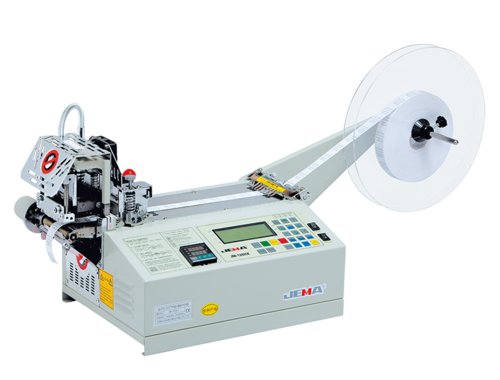
The JM-120HX Computerized Tape Cutting Machine (Bevel / Right Angle) is a good fit when straight cu...
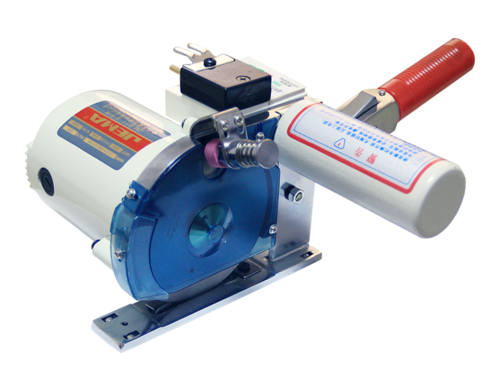
special function: Need to cut fabrics in large quantities, such as cotton, wool, and wire mesh...
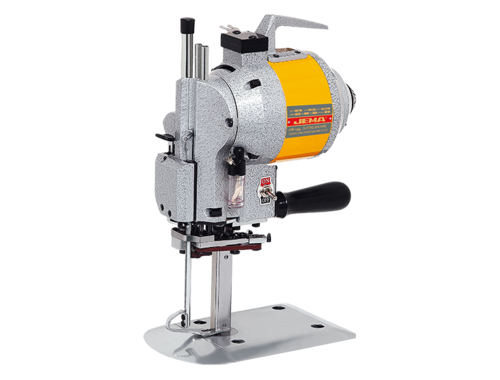
Features The JM-3D/3/103 electric cutting machine is compatible with KMCK8-EU Eastman Ele...
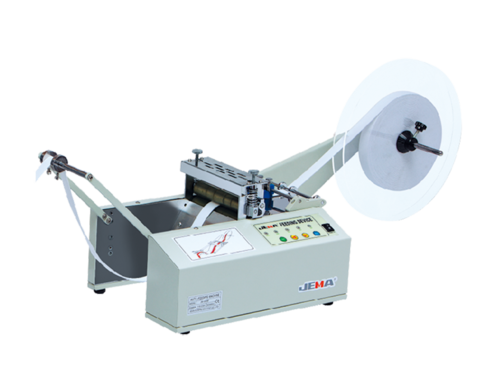
Features The fully automatic computerized belt feeder is a new type of multifunctional belt fe...

25 Years specializing in the production of various cutting machines.
©2021 Taizhou JEMA Sewing Machine Co., Ltd. Custom Elastic Tape Cutting Machine Manufacturers


 +86-576-88177528
 +86-576-88172167
 367# Guangxing Road, Xiachen Street, Jiaojiang District, Taizhou City, China.