

 EN
EN  英语
英语 中文简体
中文简体 西班牙语
西班牙语 越南语
越南语 葡萄牙语
葡萄牙语 土耳其语
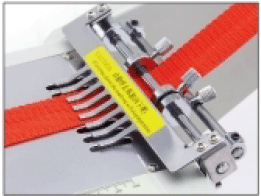
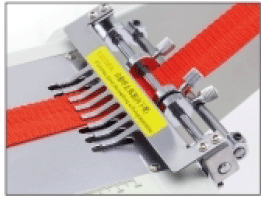
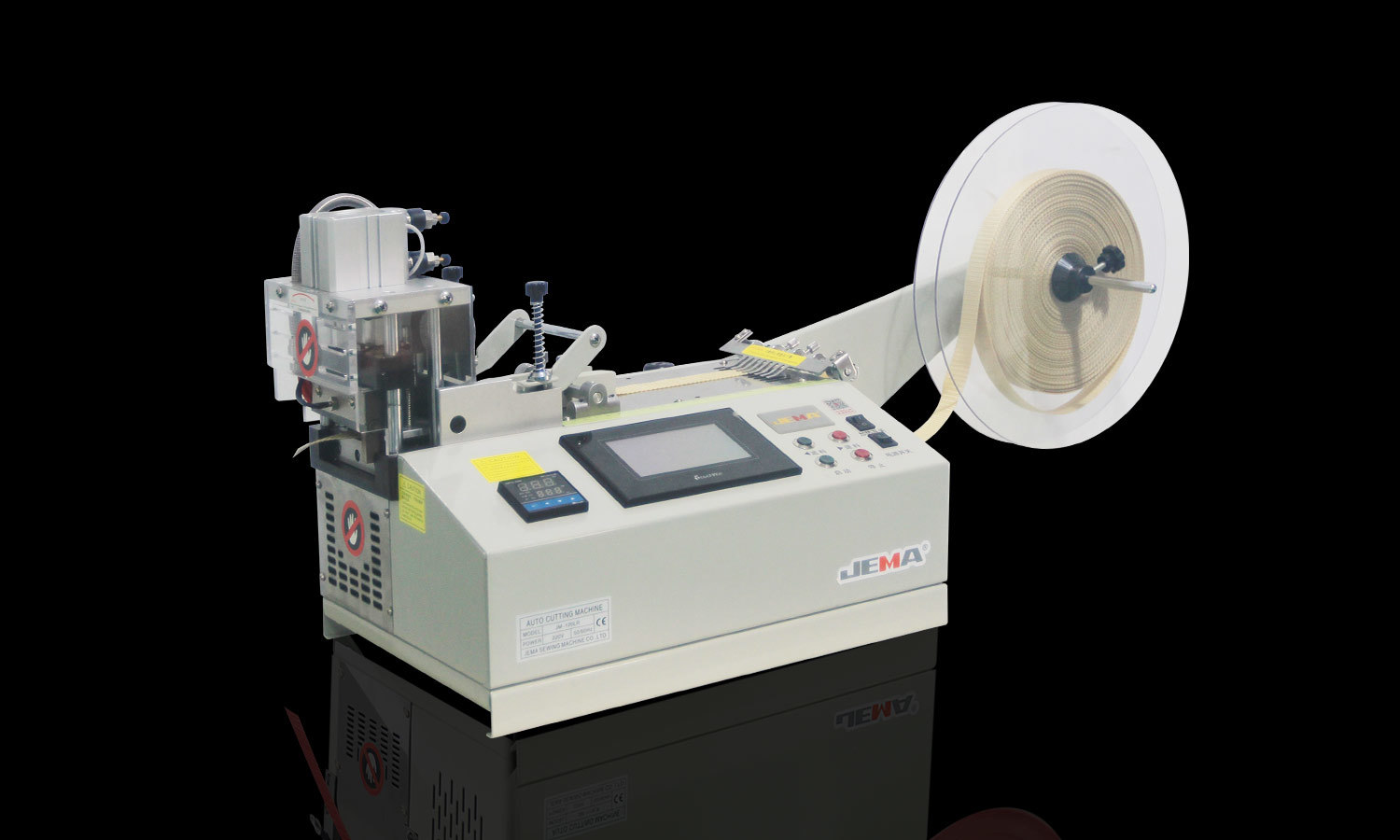
土耳其语Computer tape cutting machine (hot knife) JM-110H
Fully automatic cutting, simple operation, wide application range, high cutting quality, cold and...
In a lot of garment workshops, fabric cutting is still done in a very direct way. Fabric goes on the table, patterns are placed, and someone cuts along the lines. It looks straightforward from the outside. But once the work repeats day after day, small issues start to show up.
They are easy to ignore. A piece feels slightly off. Two pieces that should match do not sit perfectly together later. Nothing looks seriously wrong at the cutting table, but the difference appears when everything is sewn.
This is where a Fully Automatic Fabric Cutting Machine starts to become part of the discussion. Not because manual work suddenly stops working, but because the conditions in production are not the same as before.
Manual cutting is still common in many places, especially where work is flexible or not too large in volume. It feels familiar. People know how to handle it, and there is no need to set up a system before starting.
In real workshop situations, it is usually used because:
But there is a quiet limitation. The result depends on how steady a person is at that moment. Not in theory, but in real working time. After a few hours, hands get tired. Fabric shifts a little. Lines that looked clear at the start do not always stay exactly the same.
The problems in manual cutting are not dramatic. They build slowly. A small change here, a small shift there.
In workshops, this often looks like:
One situation that happens quite often is with stacked fabric. The top layer looks correct, but lower layers can move a little during cutting. Nobody notices it at that moment. It only becomes clear when the pieces are assembled.
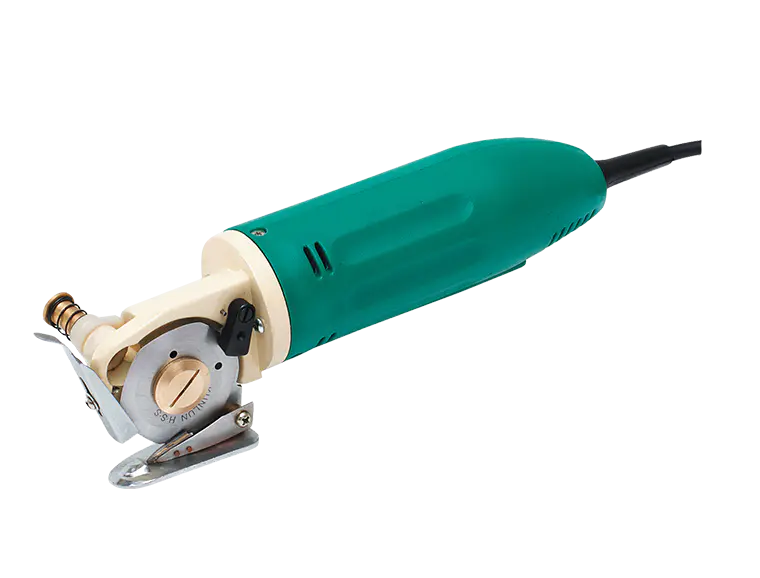
Fabric is not fixed in place. It reacts to touch, pressure, and even how it is laid down. This is something that is often underestimated.
In actual workshop use, fabric can behave like this:
These changes are small, but they are enough to affect how well pieces match later. The cutting may look fine on its own, but the real test comes when parts are joined.
When a Fully Automatic Fabric Cutting Machine is used, the way cutting is done changes in steps, not all at once. The biggest difference is that the cutting path is not decided by hand in real time.
Instead, the process becomes more fixed:
What changes here is not just the tool, but the role of the worker. Instead of cutting every piece manually, attention shifts to preparing fabric and making sure the setup is correct before starting.
Stacking fabric sounds simple, but in practice it is one of the steps that decides how stable the result will be.
Before cutting starts, fabric is usually:
Inside a Fully Automatic Fabric Cutting Machine, all layers are cut together. If something moves at the bottom, it affects everything above it. That is why the setup stage often gets more attention than the cutting itself.
| Point of Work | Manual Cutting | Machine Based Cutting |
|---|---|---|
| Fabric placement | Adjusted during cutting | Fixed before starting |
| Cutting motion | Hand guided | Controlled path |
| Layer behavior | Can shift without notice | Kept stable during process |
| Output shape | Slight variation can appear | More aligned pieces |
| Work flow | Repeated manual steps | Continuous process |
In garment work, consistency is not about making everything identical in theory. It is about whether pieces can fit together later without extra adjustment.
With machine cutting, consistency improves mainly because:
This makes later sewing work smoother, because parts are closer in shape from the start.
When a Fully Automatic Fabric Cutting Machine is introduced into a workshop, the change is not only at the cutting table. The whole flow of work adjusts a bit.
In daily operation, this often means:
Workers usually move away from doing all cutting directly. Instead, they focus more on setup, checking, and keeping the process stable.
Different fabrics behave differently when handled. Some stay flat easily. Others move or stretch even when placed carefully.
In real use:
Even with a Fully Automatic Fabric Cutting Machine, fabric still needs proper handling. The machine controls the cutting path, but the fabric condition before cutting still affects the result.
Fabric waste is often linked to how pieces are arranged before cutting starts. In manual work, layout depends a lot on visual judgment, which can leave unused gaps or uneven spacing.
With controlled cutting:
The machine helps keep this structure during cutting, so the planned layout is not easily disturbed during execution.
In a real garment workshop, fabric cutting does not end at the cutting table. Even when a Fully Automatic Fabric Cutting Machine is introduced, the work around it still depends on people, habits, and how carefully the fabric is handled before and after the process.
The machine changes the way cutting is done, but not the fact that fabric is sensitive. It still moves, still reacts, and still depends on how it is placed in the beginning.
In daily use, operators are not standing away from the process. They stay close, but their role is different from hand cutting.
Typical tasks include:
The work becomes less about cutting with hands, and more about keeping everything stable so the machine can do its part without disturbance.
Even with a Fully Automatic Fabric Cutting Machine, workshops still face small issues from time to time. Most of them come from preparation rather than the machine itself.
In practice, situations like these can happen:
The machine follows the path it is given, so if the fabric is not stable at the start, that condition carries through the whole process.
In daily factory use, machines are often running for long hours. Over time, small changes in condition can affect how smoothly cutting happens.
Regular attention usually includes:
Without this kind of routine care, cutting edges may slowly lose their clean finish, or movement may not feel as steady during operation.
Manual cutting keeps workers very close to blades and fabric edges. With automated systems, the working distance naturally changes.
In workshop use, this often means:
The workspace feels more organized, with fewer random movements around cutting areas.
Automation reduces many irregularities, but it does not remove every challenge. Fabric still behaves differently depending on how it is handled.
Some common workshop situations include:
These are usually linked to preparation, storage, or handling, not the cutting system itself.
| Stage | Manual Cutting Habit | Automated Cutting Habit |
|---|---|---|
| Before cutting | Marking by hand | Layout and alignment |
| Cutting process | Direct hand control | Guided machine movement |
| During operation | Continuous attention | Monitoring and checking |
| After cutting | Individual piece checking | Batch collection and inspection |
The decision is rarely sudden. It usually comes from daily experience in production.
Factories often start to consider changes when:
A Fully Automatic Fabric Cutting Machine is usually seen as part of improving stability in the cutting stage, rather than replacing people completely.
Fabric cutting is no longer only about hand skill in many places. It is becoming part of a more structured process where each stage depends on the previous one.
In current workshop practice:
The cutting stage sits between fabric storage and sewing, so any small improvement here affects the rest of the workflow.
After using a Fully Automatic Fabric Cutting Machine, daily work feels different, but not in a dramatic way. The change is more about rhythm and responsibility.
Workers often notice:
The work becomes less about direct cutting effort and more about keeping conditions stable so the machine can operate without interruption.
In garment production, fabric cutting sits in a position that affects everything after it. Manual cutting depends heavily on human steadiness, while automated cutting depends more on preparation and controlled execution.
A Fully Automatic Fabric Cutting Machine does not remove the need for people. It changes where people focus their effort. Instead of cutting each piece by hand, attention moves to preparing fabric, checking alignment, and keeping the process stable from start to finish.
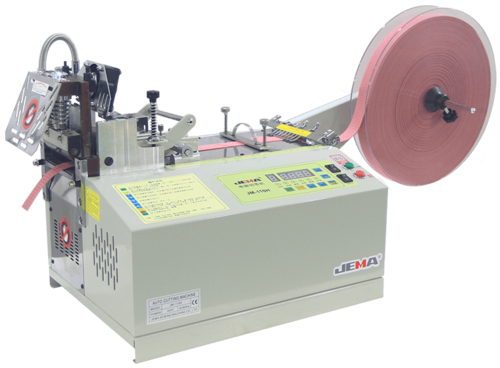
Fully automatic cutting, simple operation, wide application range, high cutting quality, cold and...
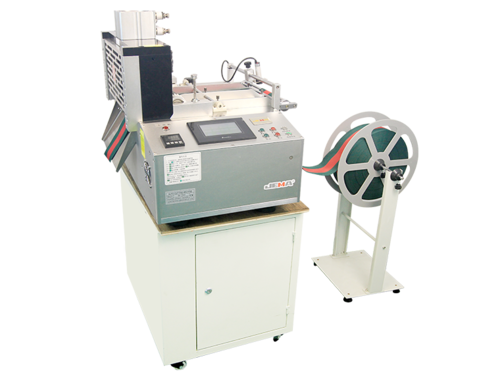
Fully automatic cutting, simple operation, wide application range and high cutting quality. Cold ...
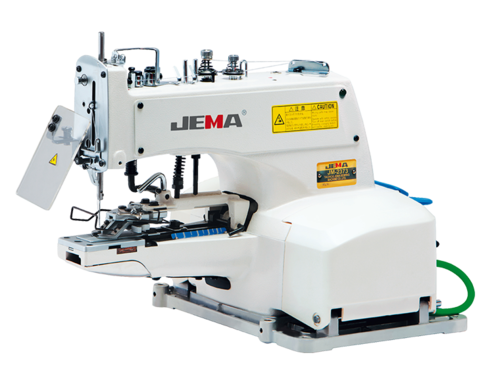
Features Quickly adapt to a variety of sewing requirements. Corresponding to the changes in sewing...
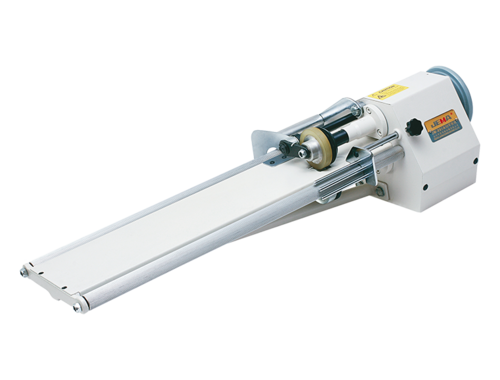
special function: This sturdy machine is completely used for the manufacture of braided belts....

25 Years specializing in the production of various cutting machines.
©2021 Taizhou JEMA Sewing Machine Co., Ltd. Custom Elastic Tape Cutting Machine Manufacturers


 +86-576-88177528
 +86-576-88172167
 367# Guangxing Road, Xiachen Street, Jiaojiang District, Taizhou City, China.