

 EN
EN  英语
英语 中文简体
中文简体 西班牙语
西班牙语 越南语
越南语 葡萄牙语
葡萄牙语 土耳其语
土耳其语Multifunctional Computerized Tape Cutting Machine (Hot Knife) JM-150H
Fully automatic cutting, simple operation, wide application range, high cutting quality, smooth c...
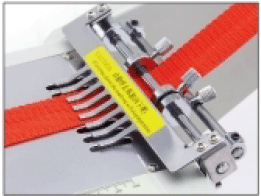
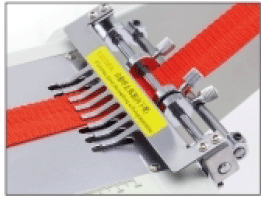
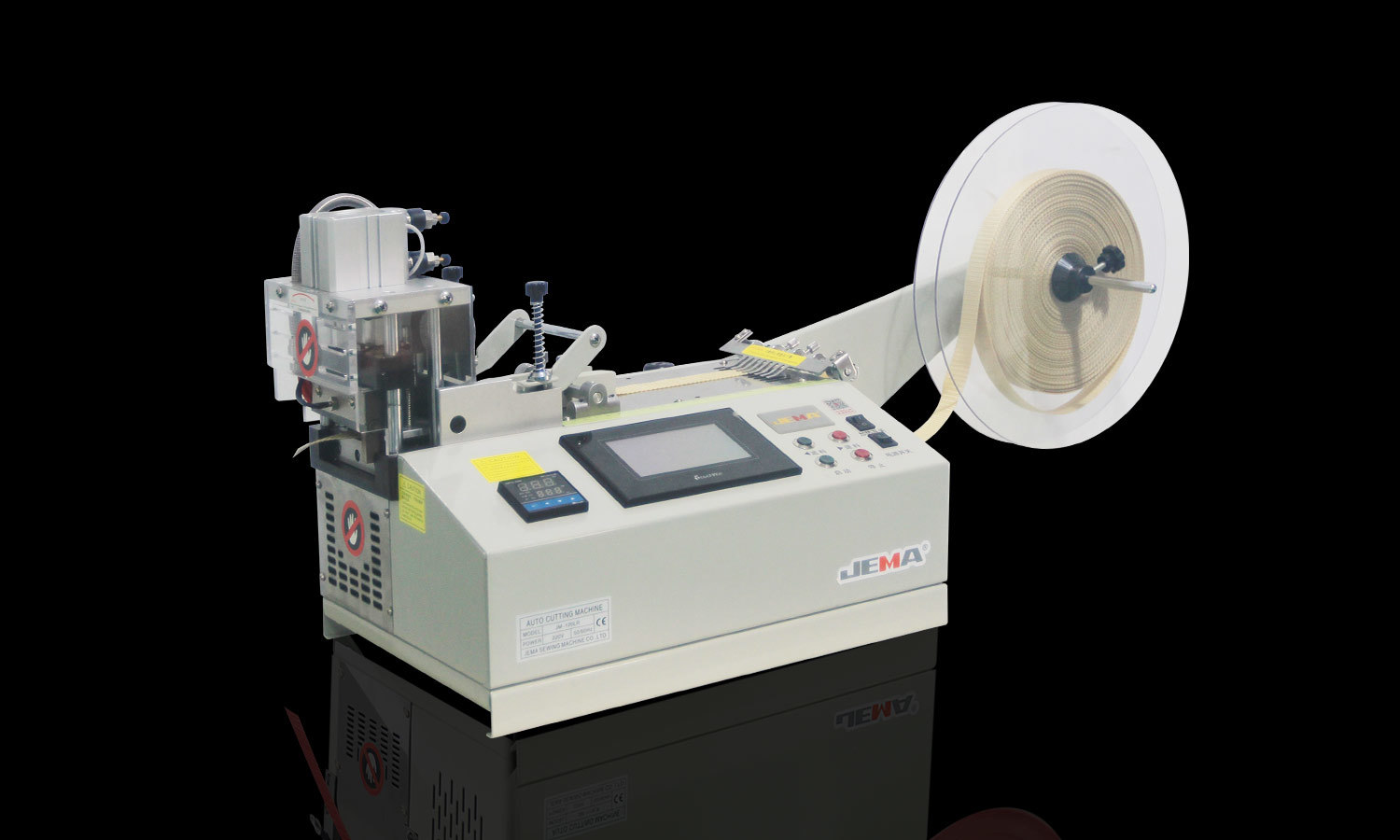
Elastic materials are used in many textile products where stretch and recovery are needed. In production, cutting is one of the steps that quietly decides how the final product will behave later. If the edge comes out clean, the next processes usually go more smoothly. If the edge is rough or uneven, extra work often appears afterward.
In many workshops, elastic cutting is done with a tape cutting machine, which helps turn long rolls of material into narrower strips or required lengths. The machine does the cutting, but the result is not only about the machine itself. The material, the blade, and even small changes in feeding can all leave marks on the edge.
Elastic fabric is not like rigid material. It bends, stretches, and slowly returns to shape. Because of that, it does not stay still during processing.
In some textile equipment discussions, companies like Taizhou JEMA Sewing Machine Co., Ltd. are often mentioned in connection with machinery used in sewing and cutting lines.
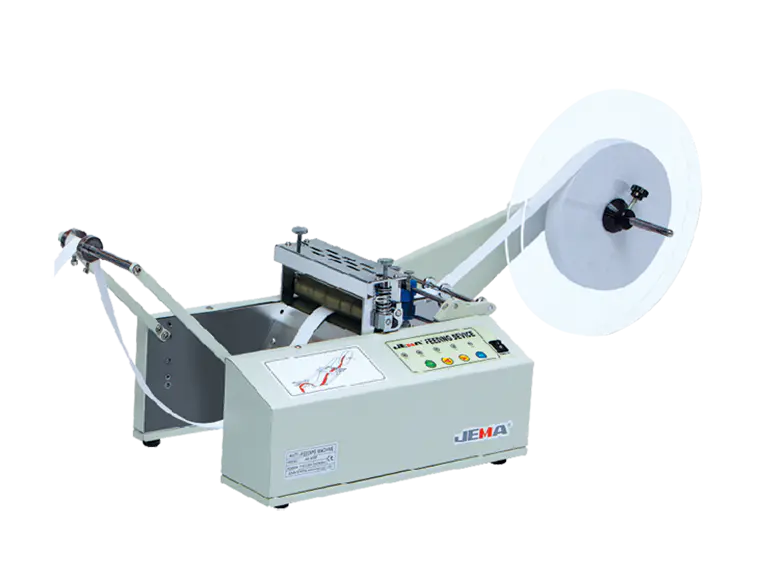
elastic cutting is simply the process of cutting stretchable materials into strips or shapes that can be used later. These materials are soft, flexible, and usually made from woven or knitted fibers.
Unlike harder materials, elastic fabric reacts while being processed. It can stretch when pulled, shift slightly during feeding, or curl once it is cut. That makes the cutting process more sensitive than it looks.
Where It Is Used
elastic cutting appears in many common production areas, such as:
Each type of product may need slightly different handling. Some are soft and thin, others are thicker and more tightly structured.
What Production Usually Tries To Keep Stable
In some cases, workers pay attention to a few simple things:
When these stay under control, later steps like stitching or folding are easier.
Edge condition is not just about how something looks. It also affects how the material behaves after cutting and during use.
Appearance After Cutting
A clean edge usually gives a more finished look. When the edge is rough, it becomes easier to notice after sewing or folding.
Some common edge issues include:
These problems may seem small, but they often become more visible once the product is assembled.
Behavior During Use
Elastic materials are expected to stretch many times during use. If the edge is not stable, it may slowly lose strength.
This can affect:
Even narrow elastic strips depend on clean edges to keep their structure during repeated movement.
Effect On Work Flow
When cutting goes well, everything after it tends to move without interruption. Sewing is smoother, and there is less need for extra trimming.
When edge quality is unstable, extra steps often appear:
So edge condition often becomes a reference point in daily production control.
Elastic materials are not all the same. Even small differences in structure can change how they react under a blade.
Stretching And Tension
One of the main factors is how the material behaves when it is pulled through the machine.
If tension is not balanced:
If it is pulled too tightly, it may stretch before cutting and then shrink back afterward, changing the final size.
Keeping tension steady is often more important than speed in many cases.
Thickness And Structure
Elastic materials can be thin, layered, or reinforced depending on their use.
Thin materials:
Thicker materials:
Because of this, settings are usually adjusted based on material type rather than using one fixed condition.
Fiber Layout
Elastic fabrics are often made from knitted or woven fibers. The direction and density of these fibers affect how cleanly they separate when cut.
Tighter fibers usually resist cutting more, while looser structures may leave more loose threads at the edge.
Heat Response
Some elastic materials react to heat during cutting. In certain processes, heat helps seal the edge slightly, reducing loose fibers.
But if heat is not balanced:
That is why temperature is usually adjusted slowly instead of changing it suddenly.
Sharpness
A sharp blade cuts cleanly through fibers without dragging them. When the blade becomes dull, it starts to pull material before cutting.
This often leads to:
Regular checking helps avoid sudden changes in cutting quality.
Blade Movement
Not only sharpness matters. The way the blade moves also plays a role. If there is slight vibration or misalignment, the cutting line may drift.
Stable movement helps keep:
After long use, blades naturally wear down. This does not always show immediately, but cutting quality may slowly change.
Because of that, cleaning and inspection are usually done regularly instead of waiting for visible damage.
The machine itself also influences how the material is cut. Even a good blade cannot fully correct unstable feeding or poor pressure control.
Feeding Movement
Material feeding must stay steady. If it moves unevenly, the cutting line may shift or twist slightly.
Stable feeding helps:
Cutting Speed
Speed changes how the blade interacts with the material. If it is too fast, the cut may not fully separate the fibers. If it is too slow, friction may increase.
In many cases, speed is adjusted based on:
Holding Pressure
Before cutting, the material is held in place. If pressure is uneven, the material may slip during cutting.
Good pressure balance helps:
| Part | Role |
|---|---|
| Feeding Roller | Moves material forward |
| Cutting Blade | Performs the cutting |
| Clamping Area | Holds material steady |
| Control Panel | Adjusts settings |
| Sensor Section | Checks position |
| Waste Area | Collects leftover pieces |
Heat is sometimes used during elastic cutting, but it is not always the main part of the process. For some materials, a bit of heat helps the edge stay cleaner after cutting. For others, it can easily change how the fabric behaves, so it has to be handled with care.
When heat is applied, the edge may seal slightly while being cut. This can reduce loose threads, especially on synthetic elastic materials. But the result is not always the same. Even small changes in temperature can show up on the final edge.
In real production, heat influence is usually noticed in a few simple ways:
These changes are not always serious, but they may affect how the material feels during sewing or wearing.
Even when the machine runs normally, edge problems can still appear.
Frayed Edge
Typical reasons include:
Soft and loosely woven elastic materials tend to show fraying more easily.
Uneven Cutting Line
Sometimes the edge is not straight. It may drift slightly to one side along the strip.
This usually comes from:
Even a slight movement can become visible over a long cutting length.
Curling After Cutting
Some elastic materials curl once they are released from tension. This is part of the material's natural recovery.
Curling becomes more noticeable when:
In many cases, curling is not a defect, but it can still affect later sewing steps.
Burned Or Hardened Edge
When heat is involved, the edge may sometimes look slightly dark or feel harder than the rest of the material.
This usually happens when:
The change is often small, but it can affect softness near the edge.
Inspection is usually not a single step at the end. It happens throughout production, especially because elastic materials can change shape easily.
Visual Checking
The direct method is simple visual checking. Operators usually look at:
This kind of checking is quick but very common in daily work.
Size And Width Check
Elastic strips need to stay close to the required width. If the material shifts during cutting, the width may change slightly.
So operators often check whether:
Simple Stretch Test
After cutting, elastic strips are often stretched lightly by hand. This helps check whether the edge holds its shape.
If the edge opens or loosens too easily, it usually means something in the cutting process needs adjustment.
In some production lines, parts of elastic cutting are supported by automated systems. The goal is not to remove human work completely, but to keep the process more stable.
Steady Feeding System
One useful part of automation is controlled feeding. Instead of relying only on manual handling, the machine guides the material forward in a more stable way.
This helps reduce:
Position Control Sensors
Some systems include sensors that check where the material is during cutting. If it moves slightly, adjustments can be made while the machine is running.
This helps keep:
Repeated Cutting Stability
When cutting is repeated many times, small differences can build up. Automation helps keep each cycle closer to the same condition.
Still, material behavior remains a key factor, so human checking is not completely removed.
elastic cutting is not controlled by one single setting. It is more about small adjustments made during operation.
Watching Material Movement
Operators usually watch how the material moves before and during cutting. If it starts to drift or stretch too much, adjustments are made early.
Small corrections at the beginning often prevent larger problems later.
Small Machine Adjustments
Instead of changing everything at once, adjustments are usually gradual:
This helps avoid sudden changes in cutting behavior.
Keeping Conditions Steady
The stable cutting results usually come from steady conditions rather than fast changes.
When feeding, blade condition, and tension stay balanced, the edge tends to remain more consistent throughout production.
elastic cutting looks simple, but in practice it depends on many small details working together. Material behavior, blade condition, feeding stability, and temperature all influence the final edge.
When these factors stay balanced, cutting feels smoother and more predictable. When one of them shifts, the edge usually shows it quickly.
That is why in daily production, attention is often placed not on one setting, but on keeping everything steady during the whole process.
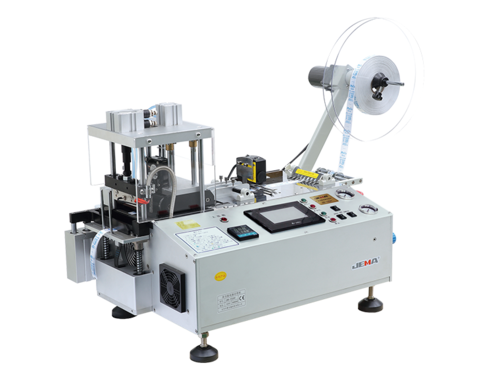
Fully automatic cutting, simple operation, wide application range, high cutting quality, smooth c...
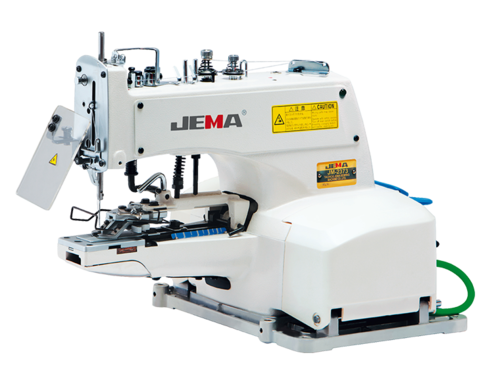
Features Quickly adapt to a variety of sewing requirements. Corresponding to the changes in sewing...
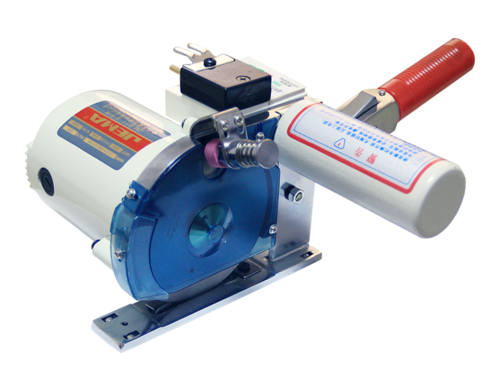
special function: Need to cut fabrics in large quantities, such as cotton, wool, and wire mesh...
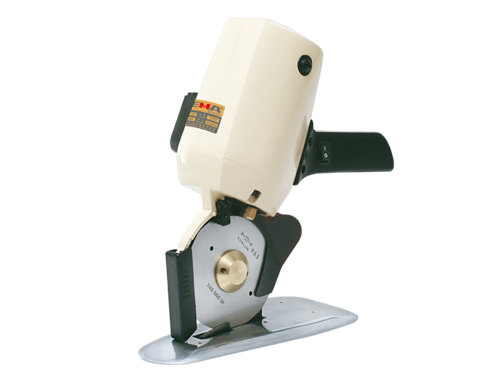
Features The JM-60/70 miniature cutting machine is suitable for cutting curves, small arcs and...

25 Years specializing in the production of various cutting machines.
©2021 Taizhou JEMA Sewing Machine Co., Ltd. Custom Elastic Tape Cutting Machine Manufacturers


 +86-576-88177528
 +86-576-88172167
 367# Guangxing Road, Xiachen Street, Jiaojiang District, Taizhou City, China.