

 EN
EN  英语
英语 中文简体
中文简体 西班牙语
西班牙语 越南语
越南语 葡萄牙语
葡萄牙语 土耳其语
土耳其语Computer tape cutting machine (cold knife) JM-110L
Fully automatic cutting, simple operation, wide application range and high cutting quality. ...
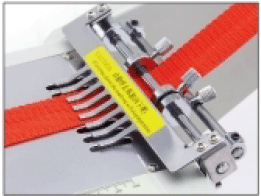
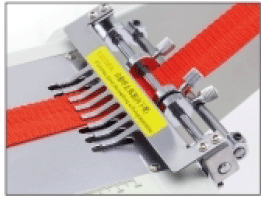
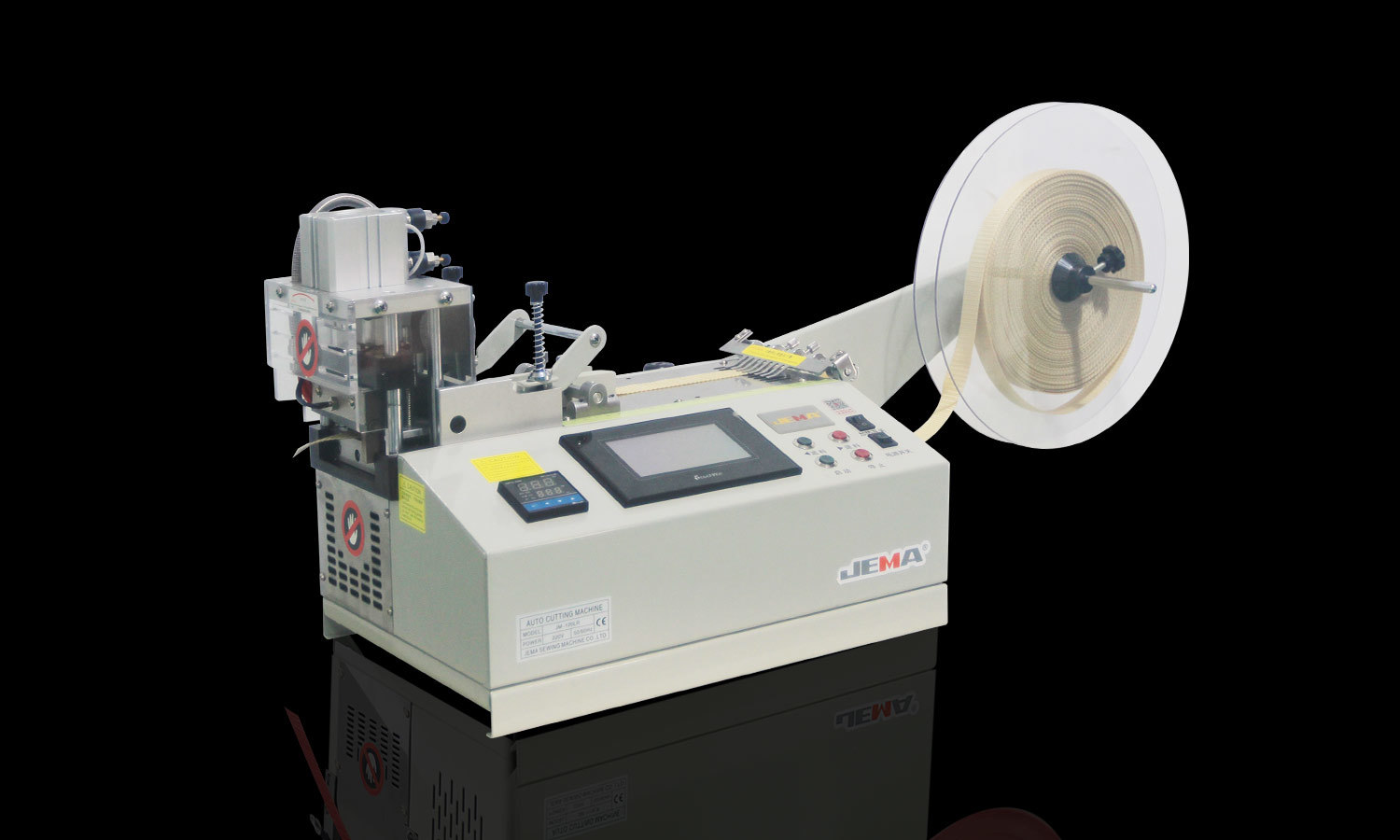
In many production workshops, materials that can stretch and return to shape are handled in daily processing tasks. When these materials need to be divided into strips, shapes, or usable parts, cutting becomes part of the workflow.
Unlike rigid materials, elastic ones do not stay still when force is applied. They stretch slightly, then slowly return after pressure is removed. This simple behavior changes how cutting has to be carried out in real operation.
A cutting machine is usually used to guide the material through the process. It helps keep movement steady and reduces sudden shifts that can affect the final shape. Without this kind of control, the material may drift during cutting and create uneven edges.
In practical manufacturing environments, including equipment development settings such as those related to Taizhou JEMA Sewing Machine Co., Ltd. , attention is often placed on how flexible materials respond when they are continuously processed rather than treated in short steps.
Elastic cutting is not only about separating material. It is also about keeping the material calm during movement, so the shape does not change unexpectedly.
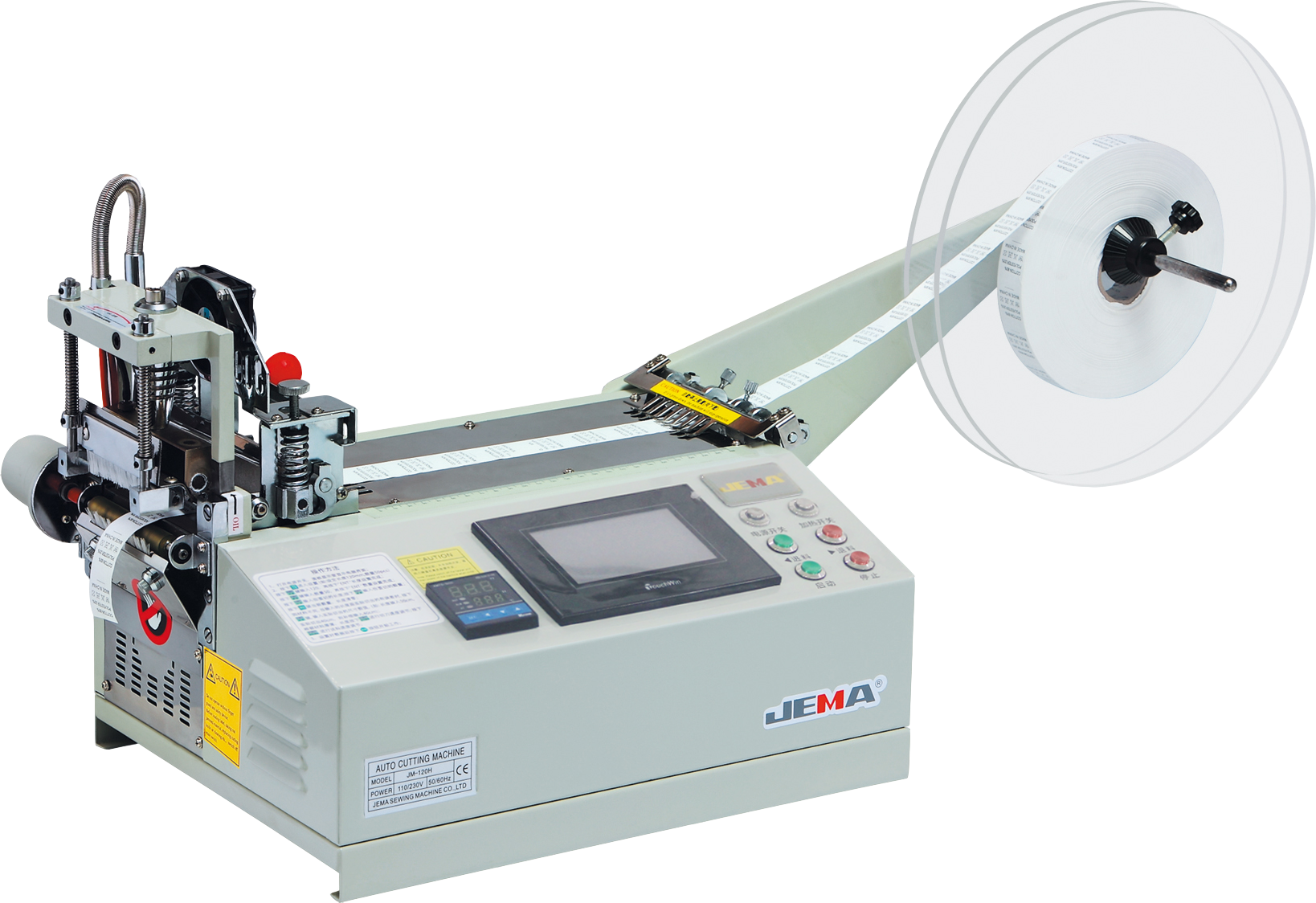
Elastic materials behave in a way that is not fully fixed. When pressure is applied, they stretch. When pressure is removed, they return, but not always in the same position they had before cutting.
This creates a small challenge during processing. The material is always in a slight state of movement, even when it appears still.
During cutting, several natural behaviors can be noticed:
These reactions are not errors in the material itself. They are part of how flexible structures behave when force is applied.
Because of this, cutting needs to focus not only on where the cut happens but also on how the material behaves during and after contact with the blade.
Elastic Cutting works through a controlled process where flexible material is guided, held, and then separated under steady conditions.
The key idea is balance. The material must not be too loose, and it must not be too tight. Both conditions can affect the final shape.
A cutting machine is often used to manage this balance. It provides controlled movement and helps keep the material aligned during cutting. This reduces sudden shifting that can happen when elastic materials are under uneven pressure.
The process can be understood in three simple parts:
If any part of this flow becomes unstable, the final result may shift slightly. This is why elastic cutting often depends more on stability than on cutting force itself.
A cutting machine plays a practical role in supporting cutting operations. It does not only cut material but also helps guide how the material moves through the system.
In simple terms, it acts as a control point between feeding and cutting.
The machine usually handles:
Each of these elements works together to keep the process steady.
If feeding is uneven, the material may stretch before reaching the cutting point. If pressure is inconsistent, edges may appear irregular after separation. Because elastic materials respond quickly to force, small changes in machine behavior can become visible in the final output.
A simple comparison of control areas:
| Function Area | Role in Process | Effect on Material |
|---|---|---|
| Feeding control | Guides material entry | Reduces uneven stretch |
| Cutting motion | Applies separation force | Shapes clean edges |
| Alignment support | Maintains position | Prevents distortion |
| Pressure control | Adjusts cutting force | Improves edge consistency |
The cutting machine is therefore closely connected to how predictable the final result becomes.
Before cutting begins, the material must enter the system in a controlled way. This stage is often more sensitive than the cutting itself.
Elastic materials can easily change shape when pulled or pushed. If feeding is not steady, the material may stretch in one area and stay loose in another.
To reduce this effect, the cutting machine uses a guided feeding system. It helps the material move forward in a stable line without sudden tension changes.
Important points in this stage include:
Even small changes in tension can affect how the material behaves once it reaches the blade.
After cutting, the material does not always stay exactly in the same shape immediately. Because of its flexible nature, it may adjust slightly after being released.
The edge formation depends on how stable the cutting conditions were during processing.
If tension was controlled well, edges tend to look more even. If the material shifted during cutting, edges may show slight variation.
Common post-cut behaviors include:
These changes are normal for elastic materials and are linked to their internal structure.
The cutting machine influences this stage indirectly by controlling how steady the separation process is.
Elastic Cutting is different from cutting rigid materials mainly because of movement behavior.
Rigid materials stay fixed when pressure is applied. Elastic materials do not. They stretch and adjust during contact, which changes how cutting must be controlled.
Key differences include:
Because of this, Elastic Cuttingneeds more attention to movement control rather than only cutting force.
The cutting machine must therefore respond to flexible behavior rather than treating all materials in the same way.
Cutting is used in many production environments where flexible materials are shaped into usable forms.
These applications often require consistency in width, shape, or edge condition.
Common usage includes:
In each case, the goal is not only to cut but also to keep material behavior stable for later steps.
Elastic materials are not always made in the same way. Their internal structure can vary, which affects how they respond during cutting.
Some materials stretch easily, while others resist movement. This difference changes how the cutting machine must operate.
Factors that influence performance include:
These factors affect how the material reacts under pressure and how stable the cutting line becomes.
Because of this variation, adjustments are often made during operation to match material behavior.
To maintain stable cutting results, machine settings need to be adjusted according to material behavior.
There is no single fixed condition that fits all materials. Instead, adjustments are made based on real response during operation.
Key adjustment areas include:
The cutting machine must remain flexible enough to handle these variations without affecting consistency.
During operation, several challenges may appear depending on material behavior and machine balance.
These include:
Most of these issues come from material response rather than cutting force alone.
Even with a stable cutting machine, operator handling still influences results.
Simple actions such as checking material placement, observing tension, and adjusting alignment can improve consistency.
Elastic materials react quickly, so careful handling before and during cutting helps reduce variation.
Once cutting is finished, the material does not always stay exactly the same as it looks at the moment of separation. It often shifts a little after it is released from pressure. This is normal for flexible materials, but it still matters in production because small changes can affect later use.
What usually decides stability is not only the cut itself, but the condition the material was in during cutting. If it was held evenly and moved in a steady way, the shape tends to settle more smoothly afterward. If tension was uneven, the edges may slowly adjust after release.
In real workshop situations, people often notice a few simple patterns:
The cutting machine contributes indirectly to this. When movement is steady and feeding is smooth, the material behaves in a more predictable way after separation.
Most of the time, quality is judged by looking at how the cut piece behaves once it is placed flat, not just during cutting.
A cutting machine used for cutting works with flexible materials all the time, so its condition slowly changes with use. These changes are not sudden, but they can affect smoothness if not noticed.
Maintenance in this area is usually simple and routine. It is more about keeping the system calm and stable than fixing large problems.
Common attention points include:
Elastic materials sometimes leave light tension marks or small residue on contact areas. Over time, this can slightly affect how smoothly the material passes through the system.
Operators usually pay attention to small signs, like changes in sound, movement feel, or slight variation in edge quality. These signals often come before visible issues appear.
Elastic Cutting involves material that can stretch and then return. Because of this, it is important to treat tension as something active during handling.
When material is stretched inside a cutting machine, it stores a small amount of force. After cutting, that force can release quickly, even if the movement is small. This is why careful handling matters around the cutting area.
Simple habits help keep operation steady:
The cutting machine itself works in a controlled way, but material behavior still needs attention from the operator side. Most safety concerns come from unexpected material movement rather than the machine structure.
A calm and steady workflow usually reduces these small risks naturally.
Elastic Cutting is rarely the final step in manufacturing. It usually sits in the middle of a longer process where material is prepared, shaped, and then moved forward for further use.
Once cutting is done, the material often continues into another stage where it is assembled, combined, or adjusted again. This means the quality of cutting directly affects how smooth later steps will be.
A simple flow often looks like this:
If the cut is stable, later handling becomes easier. If there are small inconsistencies, they may need adjustment later in the workflow.
This is why cutting is often treated as a linking step rather than an isolated task.
In many production environments, Cutting is slowly shifting toward more controlled and predictable handling. The focus is not only on cutting speed, but also on how the material behaves before and after cutting.
There is more attention now on keeping movement smooth and reducing unnecessary stress on flexible materials. Instead of forcing the material into shape, the process is guided more carefully so it can settle naturally.
Some general changes seen in practice include:
The cutting machine plays a steady role in this change. It supports the material rather than forcing it, helping the process stay balanced.
Elastic Cutting is a process that sits between material behavior and machine control. It depends on how flexible materials react when they are guided through a cutting path and how well that movement is kept steady.
The process is not only about separating material. It is also about keeping it calm during movement so the final shape does not shift too much after release.
Across different production settings, Cutting continues to be part of workflows where flexibility and controlled shaping are both needed. Its role is simple but important, sitting quietly between preparation and later use in manufacturing systems.
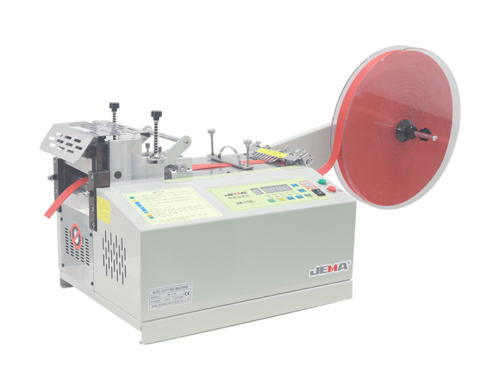
Fully automatic cutting, simple operation, wide application range and high cutting quality. ...
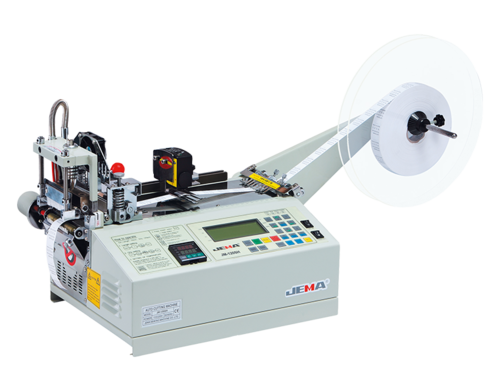
Fully automatic cut off. Simple operation, wide application range and high cutting quality. ...
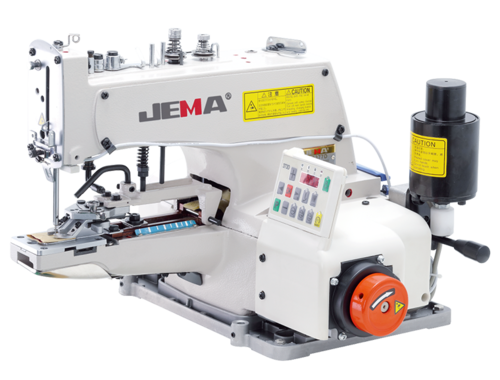
Features Quickly adapt to a variety of sewing requirements. Corresponding to the changes in sewing...
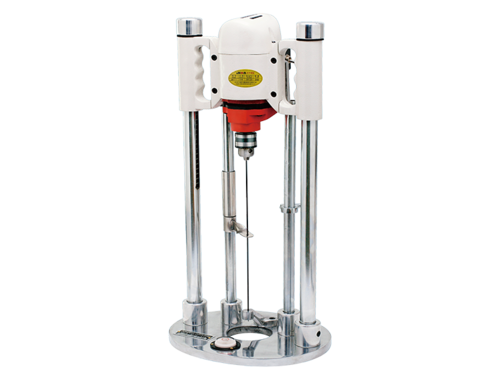
Features This machine is one of the indispensable special equipments in garment production. It...

25 Years specializing in the production of various cutting machines.
©2021 Taizhou JEMA Sewing Machine Co., Ltd. Custom Elastic Tape Cutting Machine Manufacturers


 +86-576-88177528
 +86-576-88172167
 367# Guangxing Road, Xiachen Street, Jiaojiang District, Taizhou City, China.