

 EN
EN  英语
英语 中文简体
中文简体 西班牙语
西班牙语 越南语
越南语 葡萄牙语
葡萄牙语 土耳其语
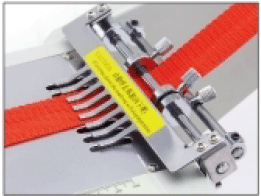
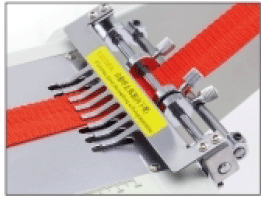
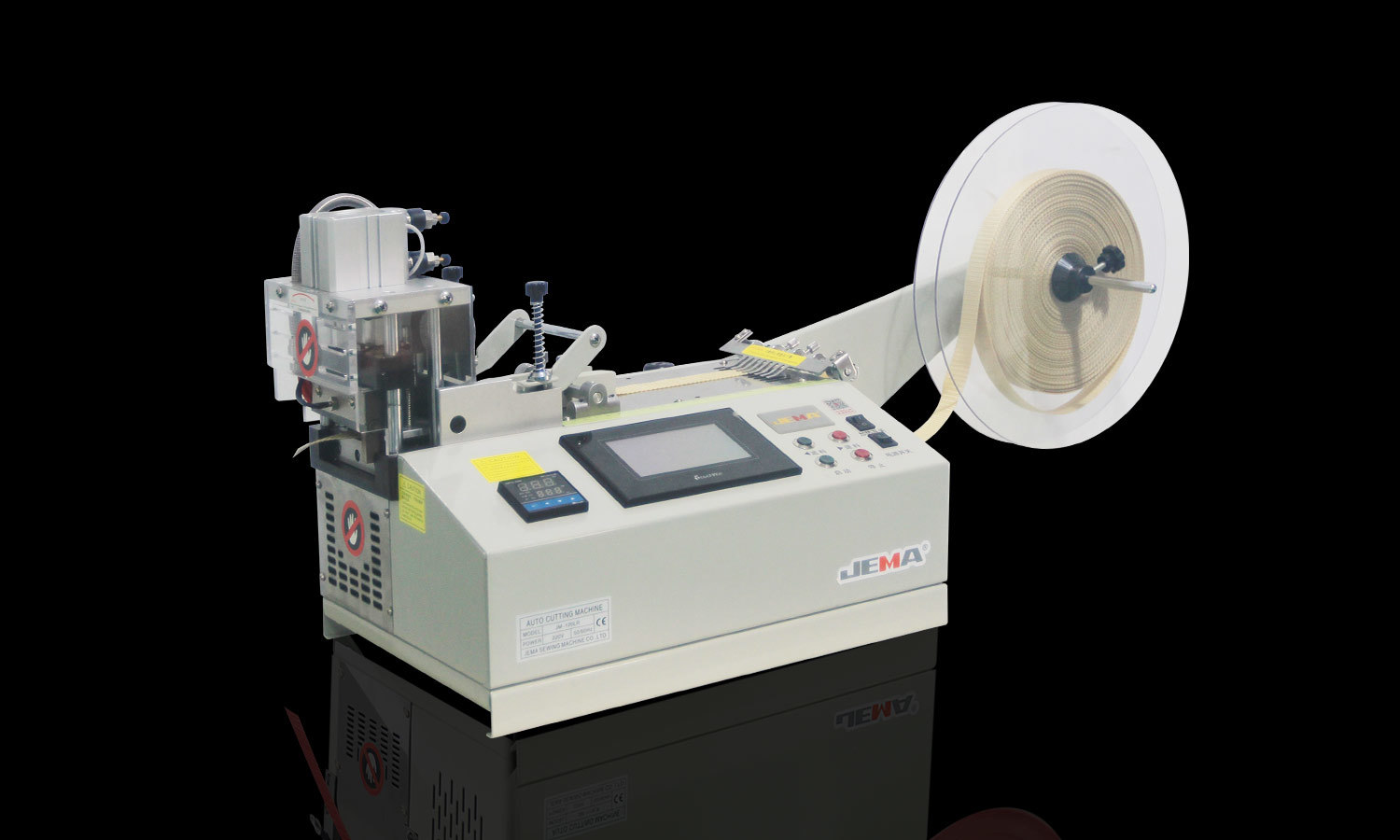
土耳其语Multifunctional computer tape cutting machine (cold, hot) JM-150LR
Fully automatic cutting, simple operation, wide application range, high cutting quality, smooth c...
Garment production tends to involve many repeated operations, and button attachment is one of the processes that tends to require fairly stable positioning and careful handling. Traditional sewing methods often depend on workers arranging buttons before or during attachment, which may create differences in feeding speed and placement accuracy. As clothing production moves toward more automated workflows, equipment that can organize and supply buttons has become a fairly important part of sewing systems.
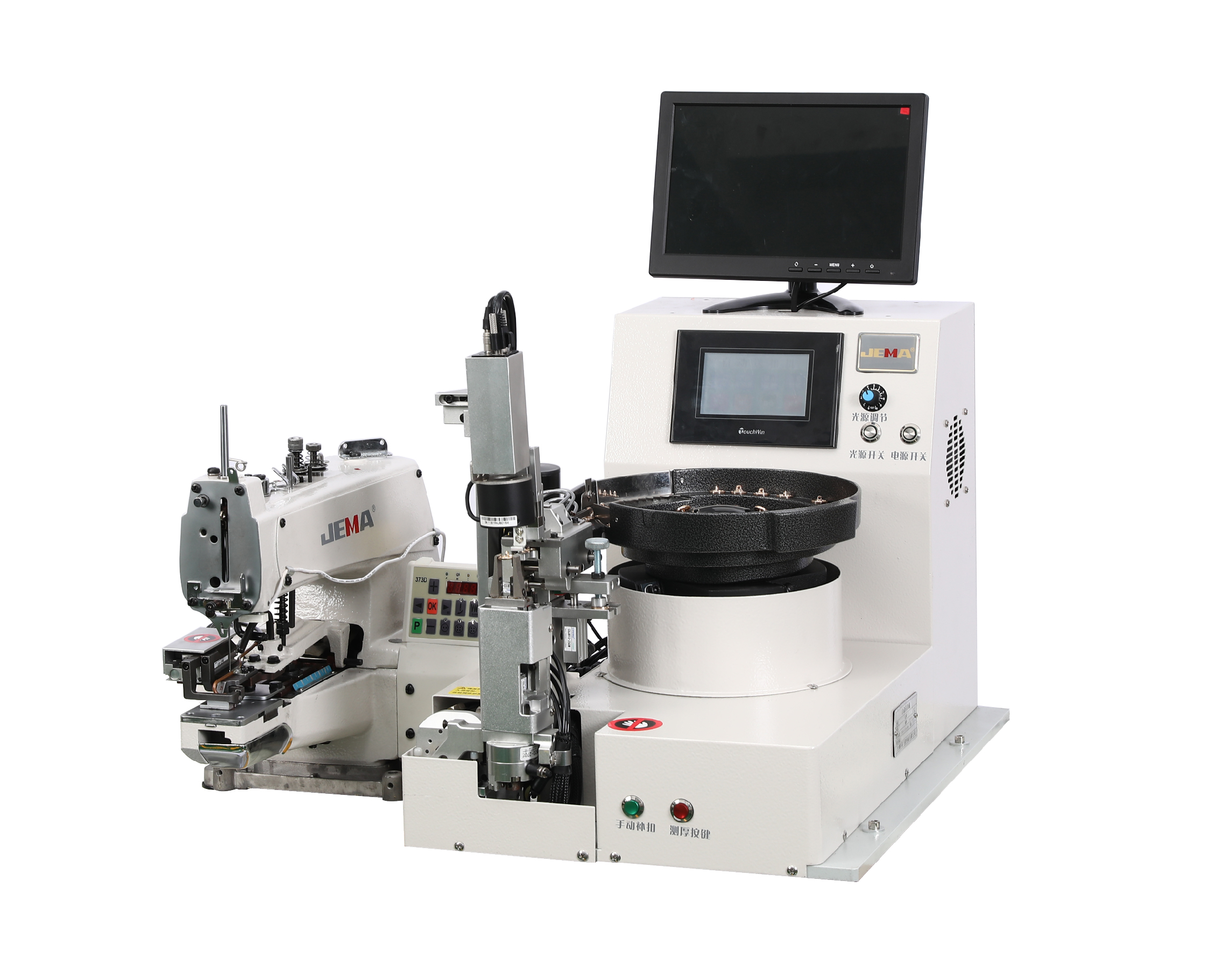
A Button Feeder Machine is generally designed to prepare buttons and deliver them to the sewing area in a fairly orderly way. Instead of relying on manual placement, the machine tends to help create a more continuous supply process between button storage, sorting, and sewing operations. Its main function probably isn't just moving buttons from one location to another—it also tends to help ensure buttons reach the required position with a suitable orientation.
Automated sewing systems usually include several connected steps, and button handling tends to need to match the rhythm of the entire production process. A stable feeding process tends to let sewing equipment operate with fewer interruptions caused by missing or incorrectly positioned buttons. For manufacturers producing garments with different button styles, an organized feeding method also tends to help simplify production management.
A button feeding system generally starts with a storage area where loose buttons get placed. During operation, buttons move through a feeding structure that separates individual pieces and guides them toward the sewing position. This movement tends to need fairly careful control, since buttons can easily overlap, rotate, or become misaligned during transportation.
Different button designs tend to require different handling approaches. Flat buttons, shank buttons, decorative buttons, and buttons with special surfaces may behave somewhat differently during movement. Equipment settings often need adjustment according to button thickness, diameter, weight, and shape.
The working process can roughly be divided into a few basic stages:
A well-organized feeding process tends to reduce the need for frequent manual adjustment and lets operators focus more on equipment monitoring, quality checks, and production coordination.
The main purpose of a Button Feeder Machine tends to be providing a fairly automatic supply of buttons during sewing operations. The equipment tends to connect button preparation with sewing procedures, creating a more organized working process overall.
In garment factories, button attachment often involves fairly repeated actions. Without a suitable feeding system, operators may need to pick up buttons, adjust their direction, and place them into the sewing area repeatedly. Such operations tend to require time and attention, especially when production involves a large number of similar garments.
A feeding machine tends to change the way buttons get handled by creating a more structured supply method. The main functions tend to include:
| Function | Description | Production Benefit |
|---|---|---|
| Button Supply | Moves buttons from storage to sewing position | Keeps material flow organized |
| Button Arrangement | Separates and positions buttons correctly | Reduces placement problems |
| Feeding Coordination | Works with sewing equipment | Supports continuous operation |
| Button Management | Handles different button types through adjustments | Improves production flexibility |
Another fairly important role involves reducing unnecessary manual handling. Operators can spend more time managing the overall sewing process rather than repeatedly preparing individual buttons. For manufacturers handling various garment styles, automated feeding equipment can help support faster changeovers between different button requirements.
The machine also tends to help maintain consistency. Buttons generally need to arrive at the sewing point in a suitable direction and position, since incorrect placement may affect the appearance and function of finished garments. A controlled feeding process tends to provide a more stable connection between button preparation and sewing.
Before buttons enter a feeding system, sorting tends to play a fairly important role in preparing materials. A Button Sorting Machine tends to focus on separating and organizing buttons so they can move through the production process a bit more smoothly.
Buttons are often stored together before use, and mixed conditions may occur when different designs, colors, or sizes get involved. Sorting equipment tends to help arrange buttons according to specific requirements, allowing feeding systems to receive somewhat more consistent materials.
The relationship between sorting and feeding can loosely be compared to preparation and transportation. Sorting tends to create an organized supply, while feeding tends to transfer prepared buttons to the sewing position.
A few key functions of sorting equipment tend to include:
For garment producers using multiple button designs, sorting equipment can help reduce manual preparation work. A well-prepared button supply also tends to let feeding equipment operate with fewer interruptions.
Button selection tends to influence feeding performance fairly noticeably. Different materials and structures tend to create different handling requirements, meaning equipment often needs to match the characteristics of the buttons being processed.
A few common button categories:
Button size and surface design also tend to affect how smoothly products move inside the feeding structure. Buttons with irregular shapes may need additional adjustment compared with more standard designs.
For automated sewing environments, compatibility between buttons and equipment tends to be a fairly worthwhile consideration. Selecting feeding solutions that suit button characteristics tends to help maintain a more stable production process overall.
In an automated garment production environment, button handling probably can't really work as a fully isolated process. A stable connection between feeding equipment and sewing equipment tends to let buttons move through each stage in a more organized way. The feeding unit tends to prepare buttons before they reach the attachment area, while the sewing machine tends to complete the fixing process according to garment requirements.
The connection between both systems tends to depend on fairly accurate timing and suitable positioning. When a button reaches the sewing area, its direction and location generally need to match the sewing process reasonably well. Any unnecessary movement or incorrect placement may interrupt the workflow and require additional adjustment.
A typical connection process tends to include:
The cooperation between feeding and sewing systems tends to reduce repeated manual handling. It also tends to create a somewhat clearer production process, especially when garments require many button attachment operations.
For different garment categories, production requirements tend to vary. Shirts, jackets, uniforms, and fashion garments can use different button sizes and designs, so feeding equipment generally needs to support flexible adjustment. Proper coordination between machines tends to let manufacturers handle changing production tasks a bit more efficiently.
Choosing and operating automated button handling equipment tends to require attention to several practical factors. The purpose is generally to maintain stable operation while matching the needs of different garment production environments.
Button Compatibility
Button characteristics tend to influence feeding performance fairly noticeably. Size, thickness, material, and surface structure all tend to affect how buttons move through the equipment.
For example, lightweight plastic buttons may move somewhat differently compared with heavier metal buttons. Decorative designs with uneven surfaces may require additional adjustment to maintain smoother feeding.
Before production begins, manufacturers usually check whether the selected buttons match the feeding system reasonably well. Proper compatibility tends to help reduce interruptions caused by unsuitable material handling.
Equipment Adjustment
Different sewing tasks may require somewhat different settings. Adjustment areas can include feeding speed, button positioning, and transportation methods.
A flexible adjustment process tends to let equipment work with various garment styles. When production involves frequent changes between button types, simpler adjustment procedures can support smoother operation.
Maintenance Requirements
Regular maintenance tends to play a fairly important role in keeping feeding equipment working properly. Dust, fabric fibers, and small material residues may affect moving parts over time.
A few common maintenance activities:
Proper maintenance tends to help reduce unexpected stops and supports more consistent production conditions.
Production Environment
The working environment also tends to influence equipment performance to some degree. Space arrangement, operator training, and production organization all tend to affect how well automated systems operate.
A suitable production layout tends to let operators monitor feeding conditions and respond to changes during operation. Clear organization between material preparation, feeding, and sewing areas can improve workflow management somewhat.
Automation has changed, at least to a fair degree, how garment manufacturers manage repeated production tasks. Button handling, which previously depended heavily on manual preparation, can now become part of a more connected production process.
Manual button placement tends to require fairly continuous attention from workers, especially during large production runs. Automated feeding equipment tends to provide a more structured method for preparing and transferring buttons, allowing production teams to reduce repetitive tasks somewhat.
The influence of automation tends to show up in a few areas:
| Area | Traditional Method | Automated Method |
|---|---|---|
| Button Preparation | Manual arrangement before sewing | Equipment-assisted organization |
| Material Transfer | Hand placement | Automatic feeding process |
| Production Flow | Depends on operator rhythm | More coordinated machine operation |
| Adjustment Method | Manual handling changes | Equipment setting adjustment |
Automation also tends to support better production planning. When button handling becomes more organized, manufacturers can generally arrange sewing procedures more clearly and reduce unnecessary movement between different work areas.
Another change involves product variety. Clothing manufacturers often produce garments with different button styles, and automated equipment generally needs to adapt to various requirements. Flexible feeding solutions tend to help production systems handle different button designs without overhauling the entire workflow.
The development of automated sewing probably isn't just about replacing manual work. It also seems to focus fairly heavily on improving cooperation between different production stages. Button preparation, feeding, sewing, and quality inspection tend to become more connected parts of garment manufacturing over time.
Button feeding technology continues to develop alongside changing demands from the garment industry. Manufacturers seem to be looking for equipment that can handle different button designs while maintaining fairly stable operation.
One noticeable direction involves improved flexibility. Modern clothing production often includes various materials, styles, and small-batch orders. Feeding systems generally need to support different button types without requiring overly complicated changes.
Another area involves better coordination between machines. As production lines become more connected, feeding equipment may need to communicate a bit more effectively with sewing systems and other production units.
Material diversity also seems to be influencing equipment development. Buttons made from different materials, including plastic, metal, and decorative materials, tend to create different handling requirements. Future equipment design probably needs to account for these differences to provide suitable feeding methods.
Energy use, maintenance convenience, and operation simplicity also tend to matter. Manufacturers generally prefer equipment structures that are easier to manage during daily production activities.
The role of a Button Sorting Machine may also become more closely connected with feeding systems over time. Sorting and feeding tend to be fairly closely related processes, and better cooperation between both stages can help create a smoother material preparation system overall.
A Button Feeder Machine tends to play a fairly important role in automated sewing by organizing button supply and connecting preparation processes with sewing operations. Its main function tends to be arranging and delivering buttons in a controlled way, reducing repeated manual handling and supporting a smoother workflow.
Button sorting, feeding, and sewing tend to work together as connected stages in garment production. A suitable feeding system tends to help manufacturers manage different button types, improve process organization, and adapt to changing clothing designs.
As automation continues to influence garment manufacturing, button handling equipment seems likely to stay a fairly important part of efficient production management. Flexible design, stable operation, and compatibility with different button styles will probably continue shaping how automated sewing solutions develop going forward.
.png?imageView2/2/w/500/h/500/format/jp2/q/100 "Multifunctional computer tape cutting machine (cold, hot) JM-150LR")
Fully automatic cutting, simple operation, wide application range, high cutting quality, smooth c...
.png?imageView2/2/w/500/h/500/format/jp2/q/100 "Multifunctional computerized tape cutting machine (cold knife) JM-150L")
The JM-150L Multifunctional Computerized Tape Cutting Machine (Cold Knife) is built for cutting jobs...
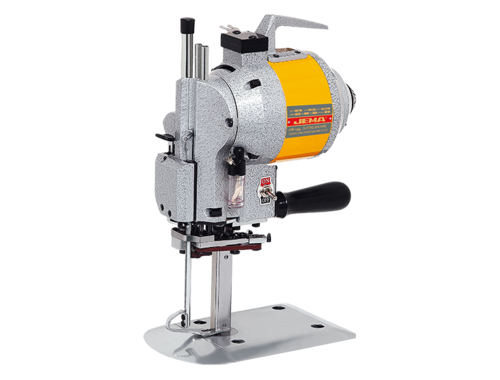
Features The JM-3D/3/103 electric cutting machine is compatible with KMCK8-EU Eastman Ele...
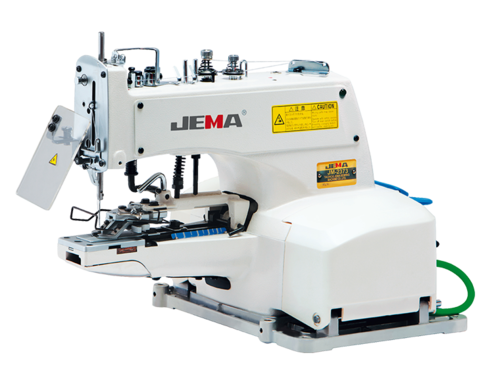
Features It is mainly used for sewing flat buttons with two holes or four holes. If attached, it c...

25 Years specializing in the production of various cutting machines.
©2021 Taizhou JEMA Sewing Machine Co., Ltd. Custom Elastic Tape Cutting Machine Manufacturers


 +86-576-88177528
 +86-576-88172167
 367# Guangxing Road, Xiachen Street, Jiaojiang District, Taizhou City, China.