

 EN
EN  英语
英语 中文简体
中文简体 西班牙语
西班牙语 越南语
越南语 葡萄牙语
葡萄牙语 土耳其语
土耳其语Computer tape cutting machine (cold, hot) JM-110LR
Fully automatic cutting, simple operation, wide application range, high cutting quality, cold and...
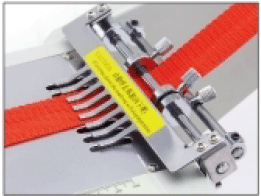
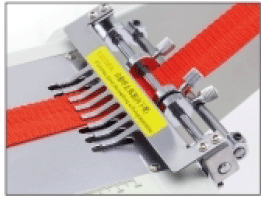
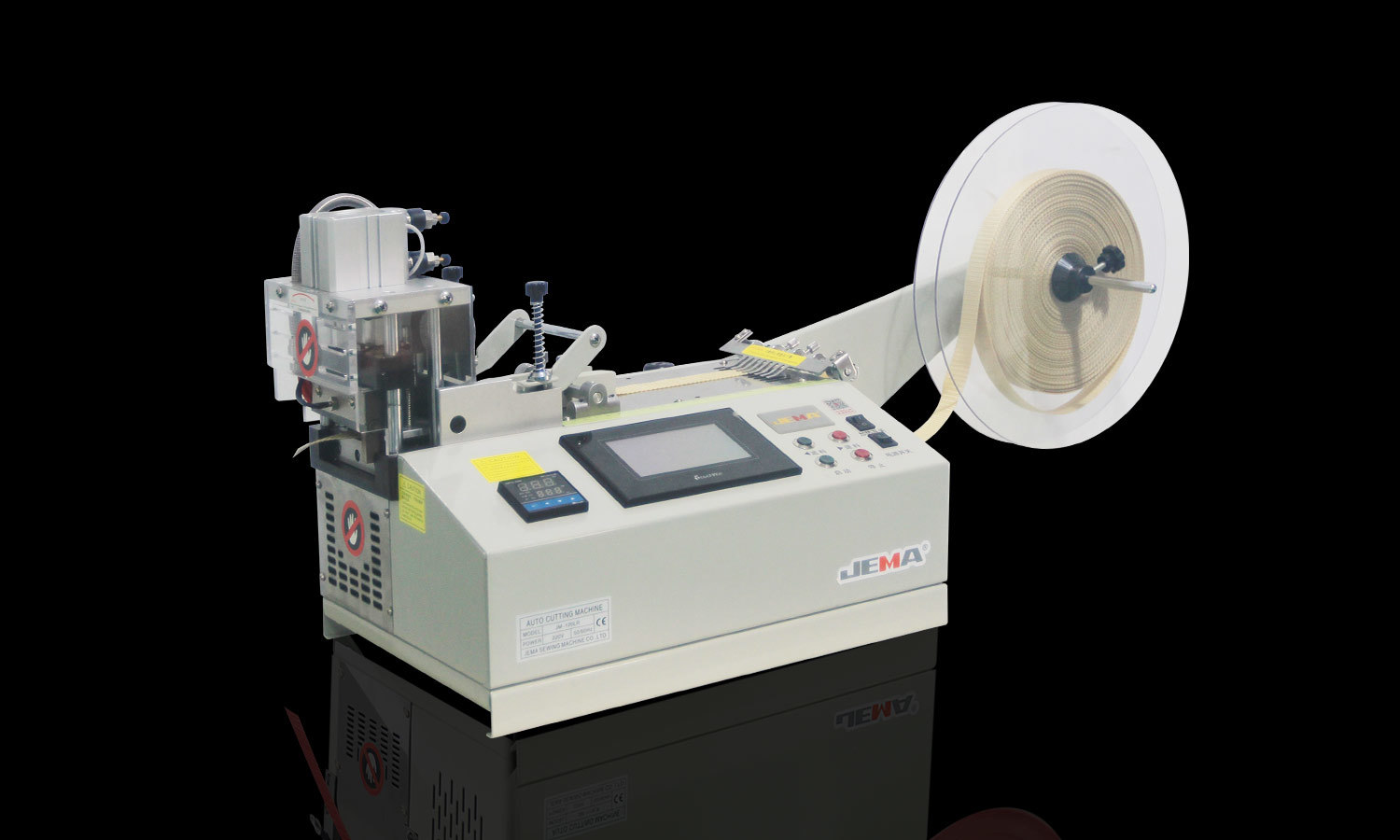
Cutting is a common step in many manufacturing processes. Before a product becomes a finished part, raw materials often need to be separated, shaped, or adjusted according to a specific design.
In some production environments, manual cutting can handle simple tasks. Workers rely on experience to control tools, measure positions, and adjust the process during operation. When product shapes become more complex or the same cutting task needs to be repeated, relying only on manual operation may create more challenges.
A CNC cutting machine changes the way cutting tasks are carried out. Through programmed instructions, the equipment can control movement paths and cutting actions without requiring constant manual adjustment during each step.
A CNC Cutting Machine Factory usually focuses on combining mechanical structure, control systems, and cutting methods into one working process. The purpose is to create equipment that can follow prepared instructions and complete different material processing tasks.
CNC cutting machines are used for various materials, including metal, plastic, wood, and other industrial materials. Different materials require different cutting approaches because hardness, thickness, and structure can affect how the material responds during processing.
Several points are considered when applying CNC cutting technology:
Understanding the basic working process of CNC cutting equipment helps users understand why different machines are designed for different applications.
A CNC cutting machine is a type of processing equipment that uses programmed information to control cutting movement. The machine receives instructions and follows the planned path to complete the cutting operation.
Compared with traditional manual cutting, CNC equipment places more attention on programmed control. Operators prepare the required information before processing, then the machine performs the cutting according to the set instructions.
The basic working process usually includes several steps:
A CNC machine does not create a product design by itself. The cutting path comes from prepared drawings or processing information. Machine structure, material condition, and operation settings all influence the final result.
Different industries may require different types of CNC cutting equipment. A machine used for metal processing may need different cutting conditions compared with equipment used for plastic sheets or wooden boards.
A CNC Cutting Machine Factory needs to consider these application differences during equipment development. Machine structure, cutting methods, and control systems need to match the materials and tasks involved.
A CNC cutting machine works through the cooperation of several stages. Each stage connects with the next one, creating a complete processing process.
Before the machine starts working, a cutting design needs to be prepared. The design contains information about the shape, size, and movement path required during processing.
Clear design information helps the machine understand where cutting should take place. A detailed preparation stage can reduce unnecessary adjustments during operation.
After the design information is prepared, instructions are transferred to the machine control system.
The control system reads the information and converts it into movement commands. These commands guide different parts of the machine during cutting.
The connection between design information and machine action is an important part of CNC operation. Without accurate instructions, the machine cannot complete the planned cutting path.
Before cutting begins, materials need to be placed correctly on the working platform.
Stable positioning helps prevent unwanted movement during processing. Different materials may require different support methods because thin materials and heavier materials react differently during cutting.
During cutting, the machine follows the prepared path and moves the cutting unit through the required area.
The movement system controls direction and position, while the cutting unit separates the material according to the design.
After processing, the finished part is usually checked to confirm whether the shape meets the required conditions.
| Processing Stage | Main Function |
|---|---|
| Design Preparation | Creates the required cutting information |
| Program Transfer | Sends instructions to the machine |
| Material Positioning | Keeps material stable during processing |
| Cutting Operation | Creates the designed shape |
A CNC cutting process depends on several parts working together. Design information, machine movement, material condition, and cutting methods all affect the final processing result.
A CNC cutting machine contains different sections, and each section has a specific role during operation.
Control System
The control system works as the connection between prepared instructions and machine movement. It receives information, processes commands, and controls how the equipment operates.
The system needs to communicate correctly with mechanical parts so that the cutting process follows the planned route.
Cutting Unit
The cutting unit is responsible for separating materials during processing. Different materials may require different cutting methods because each material has its own characteristics.
The condition of the cutting unit can influence the processing surface and the final shape of the material.
Movement System
The movement system controls the position and direction of the cutting unit. Smooth movement allows the machine to follow the planned path during operation.
Regular maintenance of movement parts is important because long-term use can affect working conditions.
Working Platform
The working platform supports the material during cutting. A stable support area helps reduce movement and keeps materials in the correct position.
Platform design may vary depending on the material type and processing requirements.
A CNC cutting machine is made up of multiple systems rather than a single working part. Control, cutting, movement, and support sections need to cooperate to complete the entire process.
CNC cutting equipment shows up across a wide range of production areas, mostly because manufacturers need to shape all sorts of materials before parts move on to assembly or further processing. The material itself tends to dictate a lot — cutting method, machine settings, even how the final result turns out often trace back to what's actually being cut.
Metal is probably the material people picture when they think of industrial cutting. Before metal parts move into later production steps, they usually need separating or shaping according to a specific design, and since metal tends to push back harder against the tool, the equipment needs steady, controlled movement to keep up with that resistance.
Plastic gets processed just as widely, though it behaves quite differently under the same kind of pressure. Sheets and panels show up in all sorts of products, but heat, cutting pressure, and how flexible the material is can all shift the outcome in ways metal wouldn't, so settings tend to need tuning specifically for plastic rather than borrowed from metal cutting.
Wood panels make up another common application — furniture parts, decorative pieces, custom structures, that sort of thing, all needing fairly accurate shapes before they get assembled into something bigger. CNC cutting handles turning prepared patterns into actual components here without much fuss.
Composite materials tend to need a bit more care, mainly because they're built from layers of different materials stacked together. Each layer can respond differently once the cutting tool reaches it, which means the processing approach has to account for that layered structure rather than treating it like a single uniform material.
| Material Type | Common Application |
|---|---|
| Metal | Parts and structural components |
| Plastic | Industrial and product components |
| Wood | Panels and furniture parts |
| Composite Materials | Multi-layer material processing |
Material choice ends up shaping equipment design quite directly. Cutting tools, movement systems, support methods, operating conditions — all of it needs to line up with whatever material is going through the machine. A CNC Cutting Machine Factory usually keeps these differences in mind from the start of development, since a machine built around one material type often needs some rework once production requirements shift toward something else.
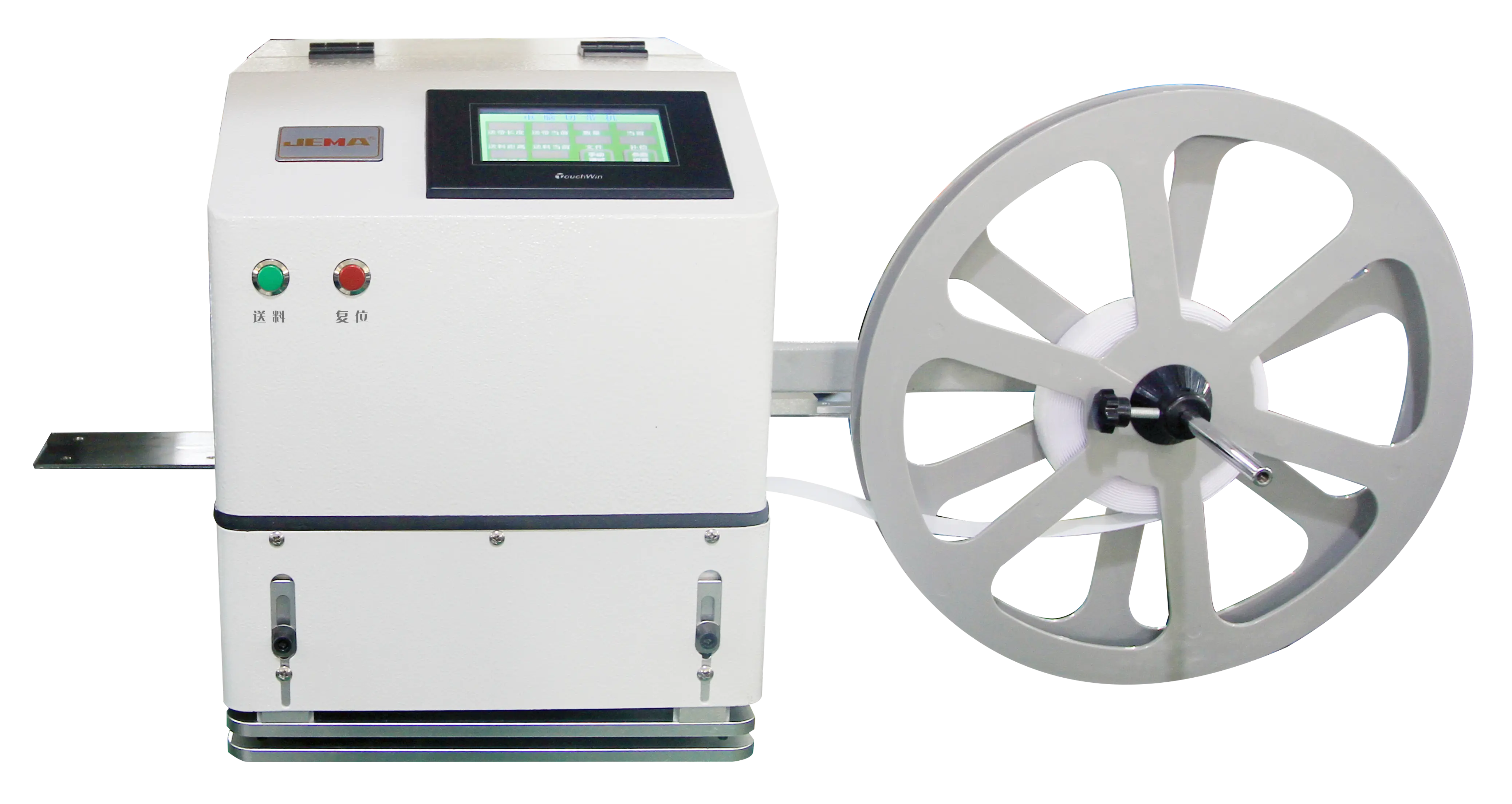
Building cutting equipment involves a fair bit more than bolting components together and calling it done. Every part needs to cooperate with the rest of the system for the machine to actually complete its processing tasks the way it's supposed to.
Work at a CNC Cutting Machine Factory usually starts with getting a clear picture of what the equipment needs to do — material type, product shape, working conditions, all of that feeds into how the machine gets planned out from the ground up.
The basic structure carries the different working parts, and a stable frame helps keep movement components positioned correctly while the machine runs. How the equipment will actually be used tends to shape these structural decisions, since different working environments call for different levels of support and stability.
A CNC cutting machine is built from a fair number of components, and each one has some bearing on how the whole thing performs. Control systems handle instructions, movement parts manage direction, and cutting sections carry out the actual material processing — picking components that suit each other helps these sections work together rather than fighting against one another.
Assembly is where individual parts come together into a finished machine. Technicians spend time during this stage adjusting different sections so mechanical movement and control instructions end up cooperating the way they need to.
Testing comes after assembly, giving manufacturers a chance to check how the equipment actually operates before it goes into regular production use. Problems tied to movement, cutting performance, or system connections tend to surface here, where they're easier to catch and fix.
A CNC cutting machine, in the end, runs on cooperation between a lot of moving parts. Careful preparation during production tends to pay off later, helping the equipment hold up and run steadily once it's actually delivered and put to work.
Cutting results come down to several conditions working together rather than any single part of the machine carrying all the weight. Equipment structure, material characteristics, operating methods, and maintenance all tie into processing quality in one way or another.
A stable structure helps keep movement consistent throughout operation, and when the machine moves smoothly, the cutting unit tends to follow its planned path more accurately as a result. Mechanical wear that builds up over long-term use can start affecting that movement, though, which is part of why regular inspection stays worth keeping up with.
The cutting tool makes direct contact with the material during processing, so continuous use tends to change the condition of its surface over time, and that shift can affect cutting performance more than people sometimes expect. Checking tool condition regularly, and swapping out or adjusting parts when needed, helps keep operation running the way it should.
Materials react differently once the cutting process actually starts. Harder materials often call for different cutting conditions than softer ones. Flexible materials tend to need stronger support to hold their shape during the cut. Layered materials often require a more specialized processing approach altogether. Understanding how a given material tends to behave helps operators pick a working method that actually fits it.
Machine settings shape how the cutting process unfolds too — movement speed, cutting path, processing instructions all need to line up with what the material and the product actually require.
Regular maintenance rounds things out, keeping equipment working the way it's meant to over time. Cleaning, checking moving parts, adjusting worn components — these routine activities tend to matter more than they get credit for.
CNC cutting performance, in the end, comes out of equipment, materials, and operation methods all working together. Each piece leaves its mark on the final result somewhere along the line.
Different industries lean on CNC cutting equipment largely because so many products need shaped materials before moving into the next stage of production.
In manufacturing, plenty of products contain parts that need specific shapes cut before assembly or additional processing can happen. Cutting equipment handles that preparation step ahead of time.
In furniture production, wood panels and decorative materials often need customized shapes, and CNC cutting turns those design ideas into actual components through programmed, controlled movement.
Construction-related fields bring their own set of shape requirements depending on the project at hand, and cutting equipment supports preparing various material forms before anything gets installed on site.
Custom production covers products built from special designs rather than standard, off-the-shelf forms — CNC cutting gives a practical way to process materials based on individual drawings rather than a fixed template.
The applications vary quite a bit across these industries, but the basic idea underneath stays fairly consistent throughout: the machine follows prepared instructions and creates the required shape through controlled, programmed movement.
Picking out the right cutting equipment really comes down to understanding actual production needs, since different businesses process different materials, build different products, and operate under fairly different conditions from one another.
Material type matters early on — knowing whether the equipment will mainly handle metal, plastic, wood, or something else shapes which cutting method actually makes sense.
Processing requirements matter too. Product size, shape complexity, and how often production runs all tend to influence which equipment fits best. A machine handling occasional custom jobs faces different demands than one running regular, high-volume production.
Working environment deserves some thought as well — available space, operating conditions, and how the production floor is laid out all need to work with whatever equipment gets brought in, not against it.
Maintenance requirements round out the picture. Getting a sense of what ongoing maintenance will look like before purchase tends to make future management a lot easier to plan around.
Talking things through with a CNC Cutting Machine Factory gives both sides a chance to lay out material requirements, product applications, and equipment conditions more clearly before anything gets finalized. CNC cutting technology, at its core, blends digital instructions with mechanical processing — and understanding how the equipment works, along with what actually shapes its performance, tends to help businesses land on decisions that fit their production needs a bit better.
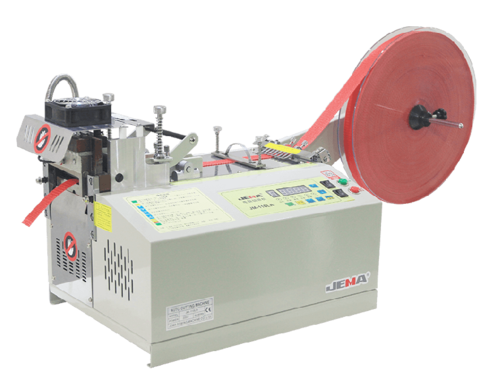
Fully automatic cutting, simple operation, wide application range, high cutting quality, cold and...
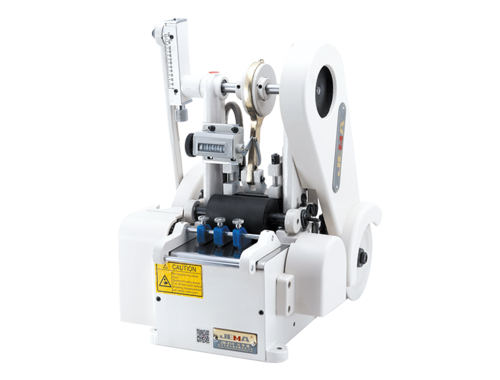
Features It is suitable for shoes, hats, bags, and supporting equipment in clothing produ...
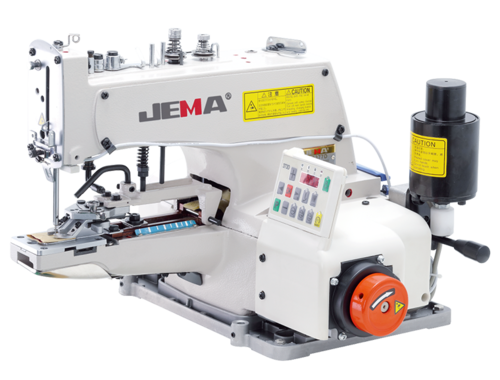
Features Quickly adapt to a variety of sewing requirements. Corresponding to the changes in sewing...
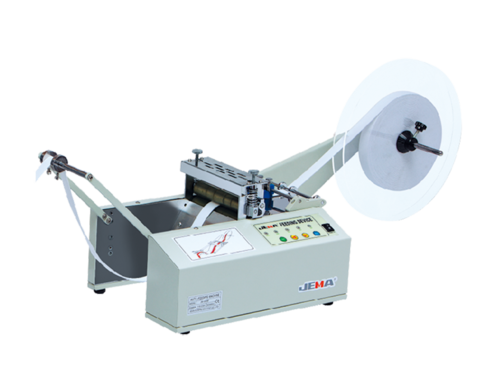
Features The fully automatic computerized belt feeder is a new type of multifunctional belt fe...

25 Years specializing in the production of various cutting machines.
©2021 Taizhou JEMA Sewing Machine Co., Ltd. Custom Elastic Tape Cutting Machine Manufacturers


 +86-576-88177528
 +86-576-88172167
 367# Guangxing Road, Xiachen Street, Jiaojiang District, Taizhou City, China.