

 EN
 英语
 中文简体
 西班牙语
 越南语
 葡萄牙语
 土耳其语
Computer tape cutting machine (cold, hot) JM-120LR
Fully automatic cutting, simple operation, wide application range, high cutting quality, cold ...
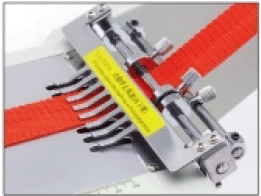
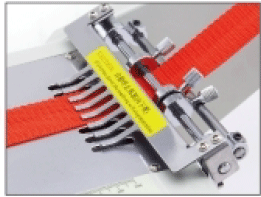
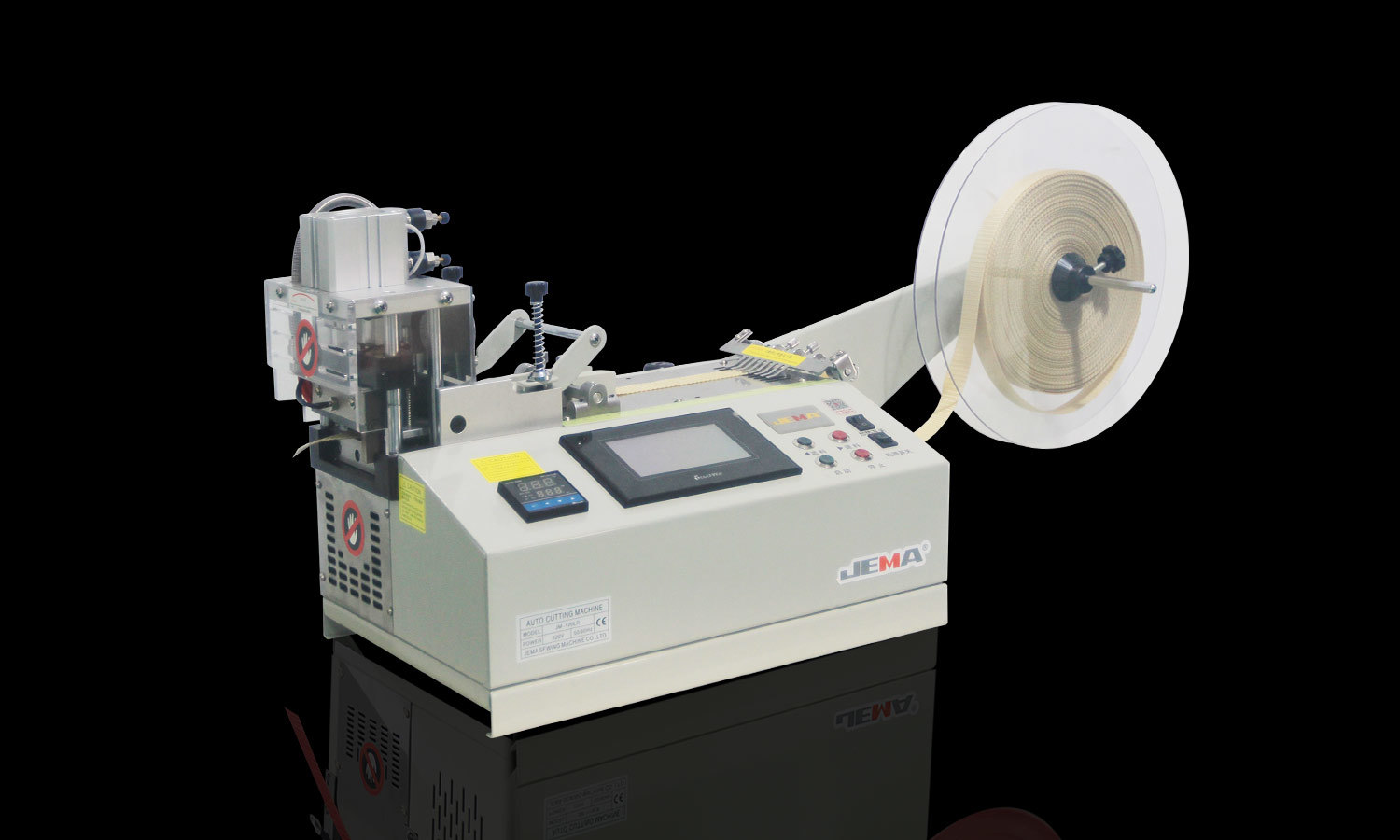
Tape roll slitting looks simple. A wide roll goes into the machine, the material is cut to narrower widths, and the finished rolls are readied for the next step or for shipment. But the blade is only part of the story. How the tape travels through the machine matters just as much.
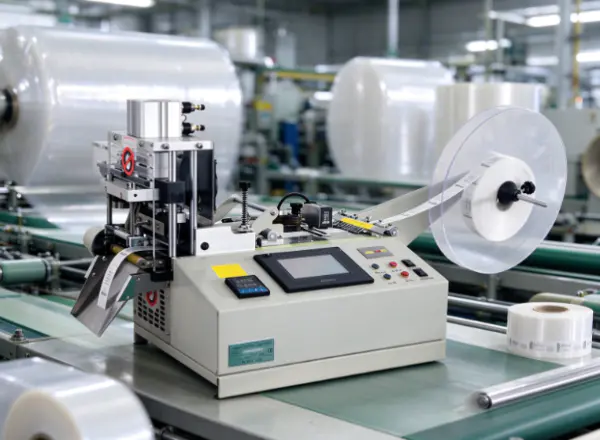
Tension control is central here. It keeps the tape moving steadily while it is unwound, slit and rewound into smaller rolls. Handle tension badly and the tape can stretch, wrinkle, drift or wind unevenly. Those faults hurt the look of the finished rolls, and they often hurt performance in later use too.
Tapes don't all react to pulling force in the same way. A thin film behaves differently from a thick adhesive product. Paper-based tapes, foam tapes and other flexible materials each have their own handling needs. For a manufacturer, learning tension control is part of building a slitting process that suits the material in front of it.
Tension control means managing the pulling force on the tape as it runs through a slitting machine. The tape needs enough tension to move smoothly and stay in position. The force can't be so strong that it stretches, deforms or damages the material.
The tape usually passes through several stages. It starts on a large supply roll, runs through the cutting area, then winds onto smaller cores. Each stage affects how the material behaves.
Let the supply roll unwind too freely and the tape goes slack and wanders. Pull too hard at the rewinder and the material stretches or packs too tightly. Either way, defects appear that are hard to fix once the rolls are finished.
Tension control balances these forces from start to finish. Depending on the machine, that might mean mechanical adjustments, sensors, brakes or automatic controls. The setup differs, but the purpose stays the same: keep the tape stable without stressing it.
Tension isn't about making the tape as tight as possible. Different materials need different conditions. A setting that suits one tape may be wrong for another, even on the same machine.
So before a job starts, operators should weigh the tape's construction, thickness, flexibility, adhesive properties and intended use.
Slit roll quality depends on blade condition, material properties, machine alignment and winding behavior. Tension ties many of these together, because it shapes how the tape behaves before, during and after the cut.
When the material runs steadily through the cutting area, the cutting path stays consistent. When the tape shifts or goes loose, the cut turns uneven. The rolls may then have ragged edges or the wrong shape.
Tension also affects the tape itself. Too much pull stretches flexible materials, and unstable tension lets wrinkles or folds form. Such defects show up more clearly at inspection or when the tape is applied to a surface.
Thin, soft or easily deformed materials are the sensitive. A small change in how they travel can move them at the cutting point.
Picture a tape entering the cutting section on a loose or uneven path. The blades may be in good shape, yet the material won't lie flat. The cut wanders, and the finished rolls need extra inspection or rework.
A stable path doesn't guarantee defect-free output. It does give the cutting system a dependable starting point, and operators can then look at other causes when problems turn up.
Wrong tension causes different problems depending on the material and the production stage. Knowing the signs lets operators look for the real cause instead of blaming the blades every time.
Too much tension puts needless stress on the tape. Flexible films stretch, and some materials distort as they pass through. The adhesive layer or backing can also react differently under heavy pull.
High tension during rewinding gives rolls that are packed too tightly for their use. Sometimes the roll deforms or becomes hard to unwind. Sensitive materials may show edge damage or a change in shape after winding.
Too little tension lets the tape wander, fold or form loose sections. It won't stay flat in the cutting area, so clean, consistent edges are harder to get.
Low winding tension gives loose rolls. Layers shift during handling, storage or transport. Once a customer starts using the tape, uneven winding makes it harder to dispense smoothly.
Fluctuating tension produces inconsistent results even if the starting setup looked fine. A roll may begin well and develop defects as the supply roll shrinks or winding conditions change.
| Tension condition | Possible effect | What operators may need to inspect |
|---|---|---|
| Excessive pulling force | Stretching, distortion, or tightly wound rolls | Material response and winding settings |
| Insufficient pulling force | Wrinkles, loose rolls, or material movement | Web path and tension stability |
| Unstable tension | Variation between sections of a roll | Supply, cutting, and rewinding behavior |
One symptom can have several causes. A wrinkled roll might come from tension changes, poor alignment, damaged rollers or rough handling. Look at the whole process rather than assuming a single culprit.
Tapes vary a great deal in structure and behavior. Some have a thin film backing. Others use paper, fabric, foam or something else. Adhesive layers and end uses differ as well.
Those differences change how a tape handles pulling force. Flexible film stretches under heavy tension. Paper-based tape creases or tears if it is treated roughly. Foam tape compresses or changes shape under pressure. Soft-surfaced materials can also be touchy about contact with rollers and other machine parts.
The same setting can give different results on different products. Don't assume a setup that worked for one tape will carry straight over to another.
Supply roll width and condition matter too. A large roll behaves differently from a small one as it unwinds. Thickness, backing strength, adhesive traits and storage conditions all play a part.
A practical method is to set suitable conditions for each material family and confirm them in trial runs. Operators check the cut edges, surface, roll shape and ease of unwinding before they approve the setup for regular production.
Take changes in incoming material seriously. When a new batch behaves differently, check its condition and review the existing setup. Adjusting tension without knowing the cause can introduce fresh problems.
Material-specific handling isn't needless complexity. It is how the slitting process adapts to the products being made.
Slitting doesn't end when the blades split the tape into narrower strips. The material still has to be wound into rolls that are stable, easy to handle and right for the customer's application.
Rewinding tension decides how each layer sits on the one beneath. Uneven force can leave a loose center, ragged edges or different tightness across the width. The finished product then looks inconsistent and may unwind badly.
A tight roll isn't automatically a good roll. The right winding condition depends on the material, the roll structure and how the product will be used. Too much pressure deforms sensitive materials, and too little leaves the roll unstable.
The core matters as well. A poor, damaged or misplaced core stops the roll from staying centered during winding. Tension control can't fully make up for that, so check the winding system and the core together.
Edge alignment is another point. If the tape enters the winding area unevenly, the roll can end up with protruding edges or a stepped look. Stable tension keeps the material under control, but proper alignment and guiding are still needed.
For manufacturers who supply tape to automated packaging lines or other equipment, roll consistency counts even more. Customers expect rolls that unwind without sudden resistance, shifting or stoppages. Uneven winding causes handling trouble even when the tape is cut to the right width.
So inspect more than the outside of the finished roll. Check how firm it is, how the edges line up and whether the tape unwinds as expected.
Waste is a real worry in tape converting, because a defect often spoils the material around it, not just the spot where it starts. When tension turns unstable, operators may have to stop the machine, inspect the roll, adjust the setup and cut out damaged sections.
Those stops cost time and shrink the usable output of a run. If a defect is found late, more material has already been processed under bad conditions.
Stable tension lowers some of these risks by keeping the material path under control. It makes problems easier to spot and helps operators hold conditions steady. But tension control alone won't prevent all waste. Blade wear, poor material, misalignment and handling mistakes all add to it.
Cutting waste starts with watching the process. If defects keep showing up early in a run, review the initial setup. If they develop as the supply roll unwinds, check whether tension shifts at that stage. If finished rolls wind unevenly, look harder at the rewinding section.
Keeping a record of recurring issues helps separate one-off defects from patterns that need a fix. The point isn't to keep tweaking the machine for no clear reason. It's to find where the process turns unstable and deal with that cause.
Avoiding waste also cuts rework and repeat inspection. These gains rely on steady operating habits and a clear understanding of how the material reacts to the machine.
Tension adjustment works better with a structured routine. Big changes made without inspection create new defects and hide the original one.
Start by checking the tape and the machine. Damaged material, dirty rollers, worn parts or a badly seated roll can cause problems that look like tension faults.
Review the material path too. The tape should run through the machine without needless friction or sideways drift. If it enters the cutting area at an angle, changing tension won't fix the underlying issue.
Trial runs are a good way to test a setup before full production. During them, operators inspect cut edges, look for wrinkles or stretching and check that finished rolls stay stable. Results are compared with the agreed quality requirements.
Several checks support this process:
Follow the machine maker's instructions when adjusting. The correct method depends on the equipment and its control system. Odd noises, repeated breaks or unexpected movement need investigating before production carries on.
Training counts as well. Experienced operators often sense unstable tension early, but that knowledge should reach the whole team. Clear work instructions cut differences between shifts and make quality checks more consistent.
Buyers choosing a tape roll slitter usually look at cutting capability, material compatibility and production needs. Tension control deserves the same attention, since it shapes how the machine handles different products from unwinding to rewinding.
The right system depends on the tapes a manufacturer expects to run. A plant working mostly with one material has different needs from a converter handling film, paper, foam and other adhesive products. Tell suppliers the intended materials and finished roll requirements before comparing machines.
Ask how tension is managed during unwinding, cutting and rewinding. Ask whether adjustments are manual or automatic, how the machine copes with changing roll conditions and what support exists when the process gets unstable.
A demonstration or sample trial shows things a product description won't. Supply representative materials and review the finished rolls for edge quality, winding consistency and ease of use. The test should mirror real production as closely as practical.
Bring up maintenance and operator training as well. A tension control system needs proper setup and care to work as intended. Buyers should know how to inspect the relevant parts, spot common problems and get help when adjustments don't solve them.
Judge the purchase on the whole working process, not one feature. A slitter has to suit the material, deliver the roll quality you want and fit your operating practices. Tension control is one piece of that evaluation, yet it has a direct hand in keeping the tape stable on its way from a wide supply roll to finished narrow rolls.
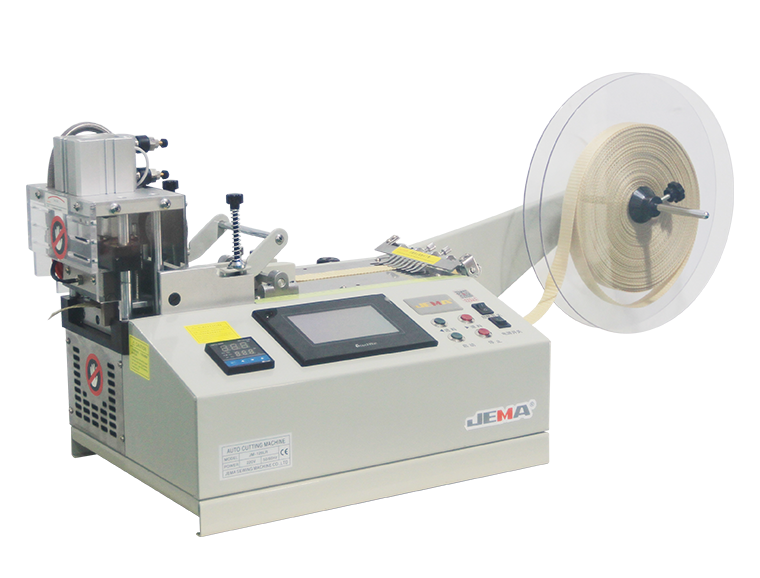
Fully automatic cutting, simple operation, wide application range, high cutting quality, cold ...

Fully automatic cutting, simple operation, wide application range, high cutting quality, cold and...
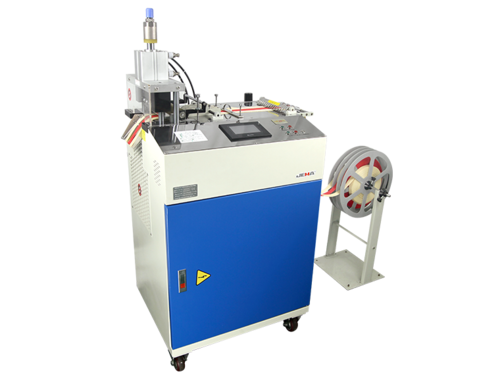
Fully automatic cutting, easy operation. Wide application range, high cutting quality, smooth cut...
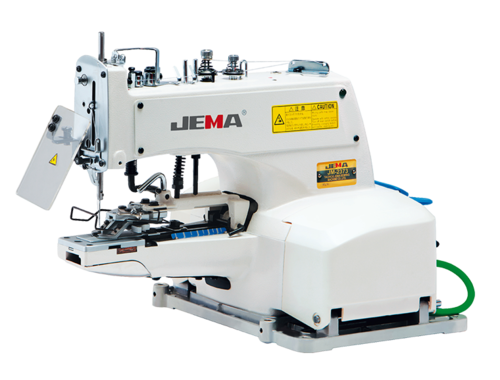
Features It is mainly used for sewing flat buttons with two holes or four holes. If attached, it c...

25 Years specializing in the production of various cutting machines.
©2021 Taizhou JEMA Sewing Machine Co., Ltd. Custom Elastic Tape Cutting Machine Manufacturers


 +86-576-88177528
 +86-576-88172167

 367# Guangxing Road, Xiachen Street, Jiaojiang District, Taizhou City, China.