

 EN
 英语
 中文简体
 西班牙语
 越南语
 葡萄牙语
 土耳其语
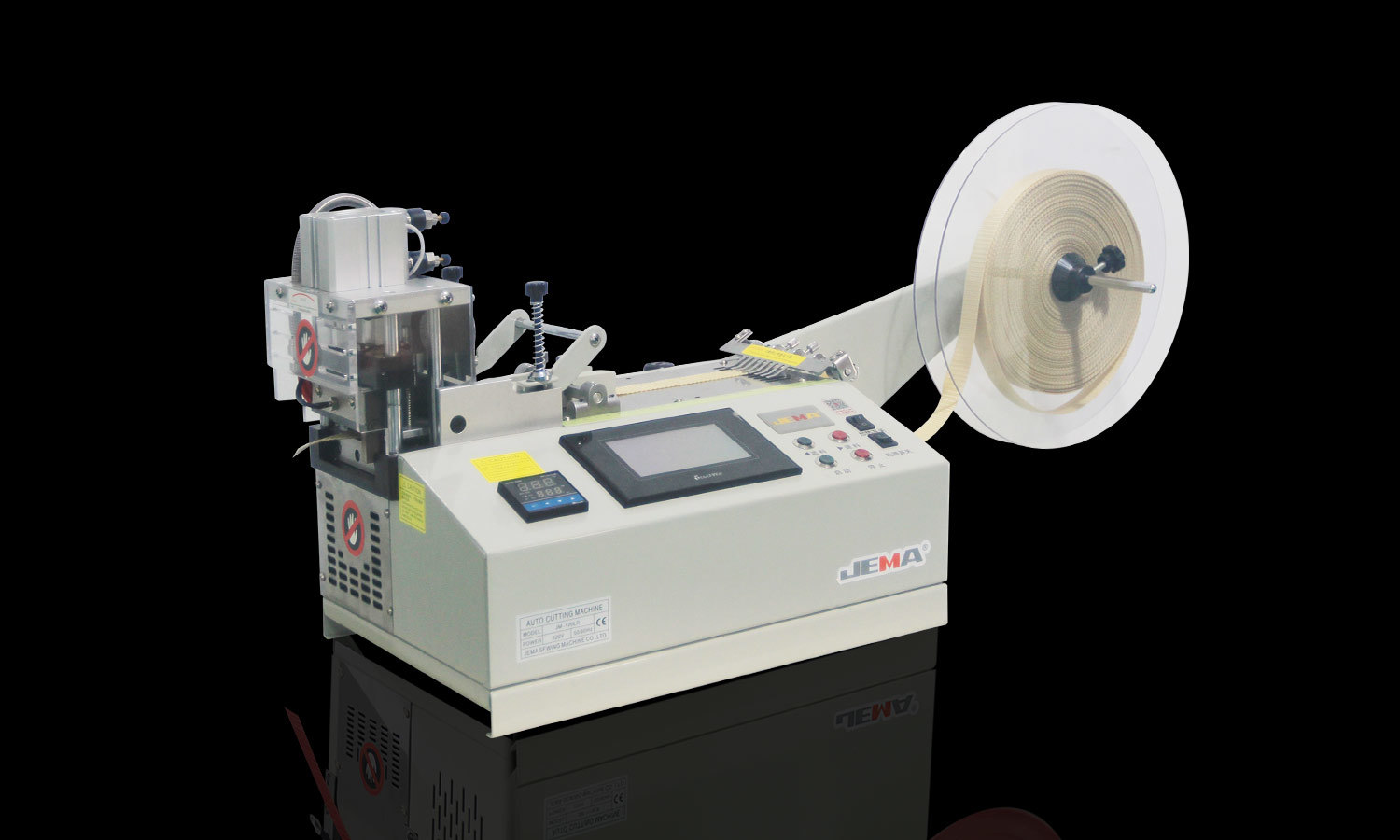
Computerized tape cutting machine (bevel/right angle) JM-120HX
The JM-120HX Computerized Tape Cutting Machine (Bevel / Right Angle) is a good fit when straight cu...
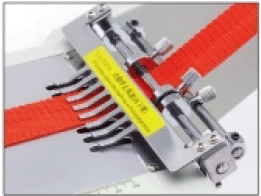
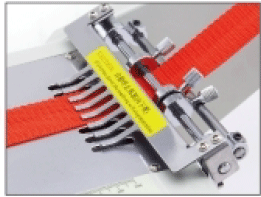
Tape shows up everywhere — electrical assembly, packaging, automotive manufacturing, textile production, you name it. It looks like the simplest material imaginable, but different tape types actually behave in wildly different ways once a blade comes into contact with them. Some run thin and flexible; others turn out thick, stretchy, sticky, or reinforced with fibers that fight back against separation. These differences shape how the tape moves through a machine and how cleanly it actually cuts.
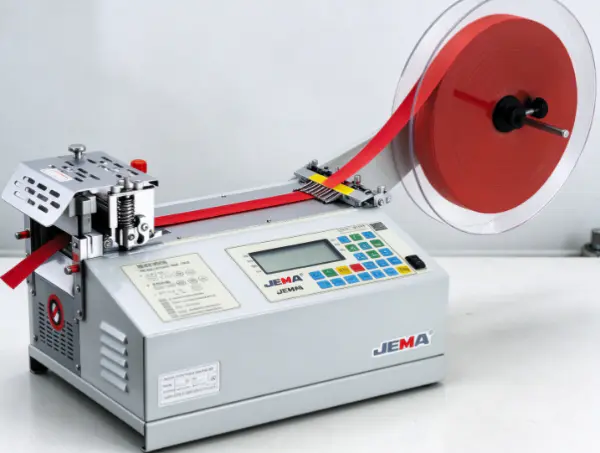
An electric tape cutting machine exists to bring real consistency to this process. It feeds tape, positions it, cuts it according to whatever the operator's dialed in. But the machine still has to actually suit the material running through it — a cutting method that handles paper tape beautifully might fall apart with elastic fabric tape or strong adhesive tape in the mix.
Getting a handle on how these machines deal with different materials helps manufacturers pick suitable equipment, cut down on cutting problems, and keep a steady workflow running. The material itself, the adhesive, the backing structure, the intended use — all of it shapes the cutting process in ways worth understanding upfront.
Tape's cutting behavior comes down to more than just thickness. Backing material, flexibility, adhesive properties, surface structure — all of this shapes the final result in ways that aren't always obvious at a glance.
Paper tape's generally easy to work with since its backing stays fairly stable. It usually guides into position without much stretching involved. That said, thin paper can wrinkle or tear if it's pulled unevenly or hit with too much tension along the way.
Plastic film tapes behave quite differently. Their backings bend easily and stretch under pressure. If the material shifts mid-feed, the cut turns uneven fast. Smooth surfaces also make alignment harder to hold, especially when the roll isn't sitting right in the first place.
Fabric tape brings its own headache. The woven or nonwoven structure can leave loose fibers trailing along the cut edge. Some fabric tapes stretch when pulled too, which messes with the final length. A proper cutting setup needs to control both the tape's movement and the condition of its edge simultaneously.
Adhesive piles on another layer of complexity. Tape can stick to the blade, guide surfaces, nearby material — and adhesive buildup gradually degrades cutting quality while making feeding less reliable over time. That matters especially with soft or tacky adhesive layers.
Reinforced tape can be genuinely harder to separate since it carries fibers or other strengthening material baked in. These additions boost tear resistance, sure, but they also demand a lot more from the cutting edge doing the work.
An electric tape cutting machine has to account for all of this. Material compatibility isn't just about motor power — feeding stability, blade design, cutting action, routine cleaning all play into the final result together.
Paper tape and masking tape show up constantly in packaging, painting, labeling, general assembly work. Their relatively stable backings suit most electric cutting machines well, though the paper structure and adhesive layer still need careful handling.
During operation, tape gets guided from the roll toward the cutting area. The machine holds or advances the material, then the blade separates the required length. Depending on the equipment, the operator either picks a preset length or controls the cut manually.
Paper tape really needs stable feeding more than aggressive pulling force. Too much tension damages the backing, particularly with narrow tape or weaker paper stock. If the feed path has sharp bends or rough contact surfaces anywhere, the tape can crease or tear before it even reaches the blade.
Masking tape adds one more wrinkle — its adhesive has to stay manageable the whole way through. If adhesive transfers onto the blade or guides, the tape starts dragging instead of moving smoothly. Cuts turn inconsistent fast, and the operator ends up stopping the machine for cleaning more often than anyone wants.
Blade condition matters a lot here too. A worn edge crushes or tears paper rather than separating it cleanly, leaving rough edges and loose fibers behind. Keeping the cutting area clean and matching the blade to the tape helps keep results consistent run after run.
Manufacturers running several paper tape types should also think through roll width, backing strength, adhesive behavior together. A machine handling one paper tape just fine might need real adjustment once the material turns thinner, more delicate, or stickier.
Plastic film and vinyl tapes turn up constantly in electrical work, product assembly, surface protection, general manufacturing. Their flexible, smooth backings set them apart quite a bit from paper-based materials.
Controlling movement is the main challenge here. Thin plastic film stretches or wrinkles when pulled too firmly. If the tape shifts sideways mid-feed, the blade misses the intended cutting position entirely. A stable roll holder and well-aligned feed path go a long way toward heading this off.
The cutting action has to match the film's actual behavior too. Some materials separate cleanly under a suitable blade; others deform before the cut even finishes. A dull blade or one poorly matched to the backing lets the film stretch, fold, or develop an edge that's just irregular.
Vinyl tape often pairs a flexible backing with an adhesive layer. That flexibility helps it wrap surfaces nicely during use, but it can also make the cut piece curl up or stick to nearby parts unexpectedly. The machine needs to release the finished piece cleanly, without yanking it out of position or letting it stick to the blade area.
Adhesive residue gets especially troublesome with repeated cutting over time. As it builds up, it interferes with blade movement and causes tape to drag or collect right around the cutting point. Regular inspection and cleaning keep minor buildup from snowballing into a real production issue.
Operators shouldn't assume every plastic tape processes the same way, worth repeating. Different films respond differently to tension, pressure, blade contact. Testing the actual tape under normal operating conditions is really the only reliable way to confirm the machine feeds and cuts it consistently.
Fabric tape earns its spot wherever flexibility, surface contact, or tear resistance matters. It might be woven fiber, nonwoven material, or a textile backing coated with adhesive. Elastic tape adds its own twist since it stretches under tension and springs back once that pulling force lets go.
For fabric tape, edge quality tends to be the real sticking point. A suitable blade separates the material cleanly without leaving excessive loose fibers or pulling threads loose from the backing. The result hinges on the textile structure just as much as the blade's own condition and cutting action.
Feeding needs real care here. Pull the material unevenly, and it twists or drifts away from the intended cutting position. A properly aligned feed path keeps the tape flat as it approaches the blade.
Elastic tape demands even closer attention to tension specifically. Stretched during feeding, it reads longer than its relaxed state actually is. Once it's cut and released, it contracts back down — creating a real gap between the length measured mid-feed and the length of the finished piece sitting in hand.
A suitable machine setup should minimize unnecessary stretching wherever possible. Operators might need to rethink how the roll's held, how material moves through the guides, whether the cutting process lets the tape stay relatively relaxed throughout.
Intended use shapes what counts as an acceptable edge finish too. Tape meant for temporary fastening has different standards than tape built into a finished textile product. Manufacturers should nail down what "acceptable cut" actually means before evaluating equipment against it.
Foam tape and double-sided tape show up everywhere in mounting, cushioning, sealing, product assembly work. Their structure makes cutting noticeably more complicated than working with a simple film or paper backing.
Foam tape carries a soft layer that compresses under pressure. If the cutting action doesn't match the material well, the foam flattens instead of separating cleanly — and it can spring back after cutting too, making the edge look different once pressure lifts off.
The adhesive layer brings its own concern. Foam and double-sided tapes stick to blades, guides, and whatever surface collects the finished pieces. That slows the whole process down and makes removal genuinely harder.
Double-sided tape often comes with a release liner protecting the adhesive before use. Depending on the product, the machine might need to cut through tape and liner together, or process things in a way that preserves the liner intact. The right approach really depends on the tape's construction and what the finished piece actually needs.
Blade suitability matters for both material types. A clean cut separates the backing without crushing the foam excessively or spreading adhesive across nearby surfaces. The machine also needs to support reliable removal of each piece once it's cut.
Manufacturers can check compatibility against a few practical points:
These checks help settle whether existing equipment actually fits, or whether a different blade arrangement, feed method, or machine design is genuinely needed instead.
Some tapes get built for genuinely demanding applications, packed with materials that boost strength, insulation, tear resistance, or surface protection. Fiber-reinforced tape and certain industrial adhesive tapes fall into this bucket.
Reinforcement changes how the material responds to cutting altogether. Fibers can resist separation even when the surrounding backing cuts easily enough on its own. If the blade can't handle that reinforced structure, the finished edge ends up with uncut strands or pulled fibers trailing off it.
The cutting edge needs to be compatible with the whole tape structure, not just the outer surface staring back at you. A tape with a thin film backing but strong internal fibers often needs a different cutting approach entirely than a simple plastic film would.
Some specialty tapes carry textured surfaces, thick adhesive layers, or unusual backing combinations too. These traits affect how material passes through guides and how it behaves post-cut. A surface that grips beautifully during application can create a lot more friction moving through the machine itself.
In these cases, manufacturers really need to evaluate the full cutting process together. The tape needs feeding without twisting, holding in correct position, separating without excessive force or deformation along the way. The blade needs to stay suitable for the material as production keeps rolling.
Worth thinking through how the tape gets used after cutting too. Electrical insulation tape, protective tape, industrial fastening tape all carry different requirements for edge condition and piece length. The cutting process should preserve whatever characteristics the next manufacturing step actually needs.
A sample test run with the actual material tends to tell you a lot more than relying on its general category label. Two reinforced tapes can look nearly identical and still behave completely differently because of fiber structure, adhesive, or backing differences under the hood.
An electric tape cutting machine needs more than just a powered blade to handle a real range of materials. Several design features shape whether tape moves smoothly, stays aligned, and separates cleanly through the whole run.
Feeding and alignment. Stable feeding heads off twisting, wrinkling, sideways drift. Adjustable guides or suitable roll holders accommodate different tape widths and roll formats. The material should reach the cutting area in a genuinely predictable position every time.
Cutting blade and action. The blade needs to match the tape's backing and adhesive properties specifically. A cutting setup that handles paper beautifully might completely miss the mark with elastic fabric, foam, or reinforced material. Blade condition deserves checking as routine maintenance, not an afterthought.
Length control. Consistent feeding supports repeatable cut lengths reliably. But flexible and elastic materials change length under tension — how length gets measured and controlled needs to reflect that actual behavior, not ignore it.
Finished-piece handling. Cut pieces should come out easily without sticking to the blade area or tangling up. Especially relevant for narrow strips, soft foam tape, and adhesive materials prone to curling on their own.
Cleaning and maintenance access. Adhesive residue, dust, loose fibers all interfere with operation over time. A design offering convenient access to the cutting area makes routine cleaning easier and helps operators catch wear before it starts affecting the finished product.
| Tape Material | Common Cutting Challenge | Key Machine Consideration |
|---|---|---|
| Paper tape | Tearing, wrinkling, or rough edges | Stable feeding and a suitable blade |
| Plastic film tape | Stretching, shifting, or folding | Alignment and controlled tension |
| Vinyl tape | Flexibility and adhesive buildup | Clean cutting surfaces and residue control |
| Fabric tape | Loose fibers and edge fraying | Blade suitability and material positioning |
| Elastic tape | Stretching and contraction | Low, consistent feeding tension |
| Foam tape | Compression and sticky edges | Cutting action and finished-piece removal |
| Double-sided tape | Adhesive transfer and liner handling | Material-specific cutting setup |
| Reinforced tape | Uncut fibers or uneven edges | A blade suited to the full backing structure |
These features really need evaluating together, not in isolation. A suitable blade won't deliver consistent results if the tape's poorly aligned going in, and stable feeding can't make up for a cutting edge that just doesn't match the material.
Even a genuinely suitable machine can turn out inconsistent results if its setup doesn't match whatever tape's actually running through it. Changes in backing material, adhesive, roll condition, production requirements all call for a fresh look before operation starts.
Operators can start by checking the tape roll and feed path directly. The roll should sit securely, and the tape should move without unnecessary resistance fighting it the whole way. Wrinkles, damaged edges, uneven winding can all throw off cutting before the material even reaches the blade.
The cutting area deserves inspection for adhesive buildup, loose fibers, signs of blade wear. Residue drags the tape; a worn edge increases tearing or leaves cuts incomplete. Cleaning and blade replacement should follow the equipment manufacturer's instructions closely, not guesswork.
A short trial run helps confirm whether the setup actually suits the intended material. Operators should check the cut edges, compare finished pieces against the required length, watch whether the tape stretches, curls, or sticks during removal. Any adjustments should trace back to the material's real behavior, not assumption.
Switching between tape types, it's worth reviewing machine settings fresh rather than just carrying over whatever was dialed in before. Going from paper tape to elastic fabric, say, often means rethinking feeding tension completely. Moving from low-adhesion material to tacky double-sided tape tends to make cleaning a bigger priority than it was before.
Operators should also keep notes on recurring problems and whatever steps fixed them. That builds a practical reference for future material changes and helps different team members stay on the same consistent process.
Machine compatibility, in the end, comes down to the relationship between the tape, the cutting method, and how the equipment actually feeds and handles the material. Understanding these factors well lets manufacturers make informed equipment choices and build cutting practices that genuinely suit whatever tapes run through their production day to day.
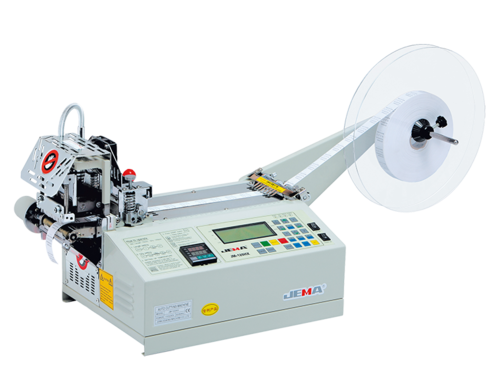
The JM-120HX Computerized Tape Cutting Machine (Bevel / Right Angle) is a good fit when straight cu...
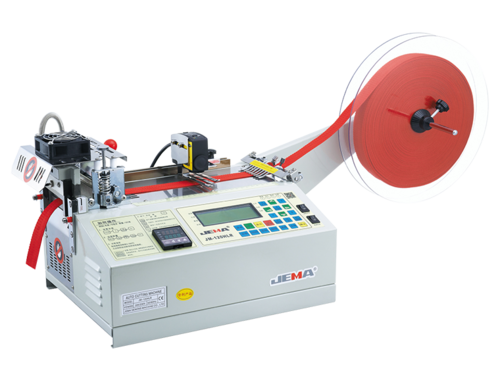
Fully automatic cutting, simple operation, wide application range and high cutting quality. ...
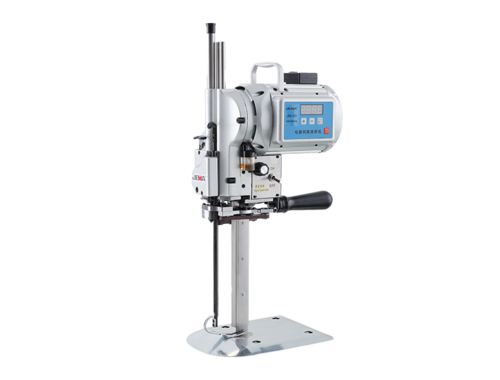
Features The JM-3D/3/103 electric cutting machine is compatible with KMCK8-EU Eastman Ele...
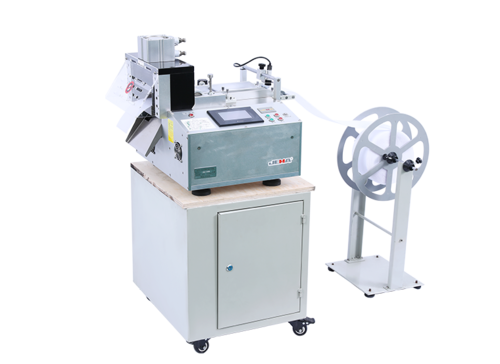
Features High speed: 120 pieces can be cut per minute. (Take 50mm length as an example) Hig...

25 Years specializing in the production of various cutting machines.
©2021 Taizhou JEMA Sewing Machine Co., Ltd. Custom Elastic Tape Cutting Machine Manufacturers


 +86-576-88177528
 +86-576-88172167

 367# Guangxing Road, Xiachen Street, Jiaojiang District, Taizhou City, China.