

 EN
 英语
 中文简体
 西班牙语
 越南语
 葡萄牙语
 土耳其语
Computerized tape cutting machine (cold knife) JM-130L
Fully automatic cutting, simple operation, wide application range and high cutting quality. ...
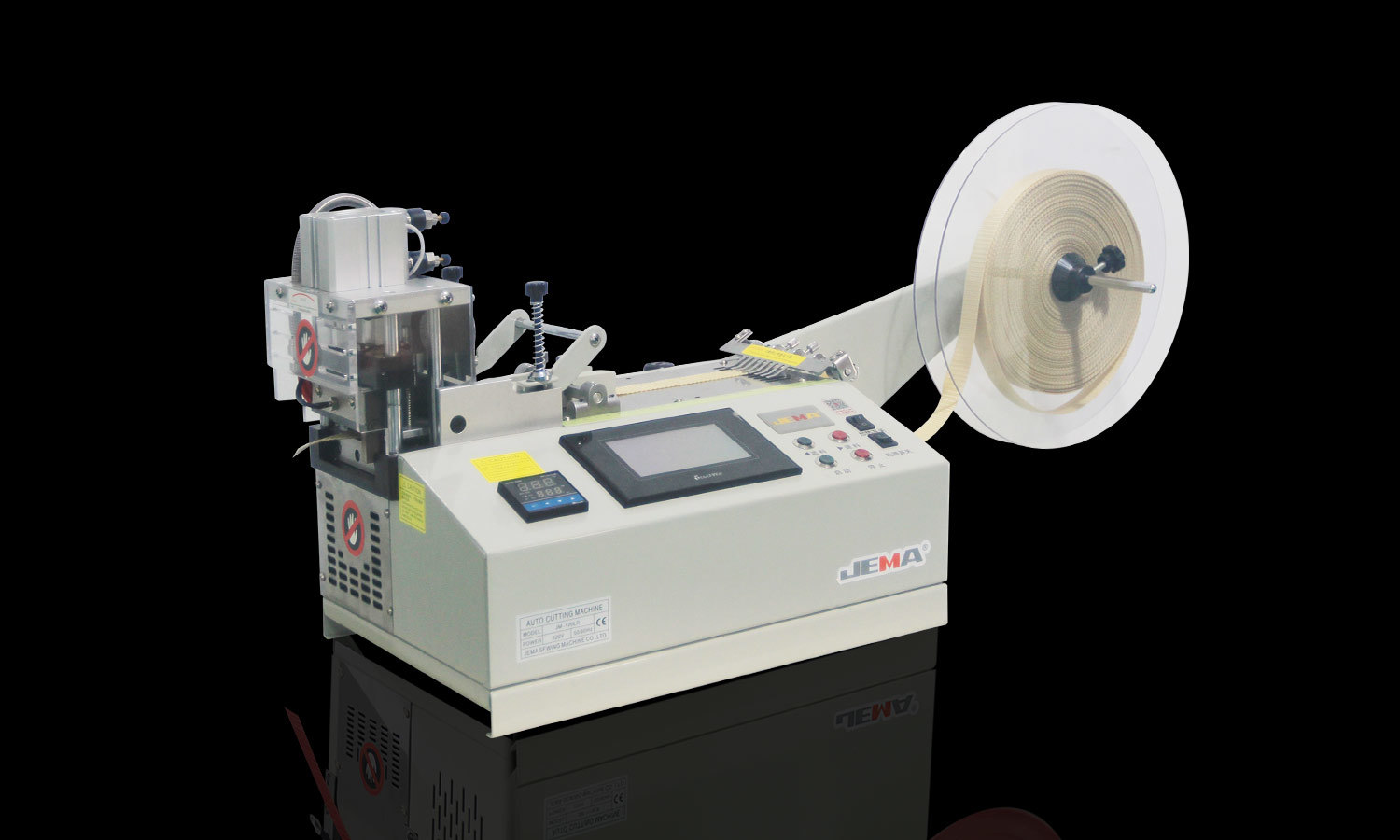
Mechanical Cutting Machine is a staple of manufacturing, metal processing, construction and other industrial fields. It turns raw materials into parts with set shapes and dimensions, whether that means cutting metal sheets or preparing machine components. How well it's done bears directly on product quality and production efficiency.
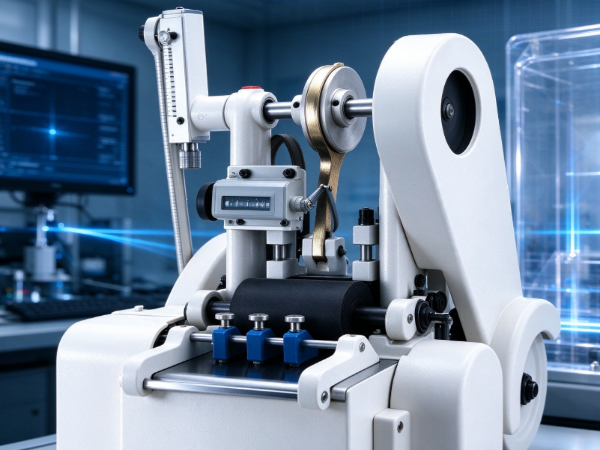
Cutting doesn't always deliver what's expected. Edges turn uneven, cut lines drift, surfaces pick up unwanted marks, or finished parts miss their intended dimensions. These problems are usually called cutting errors. They show up on many kinds of mechanical cutting equipment, and often several factors combine to cause them.
Manufacturers benefit from knowing what's behind these errors. It helps operators spot problems during production, handle equipment better and waste less material. It also makes manufacturing more consistent. Some errors trace back to machine condition, while others come from material properties, tool selection, workpiece positioning or operator habits.
A cutting error is a gap between the intended cutting result and the actual state of the finished workpiece. The gap may affect dimensions, shape, edge quality or surface appearance. Some errors are obvious. Others only come to light during inspection or assembly.
Dimensional errors are among the common. A cut piece may come out longer, shorter, wider or narrower than required. Even a small difference causes trouble when the part has to fit with other components. Where several parts are assembled together, consistent dimensions keep the product compatible.
Geometric errors change the shape or direction of the cut. A straight line may turn angled, curved or uneven. This can happen when the workpiece moves during cutting or when the machine can't hold a stable cutting path.
Edge defects are another frequent form. The cut surface may have burrs, rough areas, dents or irregular marks. They spoil the look of a component and may call for extra finishing work.
Material deformation causes errors too. Heat, pressure or unsuitable cutting conditions can make a workpiece bend, twist or change shape. That matters most with materials sensitive to mechanical force or temperature changes.
Not every error has the same cause. A dimensional difference may come from incorrect positioning, while a rough edge may relate to the tool or the material's condition. Identifying the type of error is a good first step toward finding its source.
A cutting machine's condition has a direct effect on how stable the cutting process is. Moving parts, supporting structures and cutting components all need to work together. When one part wears, loosens or drifts out of adjustment, results get less consistent.
Vibration is a common culprit. A machine that moves too much during operation can leave uneven edges or inconsistent cutting paths. Loose components, an unstable installation surface, worn mechanical parts or an imbalance in the moving system can all cause it.
The machine frame matters as well. A stable structure supports the workpiece and the tool during operation. If the frame is damaged or its components are misaligned, the cutting position can shift under load.
Mechanical wear brings gradual changes that aren't always visible. Moving parts can develop excessive clearance after long use, which affects the movement of the cutting head or the position of the workpiece. Operators may find the machine giving inconsistent results even though the procedure hasn't changed.
Positioning and control components are another concern. If the system doesn't move along the intended path, the finished part can show dimensional or shape differences. Wear, adjustment problems or too little inspection may be the reason.
Regular maintenance lowers these risks. Cleaning, checking connections, inspecting moving parts and following the manufacturer's maintenance guidance help keep equipment in good working condition. Maintenance shouldn't stop at repairing visible damage. Routine inspection can reveal early signs of wear before they affect many workpieces.
The cutting tool does the actual separating of material. Its condition, shape and fit for the material all influence the finished edge. A worn, damaged or unsuitable tool can cause cutting errors even when the machine runs normally.
Wear is a natural result of repeated use. As the cutting edge slowly loses its shape, it separates material less effectively. That raises resistance during cutting and can leave rough edges, burrs or irregular surfaces.
A damaged edge causes more noticeable problems. Small chips, cracks or uneven wear change how the tool meets the workpiece, and the cut may show marks or differences that repeat along its path.
Tool selection matters too. Different materials need different cutting approaches, and a tool made for one material may perform poorly on another. Consider material hardness, thickness, structure and surface condition when choosing a tool.
Installation also affects the result. A tool that isn't secured correctly can shift during operation, and an incorrectly installed one can contact the workpiece unevenly.
Follow the equipment and tool manufacturer's recommendations for tool maintenance. Operators should inspect cutting edges, look for visible damage and replace tools once their condition no longer supports the work. Running a damaged tool can multiply production problems and put extra strain on the machine.
A workpiece has to stay stable throughout the cut. If it moves, slips or sits out of alignment, the cutting path no longer matches the intended position. The result can be inaccurate dimensions, angled edges or inconsistent shapes.
Incorrect positioning can start before the machine does. If the material isn't placed against the correct reference point, the cutting line is already off. Even if the machine follows its programmed or adjusted path perfectly, the finished piece may miss the required dimensions.
Clamping is another key factor. The workpiece needs enough support to resist movement under cutting force. A loose clamp lets the material shift during operation. Too much clamping force causes problems as well, especially with thin or flexible materials that bend under pressure.
Material shape can complicate positioning. Large sheets, long sections, curved components and irregular workpieces may need different support arrangements. Any unsupported part of the material can move or vibrate during cutting.
Preparation deserves attention too. Dust, oil, surface debris or uneven edges can interfere with positioning. A workpiece that doesn't sit flat will cut differently from one that's properly supported.
Operators should check the material's position before starting the machine. They should also confirm that the clamping system suits the workpiece and that the material stays stable throughout. These basic checks can prevent errors that might otherwise be blamed on the machine.
Materials don't all respond to cutting the same way. Their physical properties determine how they behave under pressure, friction and temperature change. A method that works for one material can cause problems with another.
Hardness is one factor. Hard materials may need a suitable tool and operating approach. With the wrong tool, cutting resistance rises, which causes tool wear or an uneven edge.
Soft materials pose different challenges. They can deform under pressure, stretch during cutting or stick to the tool, making a clean cutting line hard to keep.
Thickness changes cutting conditions as well. Thick materials may need more cutting force, while thin ones are more likely to bend or vibrate. Without suitable support, the workpiece can move away from its intended position.
Internal differences add difficulty. Some materials contain areas of different hardness or structure. These variations affect how the tool moves through the workpiece and can change edge quality.
Don't overlook surface condition. Rust, coatings, dirt and other irregularities can affect tool contact. Sometimes the surface also makes accurate positioning harder.
Manufacturers should understand a material's characteristics before choosing a cutting method. Material information, sample testing and production inspection help reveal potential issues, which is especially useful when a new material enters an existing process.
Even with the machine and tool in good shape, operating practices can still change the result. Mechanical cutting needs consistent handling and attention to the process. Small mistakes can create repeated defects or sudden drops in cutting quality.
An unsuitable cutting speed changes how the tool interacts with the material. If the process runs too fast for the material and tool combination, the cut may come out rough or incomplete. If it runs too slow, extra friction or heat can build up in some applications.
The cutting path also has to match the workpiece requirements. Wrong settings or an unsuitable starting position can send the machine along the wrong path, leading to repeated dimensional errors across many pieces.
Inconsistent methods create variation between operators or shifts. Different habits in positioning, clamping or checking the material, for example, lead to different results. Clear operating procedures reduce those differences.
Skipping inspection is another source of trouble. If the first workpiece isn't checked, an incorrect setting can carry on through production, and many defective parts may pile up before anyone notices.
Training plays a big part in cutting operator-related errors. Operators should understand the machine's functions, safety requirements, material handling methods and basic signs of cutting problems. They should also know when to stop and report an unusual condition instead of attempting an adjustment without proper guidance.
A consistent routine makes cutting work more predictable. It should include checking the workpiece, confirming machine settings, inspecting the tool and reviewing the finished edge.
Finding the source of a cutting error takes more than studying the finished workpiece. Manufacturers should look at the machine, tool, material, positioning method and operating procedure together. That makes it easier to tell a single equipment fault from a problem in the overall process.
A practical inspection can start from the type of defect.
| Cutting Problem | Possible Cause | Inspection Focus |
|---|---|---|
| Incorrect dimensions | Positioning errors or unsuitable machine settings | Reference points and workpiece measurements |
| Uneven cutting edges | Tool wear or unstable cutting conditions | Cutting tool condition and machine movement |
| Angled cutting lines | Incorrect alignment or workpiece movement | Machine alignment and clamping |
| Burrs or rough surfaces | Tool condition or material characteristics | Tool edge and material suitability |
| Workpiece deformation | Excessive pressure or heat | Support arrangement and cutting method |
| Repeated inconsistent results | Machine wear or changing operating practices | Equipment condition and production procedures |
Treat this table as a starting point, not a fixed diagnosis. One defect can have several possible causes. Manufacturers should inspect the real working conditions before deciding which adjustment is needed.
Checking the first finished workpiece catches problems early. If the result doesn't match requirements, review production settings and material positioning before continuing. This simple step can cut the number of defective pieces in a longer run.
Inspection records help reveal repeated patterns too. If similar errors appear in particular operations, material batches or machine setups, manufacturers may find a common cause. Records matter most when several machines or operators are involved.
Preventive maintenance is another pillar of error reduction. Regular inspections can reveal worn tools, loose components and alignment problems, and a planned routine makes equipment condition easier to track.
Avoid making several adjustments at once without checking their effects. Changing one relevant factor at a time makes it easier to see whether the cutting result has improved.
Cutting errors aren't only a quality concern. Some problems can point to unsafe operating conditions. Unusual vibration, tool damage, unstable workpieces or unexpected machine movement all raise accident risk.
Never ignore a damaged cutting tool. It may break during operation or throw off loose fragments. Operators should follow the machine manufacturer's instructions when inspecting, replacing or handling cutting components.
An unstable workpiece creates safety risks as well. If the material moves unexpectedly, it can disturb the cutting path or touch machine components in unintended ways. Proper support and clamping matter for operator safety as much as for product accuracy.
Operators should never try to remove trapped material or adjust moving components while the machine is running, unless the equipment is specifically designed for that. Stop the machine and isolate it according to the relevant safety instructions before inspection or maintenance.
Protective equipment and machine guards should stay in place during normal operation. Operators should also follow workplace safety procedures and be trained in emergency stops, safe material handling and equipment inspection.
When a cutting error appears alongside unusual noise, vibration, heat or movement, stop the process and inspect. Pressing on without knowing the cause can lead to more equipment damage or a hazardous working condition.
Clear communication among operators, maintenance staff and production supervisors makes sure cutting problems get reported and handled properly. Treat a defect as useful information about the process, not just a reason to discard a workpiece.
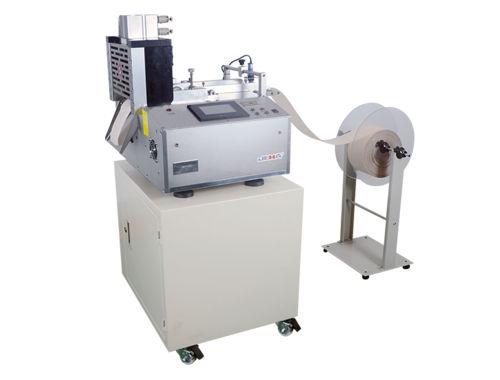
Fully automatic cutting, simple operation, wide application range and high cutting quality. ...

Fully automatic cutting, simple operation, wide application range, high cutting quality, smooth c...

The JM-150L Multifunctional Computerized Tape Cutting Machine (Cold Knife) is built for cutting jobs...
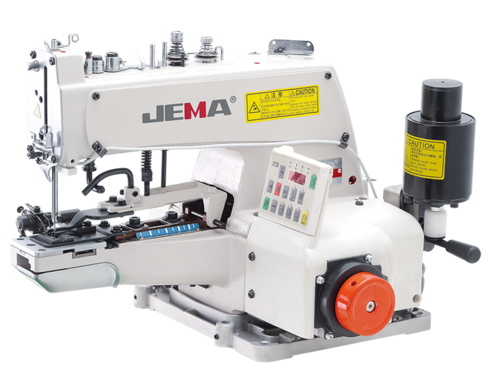
Features It is mainly used for sewing flat buttons with two holes or four holes. If attac...

25 Years specializing in the production of various cutting machines.
©2021 Taizhou JEMA Sewing Machine Co., Ltd. Custom Elastic Tape Cutting Machine Manufacturers


 +86-576-88177528
 +86-576-88172167

 367# Guangxing Road, Xiachen Street, Jiaojiang District, Taizhou City, China.