

 EN
EN  英语
英语 中文简体
中文简体 西班牙语
西班牙语 越南语
越南语 葡萄牙语
葡萄牙语 土耳其语
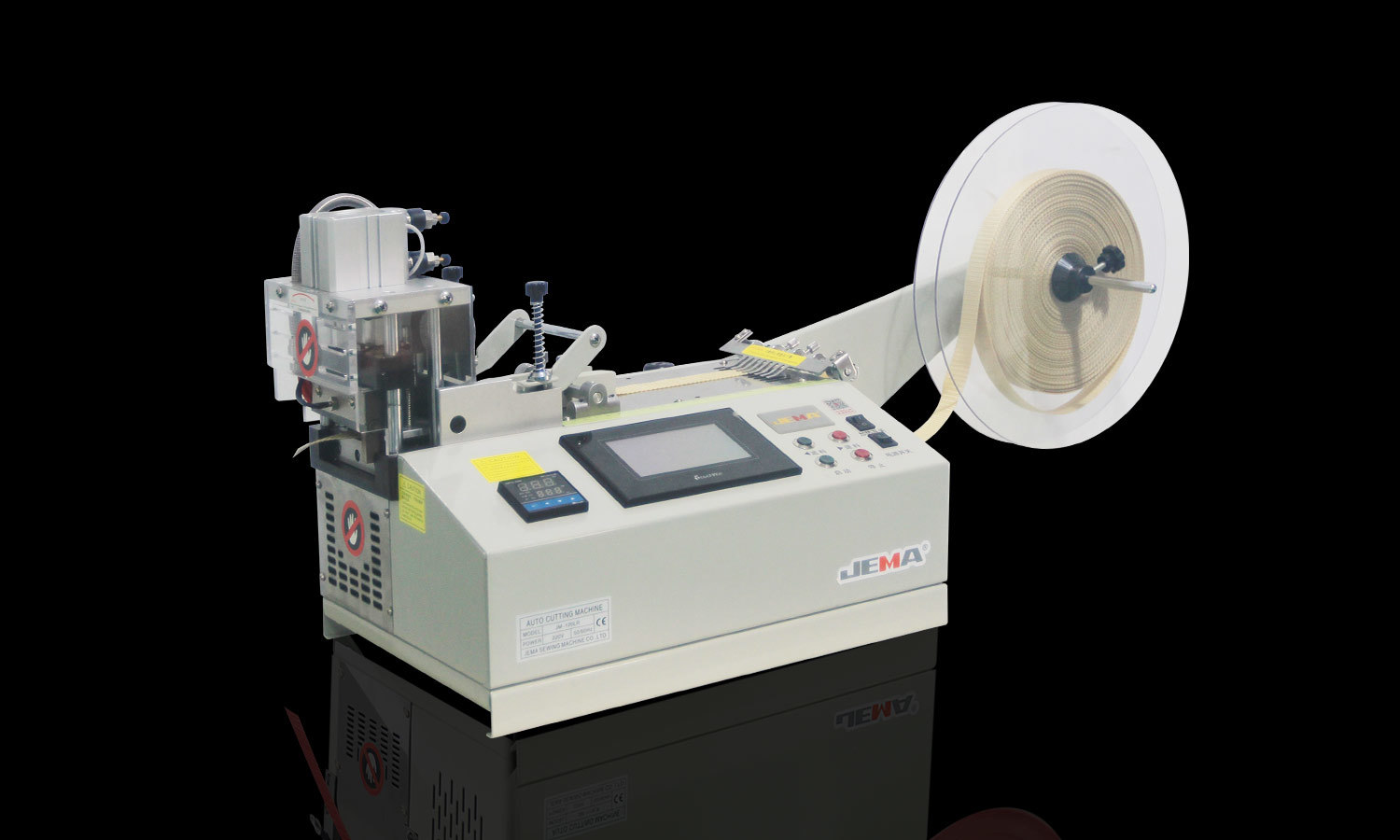
土耳其语Computerized tape cutting machine (rounded corners) JM-110R
Fully automatic cutting, simple operation, wide application range and high cutting quality. Can c...
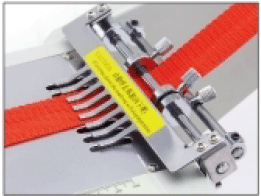
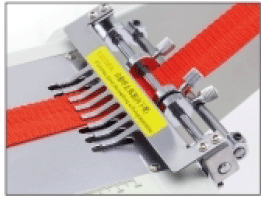
Elastic Cutting has emerged as a versatile method for processing flexible and composite materials. One of the key challenges in using this technique is preventing material deformation or stretching during the cutting process. Maintaining dimensional accuracy and surface quality requires careful control of cutting parameters, proper equipment setup, and suitable material handling strategies. Understanding these factors allows manufacturers to optimize performance and reduce defects.
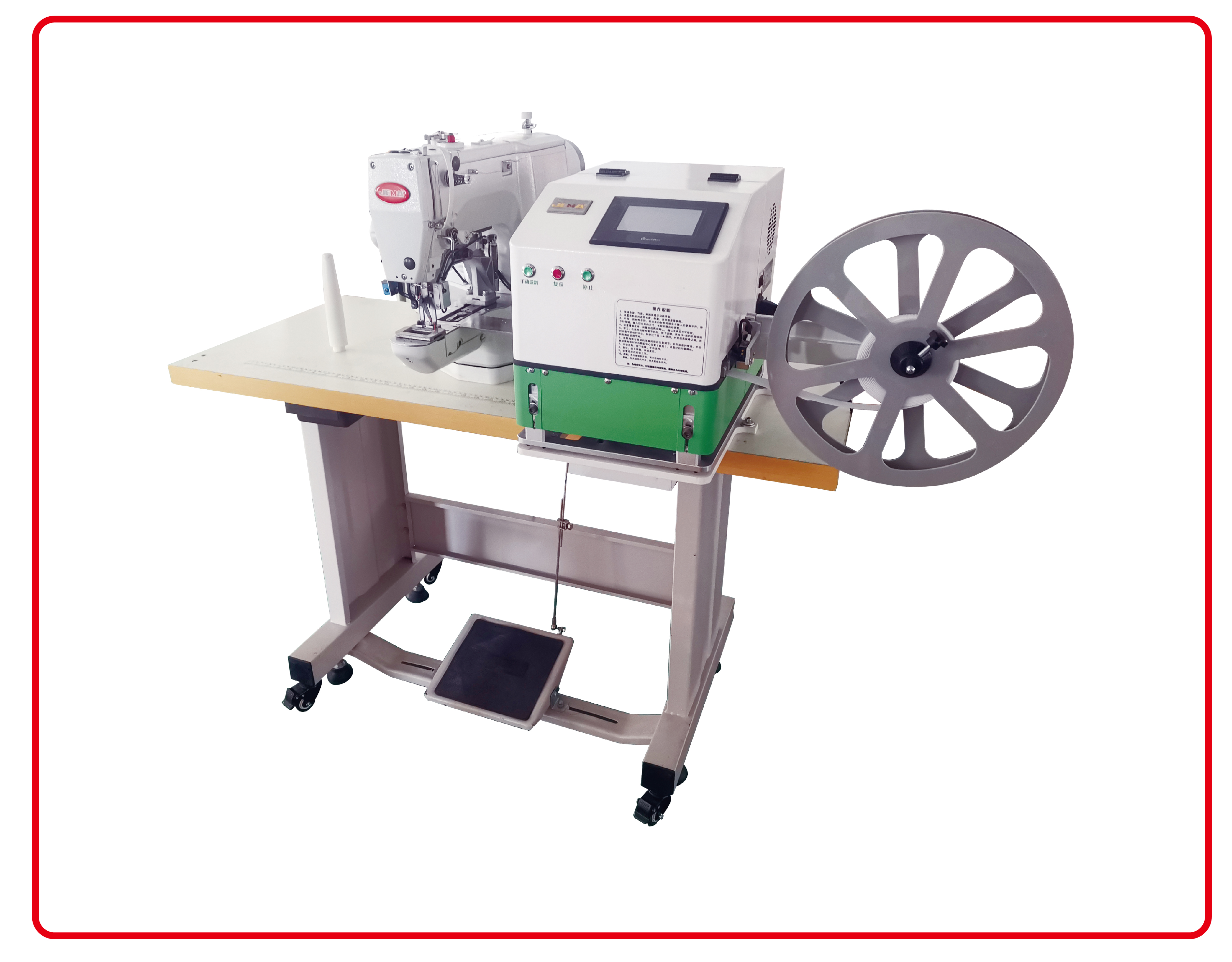
Material deformation during Elastic Cutting can occur due to several factors:
Choosing the right cutting tool is critical to reducing material deformation:
Proper material handling techniques are essential in reducing stretching or distortion:
Adjusting process parameters directly impacts the likelihood of deformation:
Real-time monitoring helps detect potential deformation issues during Elastic Cutting:
Preventing material deformation is especially important in high-precision industries:
Preventing material deformation or stretching during Elastic Cutting requires a combination of proper tool selection, careful material handling, optimized process parameters, and monitoring systems. By addressing mechanical stress, controlling tension, and adjusting cutting conditions, manufacturers can achieve precise, consistent results while preserving the integrity of the material. Implementing these strategies enhances the quality, efficiency, and reliability of the cutting process, ensuring that Elastic Cutting remains a viable method for flexible and composite materials.
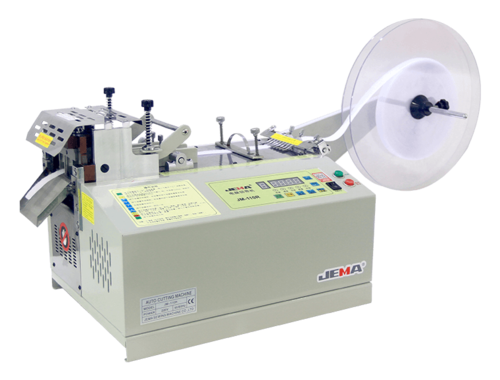
Fully automatic cutting, simple operation, wide application range and high cutting quality. Can c...
.png?imageView2/2/w/500/h/500/format/jp2/q/100 "Computer tape cutting machine hot cutting knife (corner) JM-120HX")
Fully automatic cutting, simple operation, wide application range, high cutting quality, cold and...
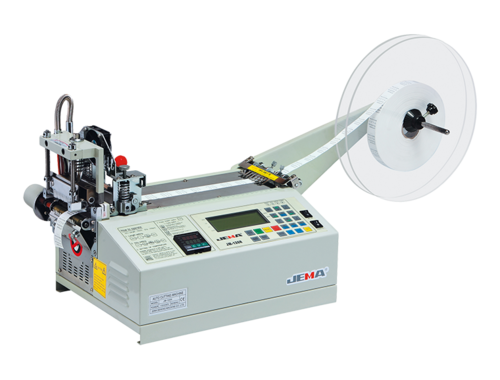
The JM-120H Computer Tape Cutting Machine (Hot Knife) is the kind of machine that makes repeat cutti...
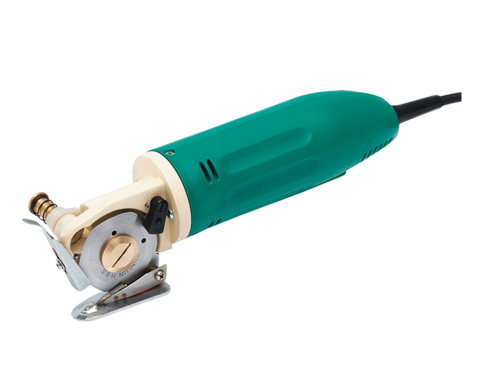
Features JM-6070 micro cutting machine is suitable for cutting curves, small arcs and sma...

25 Years specializing in the production of various cutting machines.
©2021 Taizhou JEMA Sewing Machine Co., Ltd. Custom Elastic Tape Cutting Machine Manufacturers


 +86-576-88177528
 +86-576-88172167
 367# Guangxing Road, Xiachen Street, Jiaojiang District, Taizhou City, China.