

 EN
EN  英语
英语 中文简体
中文简体 西班牙语
西班牙语 越南语
越南语 葡萄牙语
葡萄牙语 土耳其语
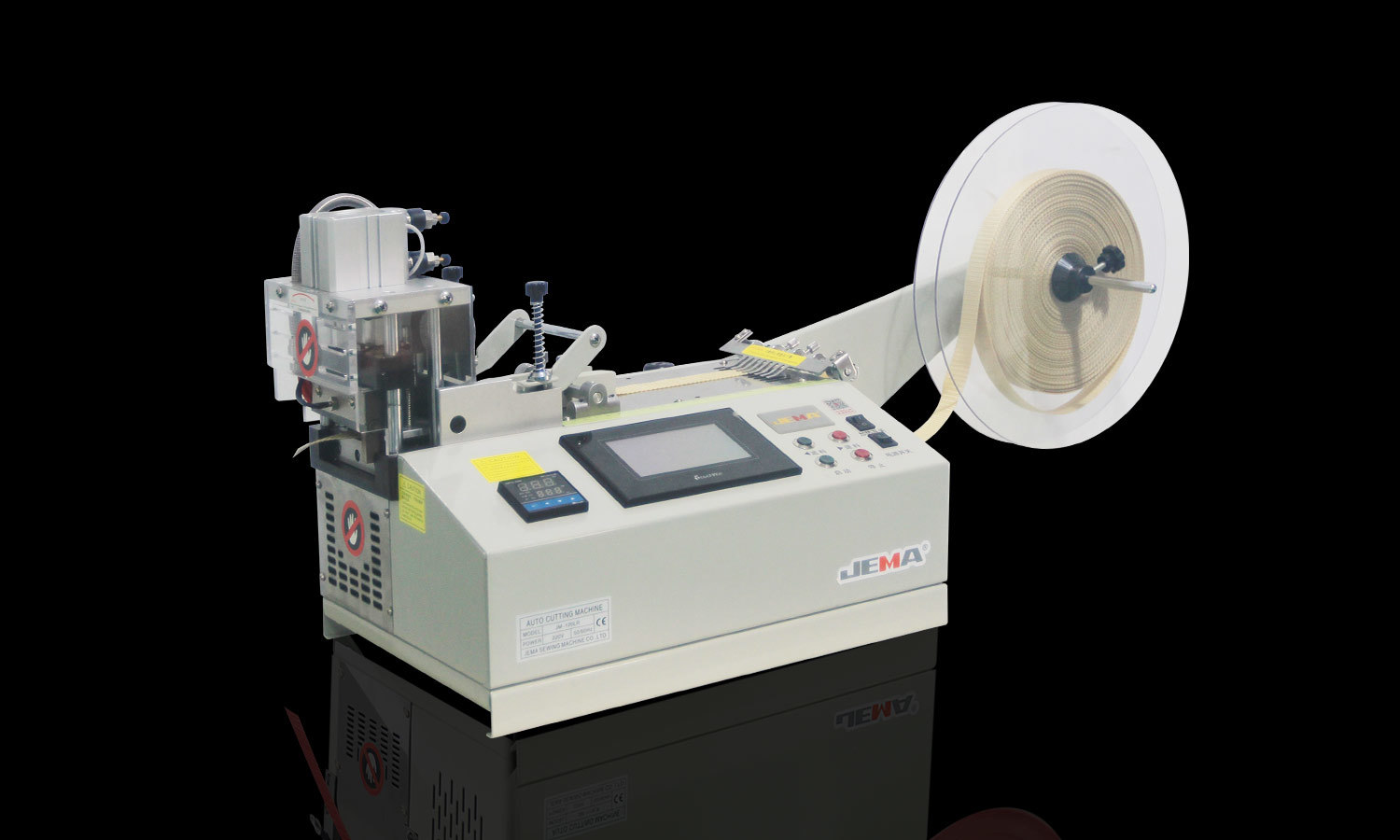
土耳其语Computer tape cutting machine (cold, hot infrared) JM-120HLR
The JM-120HLR Computer Tape Cutting Machine (Cold, Hot Knife and Infrared) gives you a bit more room...
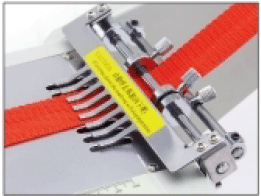
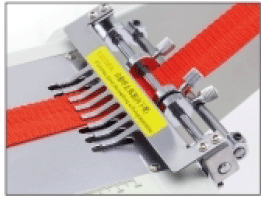
Elastic Cutting has gained attention in modern manufacturing for its ability to handle delicate and complex materials. One key question is whether this technology is suitable for flexible composite materials, which combine the properties of flexibility and high strength. Understanding the interaction between the cutting method and the unique characteristics of these composites is critical for achieving precise, high-quality results.
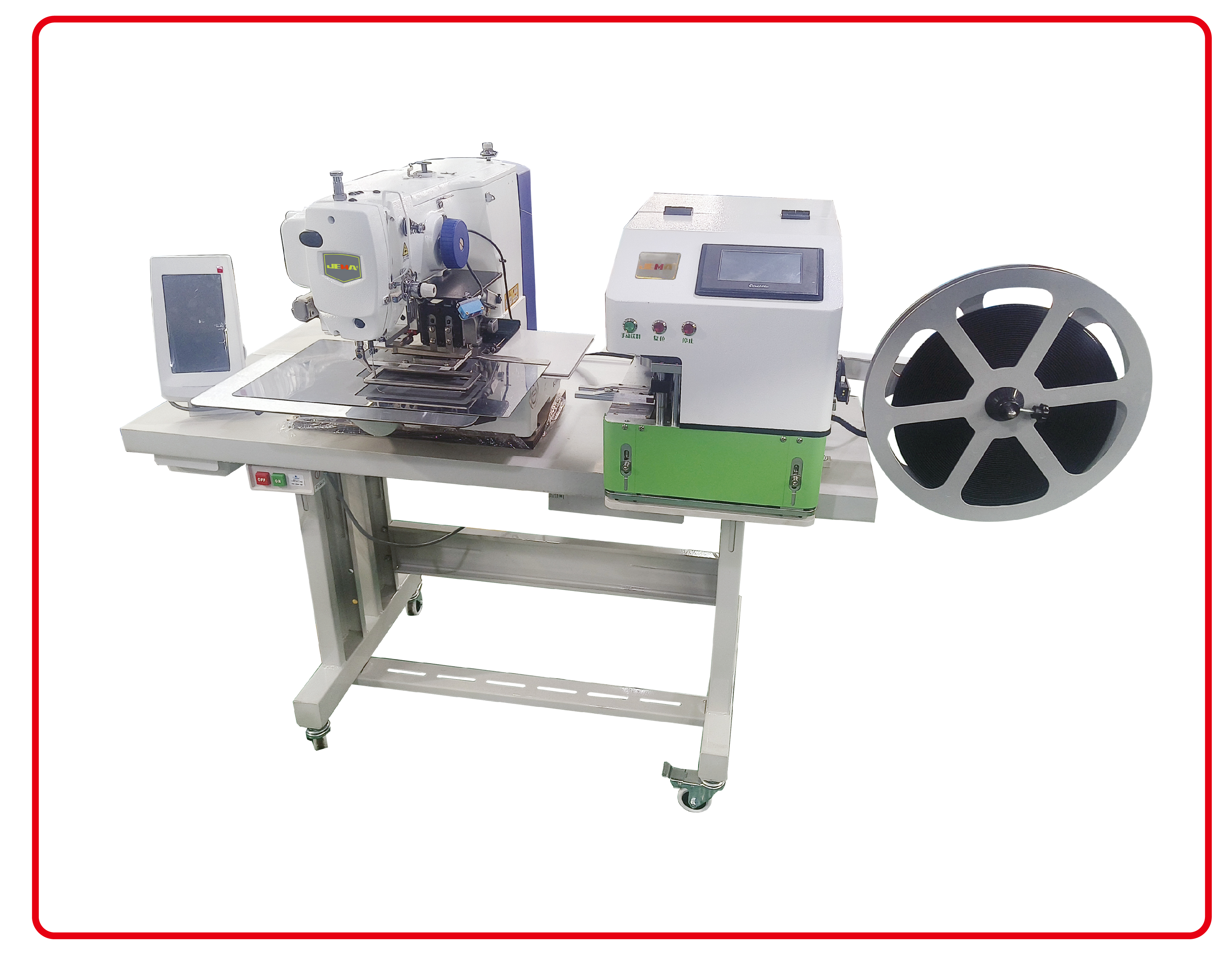
Flexible composite materials present unique challenges due to their combination of layers, fibers, and flexible matrices.
Elastic Cutting offers several advantages when applied to flexible composites.
Despite its advantages, elastic cutting also presents some challenges when applied to flexible composite materials.
To improve the effectiveness of elastic cutting for flexible composites, several strategies can be employed.
Elastic cutting is increasingly applied in industries where flexible composites are common.
Elastic cutting can be highly suitable for flexible composite materials if proper optimization strategies are applied. Its ability to reduce stress, reduce delamination, and maintain precision makes it advantageous for complex geometries. However, challenges such as equipment calibration, edge quality, and speed management must be addressed to ensure consistent results. By carefully adjusting process parameters, selecting appropriate blades, and monitoring material response, manufacturers can achieve high-quality cuts that preserve the structural and functional integrity of flexible composites.
.png?imageView2/2/w/500/h/500/format/jp2/q/100 "Computer tape cutting machine (cold, hot infrared) JM-120HLR")
The JM-120HLR Computer Tape Cutting Machine (Cold, Hot Knife and Infrared) gives you a bit more room...
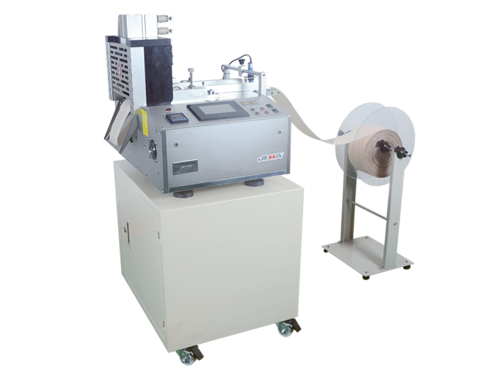
Fully automatic cutting, simple operation, wide application range, high cutting quality, cold and...
.png?imageView2/2/w/500/h/500/format/jp2/q/100 "Multifunctional computerized tape cutting machine (cold knife) JM-150L")
The JM-150L Multifunctional Computerized Tape Cutting Machine (Cold Knife) is built for cutting jobs...
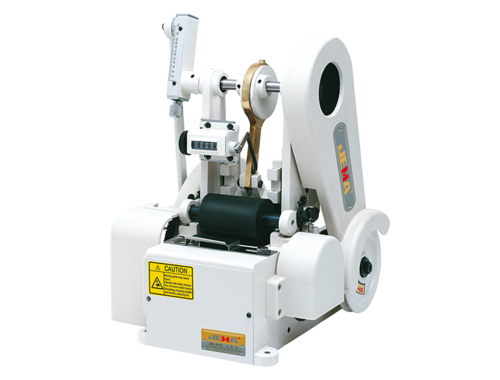
Features Shapes such as rounded corners, ellipses, full circles, etc. can be cut off. It ...

25 Years specializing in the production of various cutting machines.
©2021 Taizhou JEMA Sewing Machine Co., Ltd. Custom Elastic Tape Cutting Machine Manufacturers


 +86-576-88177528
 +86-576-88172167
 367# Guangxing Road, Xiachen Street, Jiaojiang District, Taizhou City, China.